
Last updated November 23, 2026
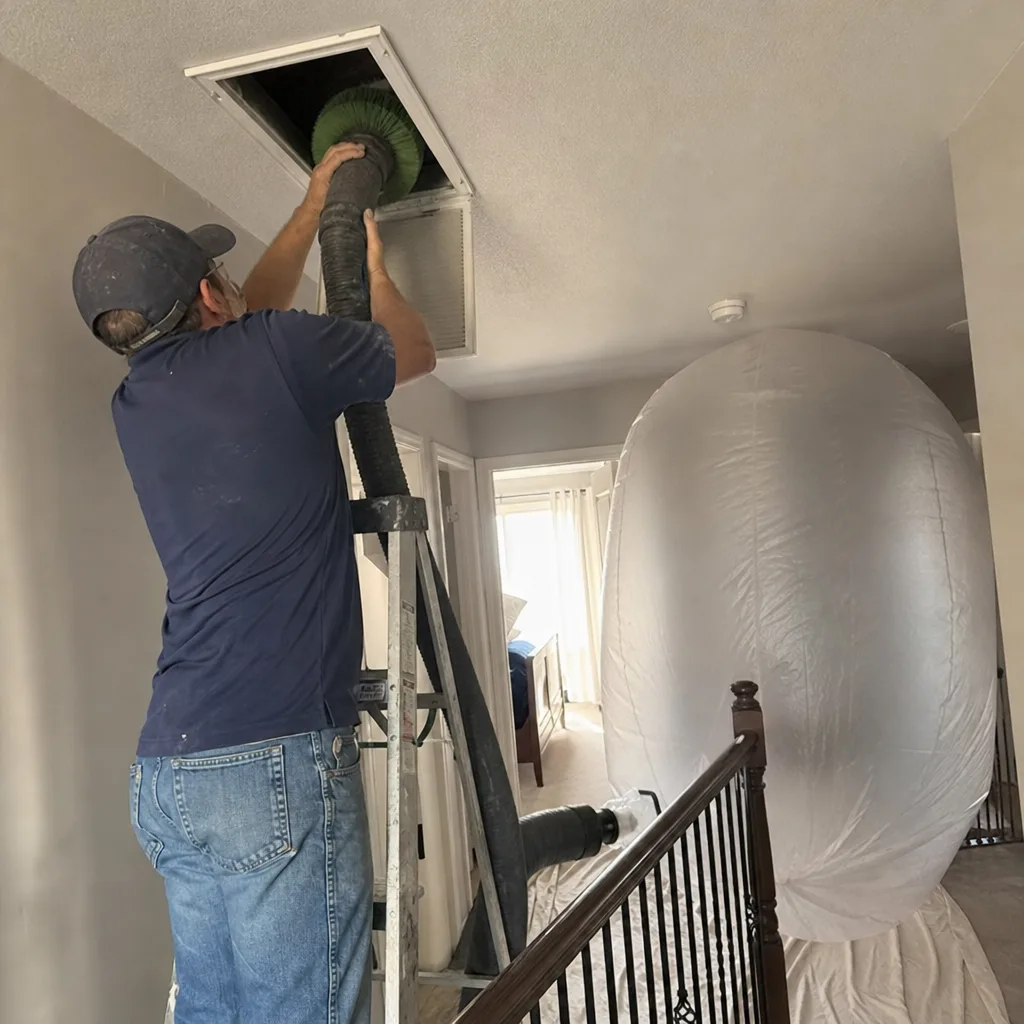
 Whole-home duct cleaning
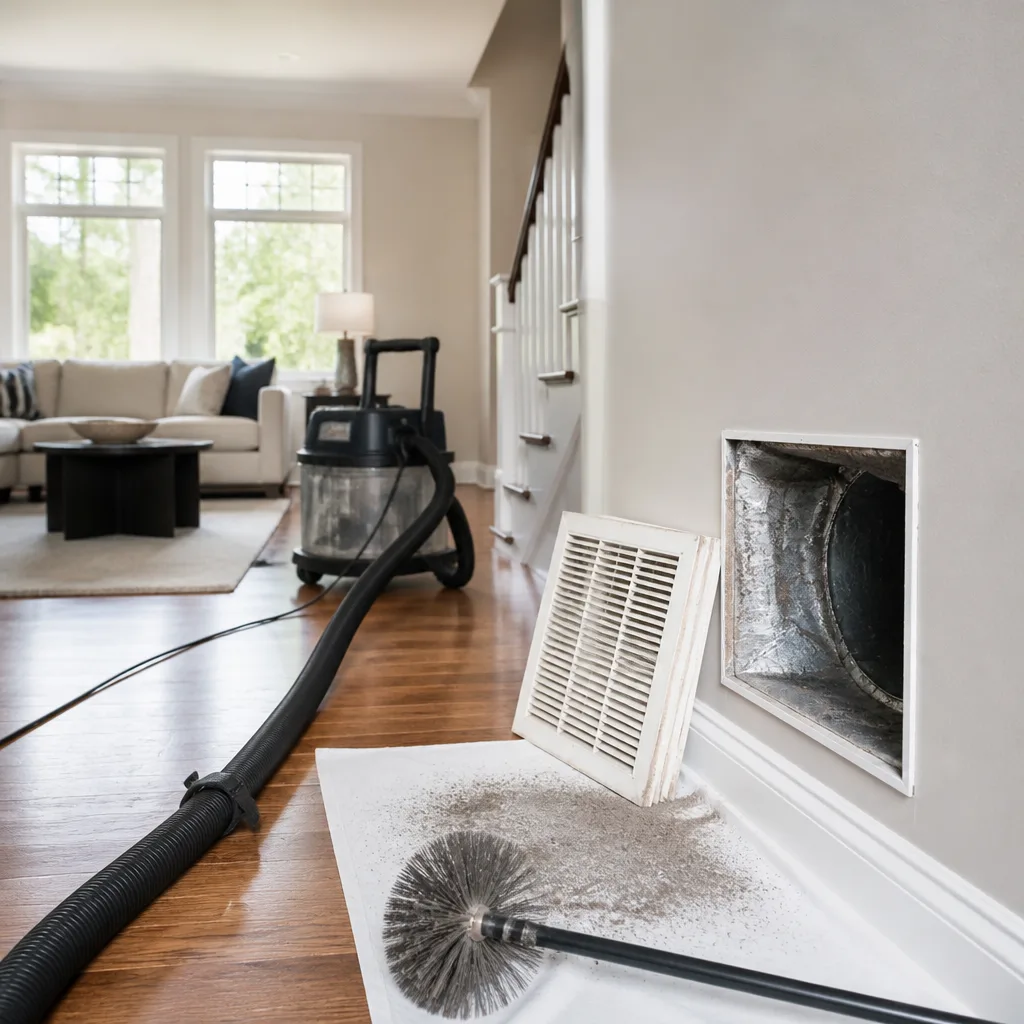
 Dryer vent cleaning
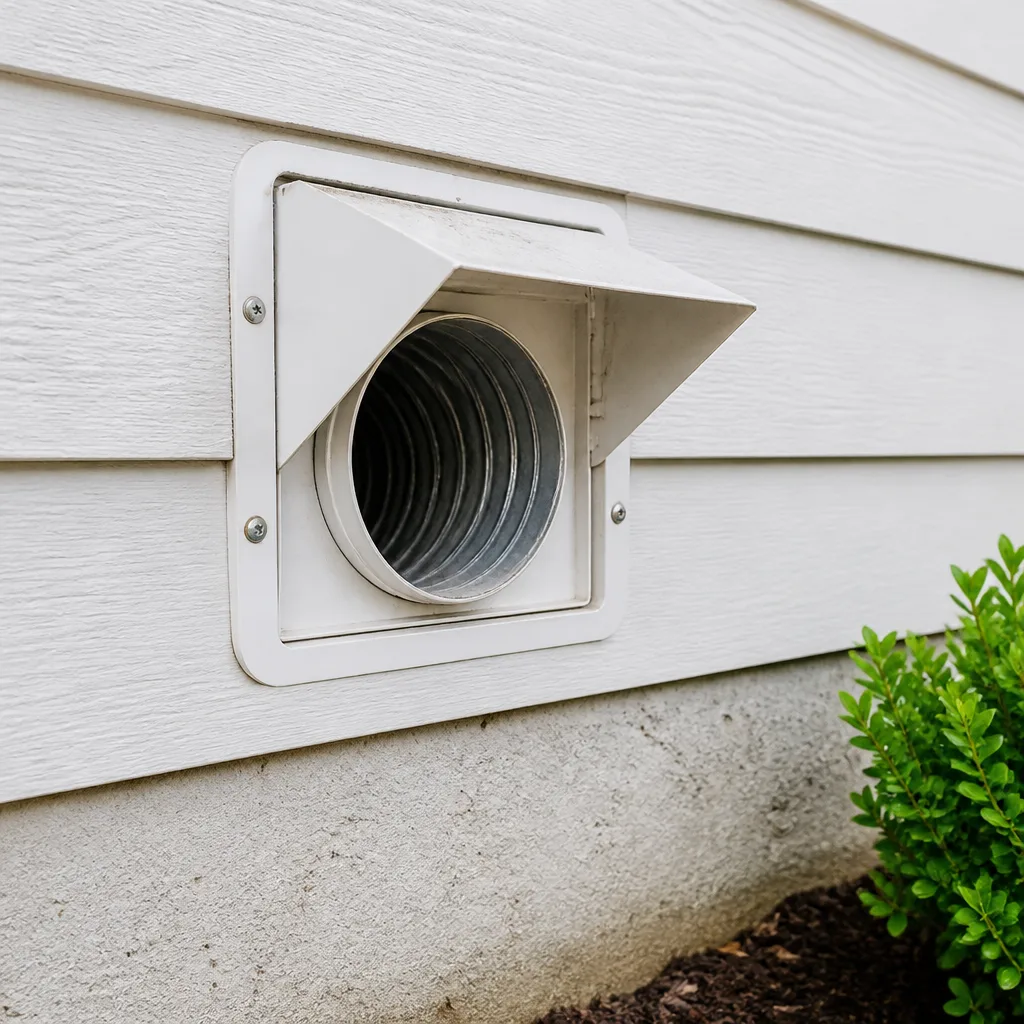
 Camera inspection
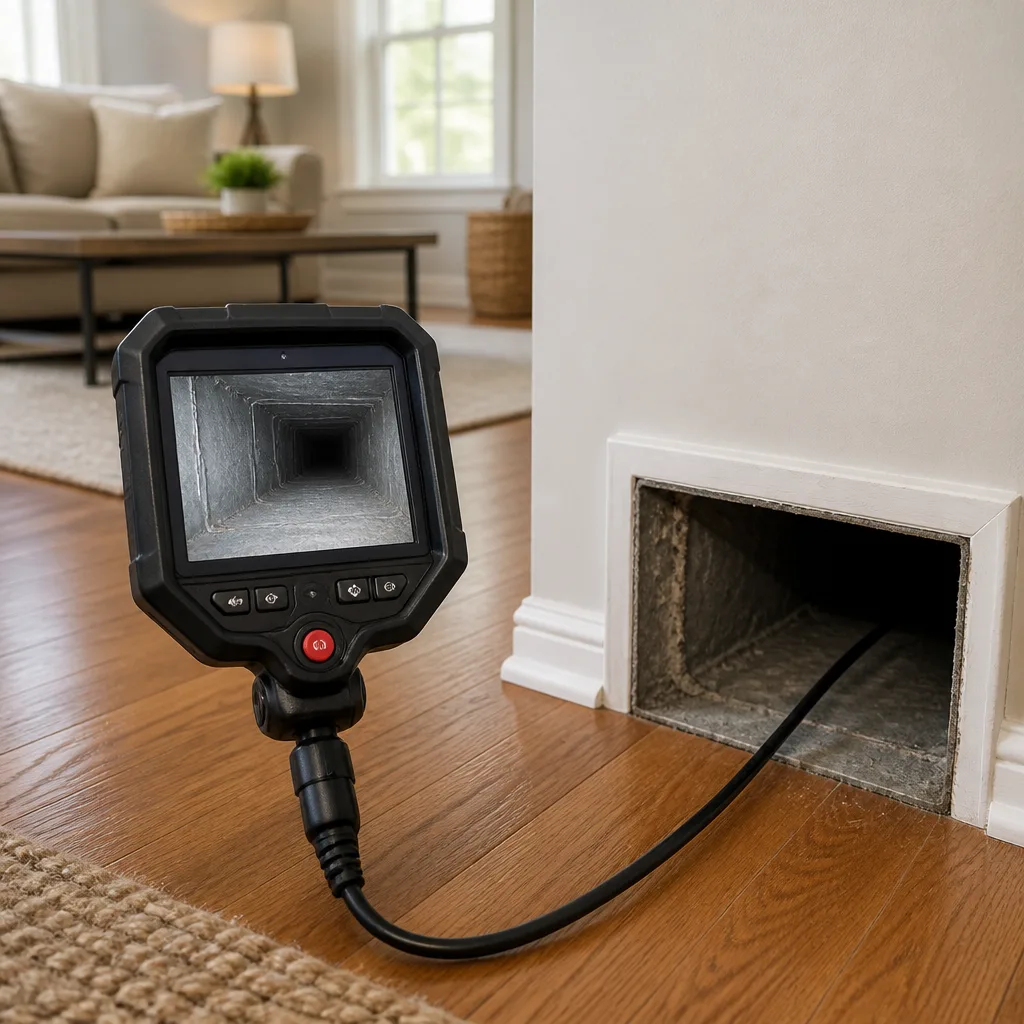
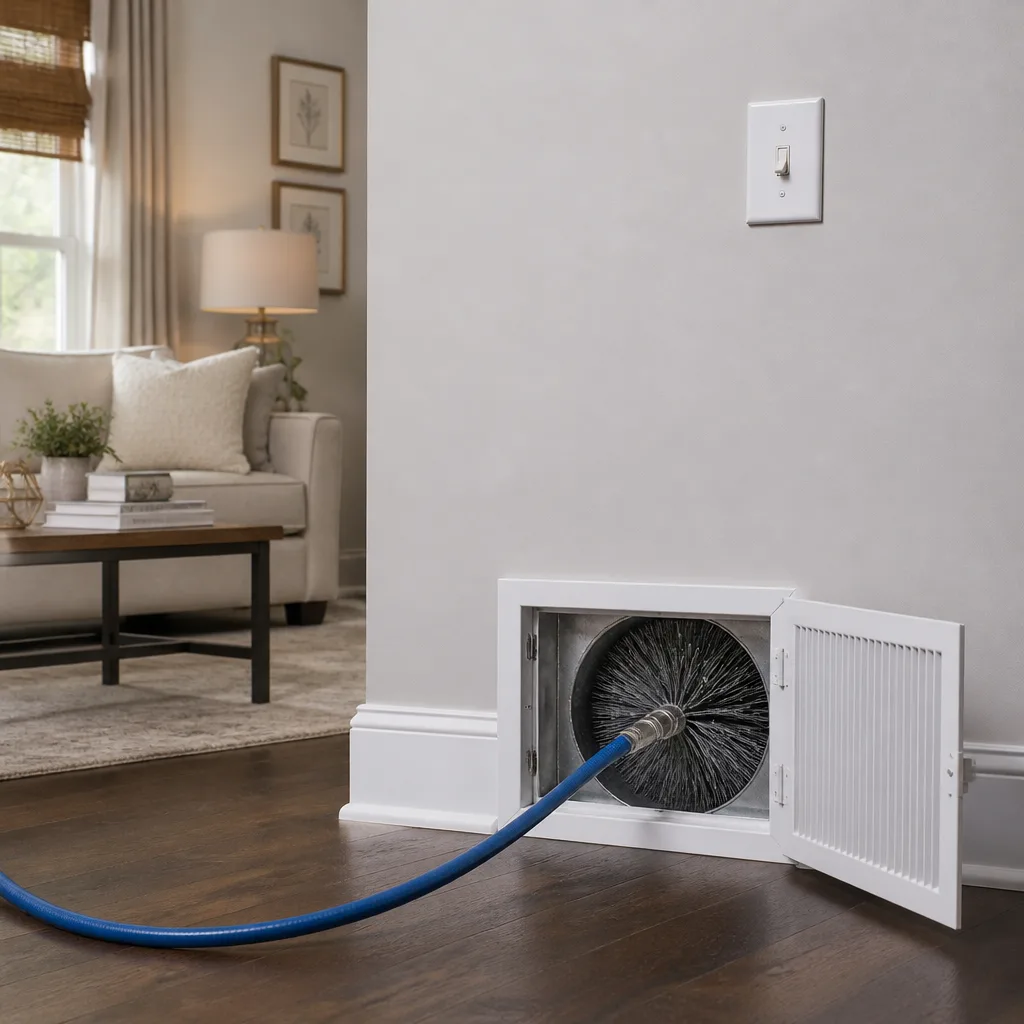 Sanitizing & deodorizing
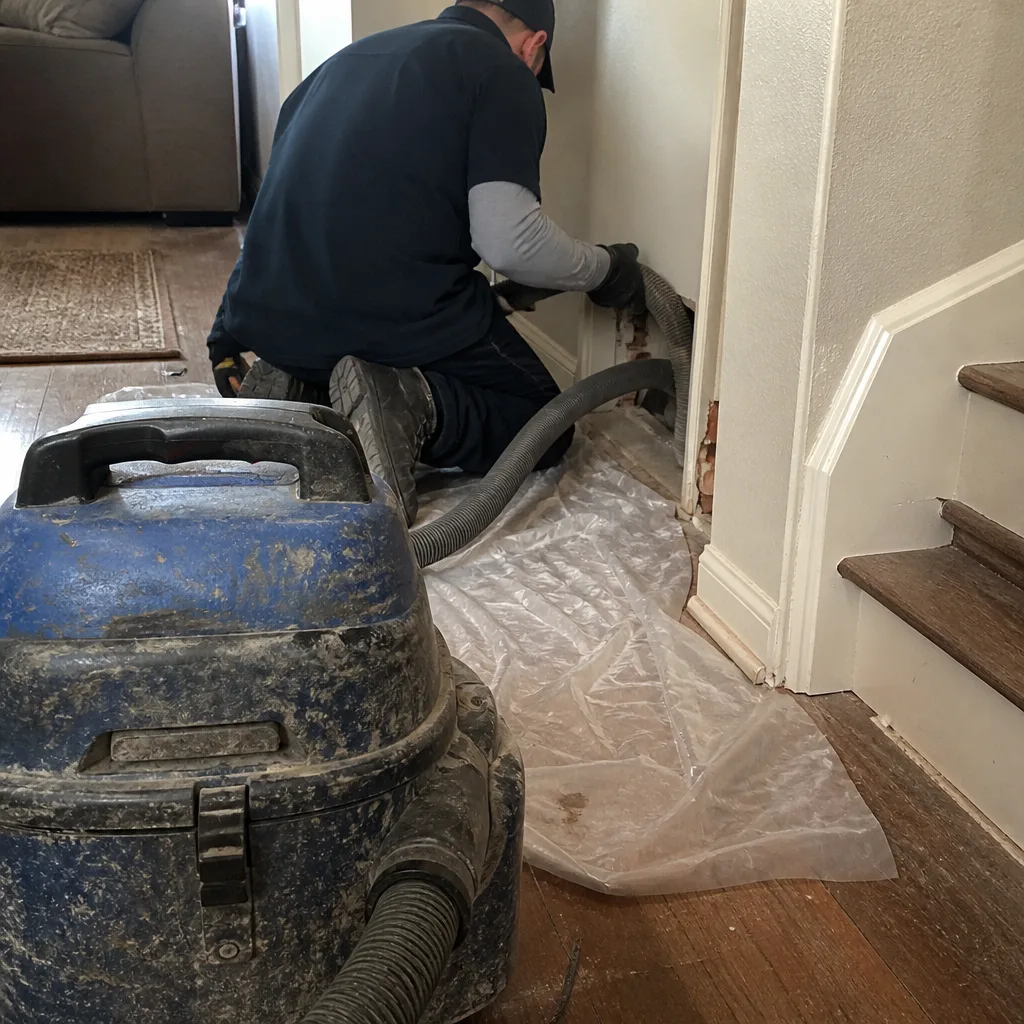
Whole-system duct and dryer vent check with before-and-after photos - you see exactly what came out of your vents
That "$99 whole-house special" is a bait ad - the real number appears once they are in your hallway, or the "clean" is a shop-vac at the register. We photograph the inside of your ducts before and after instead.
Air Duct Cleaning Maintenance Checklist for Highlands Ranch Homeowners
A filter that lasts 90 days in Portland may need replacing in 45 days in Highlands Ranch. That surprises people. The combination of high-traffic new construction neighborhoods, Colorado’s wind-driven dust, and long dry heating cycles loads filters faster than the generic maintenance cards tucked inside most HVAC cabinets assume. National checklists aren’t wrong, they’re just written for some average house in some average climate. Highlands Ranch isn’t average. What follows is a month-by-month maintenance calendar built around this area’s actual wear points, guidance on filter ratings for homes with pets or open-space trail access, and the checklist items that go past the vents to the parts of your system most homeowners never look at.
Quick Answer
A practical air duct maintenance checklist in Highlands Ranch follows the climate: inspect and replace filters every 45 to 60 days during spring wind season and winter heating, watch for smoke infiltration during summer wildfire windows, and schedule a full professional duct and HVAC cleaning every two to three years, or sooner after renovation, pet addition, or a neglected system. Between professional visits, check the air handler connections, condensate drain, and static pressure yourself once a season. Everything else needs a technician.
Styles & brands we work with
- Whole-home duct cleaning
- Dryer vent cleaning
- Camera inspection
- Sanitizing & deodorizing
Table of Contents
- Why Generic Duct Cleaning Checklists Fall Short in Highlands Ranch
- The Month-by-Month Maintenance Calendar
- Choosing the Right MERV Rating for Your Highlands Ranch Home
- Checklist Items Beyond the Vents: Condensate, Connections, and Static Pressure
- DIY vs. Professional: Which Checklist Items You Should Handle
- The Post-Cleaning Maintenance Window: What to Watch for 30 Days After
- Dryer Vent Maintenance: The Safety Item Most Checklists Skip
- Common Mistakes to Avoid
- When to Call a Professional
Why Generic Duct Cleaning Checklists Fall Short in Highlands Ranch
Most duct maintenance checklists you’ll find online were written for a national audience. They assume mild seasonal swings, moderate humidity, and relatively stable dust loads. Highlands Ranch breaks all three assumptions. The Front Range sits in a wind corridor where spring gusts pick up soil, pollen, and construction dust from graded lots and open terrain, then push it into every intake a house has. Summer brings wildfire smoke windows that vary year to year but reliably stress filtration. Winter runs long dry heating cycles that circulate the same indoor air for months with the windows shut.
Highlands Ranch also has a housing profile that shapes duct wear. A large share of the housing stock went up during the 1990s and 2000s building waves, which means many homes now have duct systems, air handlers, and flexible connections that are 20 to 30 years old. Original flex duct develops pinhole leaks and sagging runs over that span. Sealed and caulked connections dry out. Insulation on exterior duct runs compresses. None of these failures announce themselves with a bang. They just quietly bleed conditioned air into crawlspaces and attics while the system works harder to compensate.
The neighborhoods matter too. Homes bordering the Backcountry Wilderness Area and the trail network around Daniels Park see higher pollen and trail dust loads than homes tucked into interior cul-de-sacs. Homes near the new-construction phases along the eastern edge deal with construction dust for the duration of the build. A checklist that ignores that is a checklist written for somebody else’s house.
The Month-by-Month Maintenance Calendar
This calendar tracks Highlands Ranch’s actual seasonal pattern rather than the four-season template most guides use. Adjust the months slightly for early or late seasons, but keep the sequence.
- March and April – spring wind prep. Before the wind season peaks, replace your filter, walk the exterior around your fresh-air intake, and check that your return grilles aren’t blocked by furniture or storage. This is also the right window to book a professional inspection if you’re more than two years out from your last service.
- May and June – pollen and system switchover. The system transitions from heating to cooling, so check the condensate drain line for clogs (see the section below), confirm the AC is draining properly, and replace the filter again after the pollen peak.
- July and August – wildfire smoke window. During smoke events, close windows, run the system fan on low continuously to keep indoor air moving through the filter, and check the filter more frequently. A high-MERV filter earns its cost during this window. Replace it once smoke clears.
- September and October – pre-heating season inspection. Before the furnace runs daily, replace the filter, inspect the air handler cabinet for loose panels or gaps, and look at any accessible duct runs in the attic or crawlspace for sagging or disconnected sections. This is also the best month to book a full-system cleaning if you’re due.
- November through February – dry heating cycle. Low indoor humidity in winter makes dust lighter and more airborne, so filters load faster than you’d expect. Check the filter monthly, not quarterly. Watch for static shocks and dry air complaints as a signal that your humidification setup may need attention.
- Year-round – monthly filter glance. Once a month, pull the filter and hold it up to the light. If you can’t see through it, it’s done. This single habit prevents more system stress than any other maintenance item.
If you’re not sure what your system needs, an Air Duct Cleaning Highlands Ranch inspection gives you a baseline you can maintain against going forward.
Choosing the Right MERV Rating for Your Highlands Ranch Home
MERV rating selection is where generic maintenance advice does the most damage. The knee-jerk rule of “higher MERV is always better” ignores how residential blowers are sized. A high-efficiency filter on an older system can choke airflow and increase static pressure past what the blower can handle, which drives up energy use and can freeze a cooling coil. The right filter is the highest rating your system can move air through without complaint.
Here’s how to think about it for Highlands Ranch homes specifically:
- Standard homes with no special dust load: MERV 8 to MERV 11. This handles typical dust and pollen while keeping airflow comfortable on most older systems.
- Homes with pets: MERV 11 to MERV 13. Pet dander particles are small and persistent. Bump up if your filter loads noticeably faster than a seasonal replacement.
- Homes with unfinished basements: MERV 11 at minimum. Unfinished basement air often connects to the main return, and concrete dust and fiberglass insulation particles are common contaminants that a low-rated filter passes through.
- Homes near open-space trails, the Backcountry Wilderness Area, or active construction: MERV 13 if the system can handle it. You’ll replace it more often, but you’ll catch more fine particulate before it deposits on your coil and duct walls.
- Households with asthma or allergy concerns: MERV 13 is the practical ceiling for most residential blowers. If you want to go higher, that’s a conversation about dedicated filtration hardware rather than a swap of a 1-inch filter.
Filter depth matters too. A 4-inch or 5-inch media cabinet filter moves more air with less pressure drop than a 1-inch filter of the same MERV, and it lasts longer. If you’re replacing filters every 45 days in Highlands Ranch, a deeper cabinet filter setup is worth discussing with your technician. We work with Honeywell and Aprilaire filter cabinets for exactly this reason – they’re built for the longer service intervals this climate demands.
Checklist Items Beyond the Vents: Condensate, Connections, and Static Pressure
Vents are the visible part of your system and the least interesting part mechanically. The wear points that matter most sit closer to the air handler. Three items belong on every seasonal check.
Inspect the condensate drain
Your cooling coil produces water, and that water has to leave through a drain line, usually to a floor drain or a condensate pump. When the line clogs (algae, dust, debris), water backs up. In the best case the safety float switch shuts the system off. In the worst case water pools around the air handler and reaches drywall, wood framing, or the furnace board. Check the drain pan for standing water once a season, and if you have a condensate pump, confirm it cycles. A slow drain is a warning, not a nuisance.
Check duct connections at the air handler
The seams and takeoffs at the air handler cabinet are where leaks do the most damage to efficiency. Look for separated flex duct collars, torn duct tape, and gaps where the plenum meets the cabinet. Run your hand along the seams while the system is on – a leak will feel like a steady draft. In our experience, this is the single most common issue we find in Highlands Ranch homes that are 15 to 25 years old. The fix is simple when caught early and becomes a much larger repair once the duct has fully detached.
Test static pressure with a simple manometer
Static pressure tells you how hard your blower is working to push air through the system. High static pressure means restricted airflow: a clogged filter, undersized return, collapsed duct, or an overly restrictive filter. An inexpensive digital manometer (many are available for a modest price) connects to a pressure port near the air handler. If your static pressure comes in much above the manufacturer’s recommended range, something in the airflow path is restricting the system. Correcting it early protects the blower motor and keeps efficiency where it should be. A technician can measure and interpret static pressure as part of an HVAC cleaning visit if you don’t want to buy a manometer for a once-a-year check.
DIY vs. Professional: Which Checklist Items You Should Handle
Not every item on this list belongs in the homeowner column, and knowing the difference protects both your system and your safety.
Safe and worthwhile to do yourself
- Filter replacement, including checking frequency and choosing the right MERV rating
- Cleaning return grilles and supply registers with a vacuum and damp cloth
- Visually inspecting accessible duct runs for sagging, disconnection, or visible pest activity
- Checking the condensate drain pan for standing water
- Testing static pressure with a manometer and logging the number for comparison next season
- Moving furniture or storage away from return air grilles
- Dryer vent exterior flap inspection from outside the house
Requires a technician with proper equipment
- Interior duct cleaning beyond the first few feet. Rotobrush and Nikro systems use specialized whips and brushes sized for the duct, plus negative pressure to capture dislodged debris. Shop vacuums and consumer duct kits push debris back into the system.
- Duct repair and sealing. Sealing leaks properly means mastic, mesh, or specialized tape applied to a surface you can reach – not duct tape wrapped around a flex collar from an awkward attic angle.
- Coil cleaning and blower wheel cleaning. Both sit inside the air handler and require proper containment, especially when the coil is wet.
- Dryer vent cleaning past the exterior flap. Lint packs deep into the run and requires a brush on a rod or a rotary system to remove safely.
- Sanitizing, which requires the right product applied in the right concentration behind a containment barrier.
If a service involves opening the system, that’s when Abatement Technologies containment and air filtration equipment earns its keep. It keeps the work area clean and holds fine debris where it belongs.
The Post-Cleaning Maintenance Window: What to Watch for 30 Days After
A professional air duct cleaning is a reset, not a finish line. The 30 days after a cleaning tell you whether the system is performing the way it should, and the right observations in that window catch problems before they become repeat work.
- Day 1-3: airflow check. Walk to each register and feel the airflow. Compare it to what you noticed before the cleaning. Every vent should feel consistent. A vent that suddenly feels stronger is usually a sign a blockage was cleared; a vent that feels weaker is worth a callback.
- Day 1-7: filter check. Pull the filter after the first week. A light dust load is normal as residual particles settle. Heavy loading in the first week suggests either a debris pocket that wasn’t fully removed or an active leak pulling dust in.
- Day 7-14: odor check. Any dust or sanitizing product smell should be gone by the second week. A persistent musty smell points to moisture somewhere in the system, usually the evaporator coil or a condensate pan that isn’t draining.
- Day 14-21: static pressure comparison. If you measured static pressure before the cleaning, measure again. A meaningful drop confirms the cleaning and any sealing work improved airflow. No change means something else is limiting the system.
- Day 21-30: dust surface check. Look at horizontal surfaces near supply registers – bookshelves, picture frames, TV stands. Dust accumulation should be visibly lower than before the cleaning. If it isn’t, check your filter and grille seating.
- Day 30: schedule the next visit. Based on how fast your filter loaded, the dust you saw, and any seasonal factors (construction nearby, pets, open windows), set a realistic next-service target. Two to three years is typical; more frequent visits fit homes with heavy dust loads.
If any of these observations come up short, the cleaning company should want to know. Legitimate duct cleaners confirm their work with before-and-after photos of your own ducts, which makes evaluating the result possible without guesswork.
Dryer Vent Maintenance: The Safety Item Most Checklists Skip
Most duct cleaning checklists end at the HVAC system. That’s a gap. The clothes dryer vent is a separate duct run with its own maintenance requirements, and it’s an item the National Fire Protection Association recognizes as a home safety maintenance concern. Lint accumulates inside the vent run over time, restricting airflow and raising the dryer’s operating temperature. A clogged vent makes the dryer work harder, lengthens dry times, and is a fire risk worth taking seriously.
How often does it need doing? For most Highlands Ranch households, an annual dryer vent cleaning is the right baseline. Homes with heavy laundry volume, long vent runs, or vents that route through the attic or an exterior wall should look at it more often. A few signs it’s overdue: clothes take more than one cycle to dry, the dryer feels hot to the touch, the exterior vent flap doesn’t open fully during a cycle, or you notice lint accumulating around the flap. The exterior flap is the one inspection a homeowner can do safely from the ground. Anything past that needs a technician with the right brush and rod system.
Book dryer vent cleaning alongside a duct cleaning visit and you handle two maintenance items with one appointment.
Common Mistakes to Avoid
- Following a national maintenance card instead of a local schedule. The card in your HVAC cabinet was likely printed for a national average. Highlands Ranch filter loading is heavier and faster, and a schedule that doesn’t adjust for that leaves the system running on a dirty filter for weeks longer than it should.
- Choosing the highest MERV filter available. Higher isn’t always better. A MERV 16 filter on a blower sized for MERV 8 can restrict airflow badly enough to strain the motor. Match the filter to the system’s capacity, not to the biggest number on the box.
- Relying on duct tape for repairs. Duct tape dries out and peels. Proper duct sealing uses mastic, mesh, or a foil-backed tape designed for HVAC, applied to a clean surface. A duct tape patch is a temporary fix at best and often makes the next proper repair harder.
- Skipping the post-cleaning 30-day check. The observations in that window tell you whether the cleaning did what it was supposed to. Skipping the check means discovering a problem months later, when tracking it down is harder.
- Ignoring the dryer vent. A clean HVAC system matters for air quality; a clogged dryer vent matters for safety. They’re both duct runs. Treat them both as maintenance items.
- Assuming a new-home build means a clean duct system. Construction debris, drywall dust, and framing sawdust frequently end up inside duct runs during the build. A new Highlands Ranch home in its first year is often a candidate for a cleaning and inspection, not a pass.
- Vacuuming ducts with a shop vac. Consumer vacuums move air but don’t create the negative pressure or agitation that professional systems do. They often push fine debris deeper into the system or back into the room.
When to Call a Professional
Some checklist items need a technician. If your filter loads heavily in under 30 days even with proper MERV selection, something is pulling dust into the system – often a duct leak. If your registers show visible dust streaks after a cleaning, or your static pressure measurement sits well above the manufacturer’s spec, call for a diagnostic visit. If your system hasn’t been serviced in several years, if you’ve completed a renovation, if you’ve added a pet to the household, or if anyone in the home deals with allergies or asthma, a full-system inspection and cleaning is the right starting point. Homes near active construction on Highlands Ranch’s eastern edge should inspect more often than the standard schedule. We use Rotobrush and Nikro equipment for duct cleaning and can assess sealing, filtration, and airflow in the same visit. Air Duct Cleaning Highlands Ranch offers free estimates in Highlands Ranch – call (844) 443-4896.
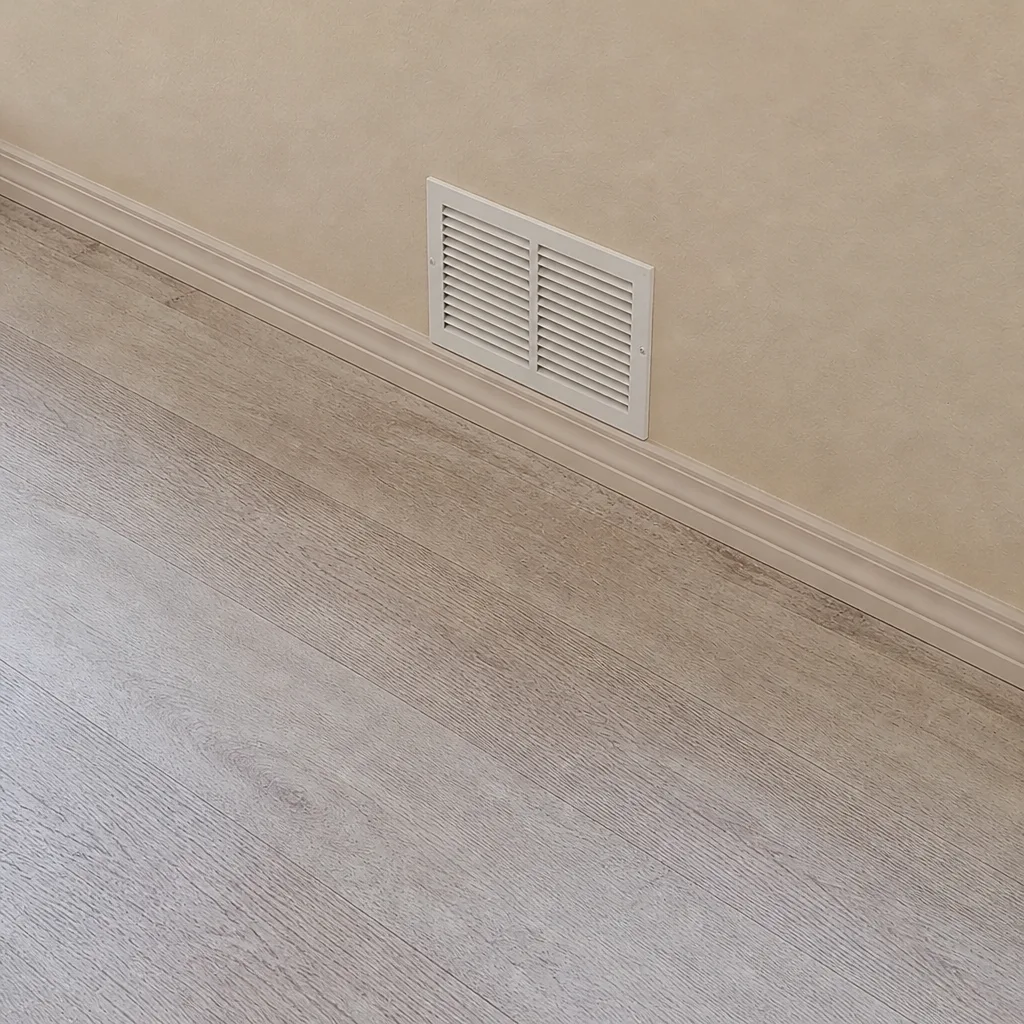
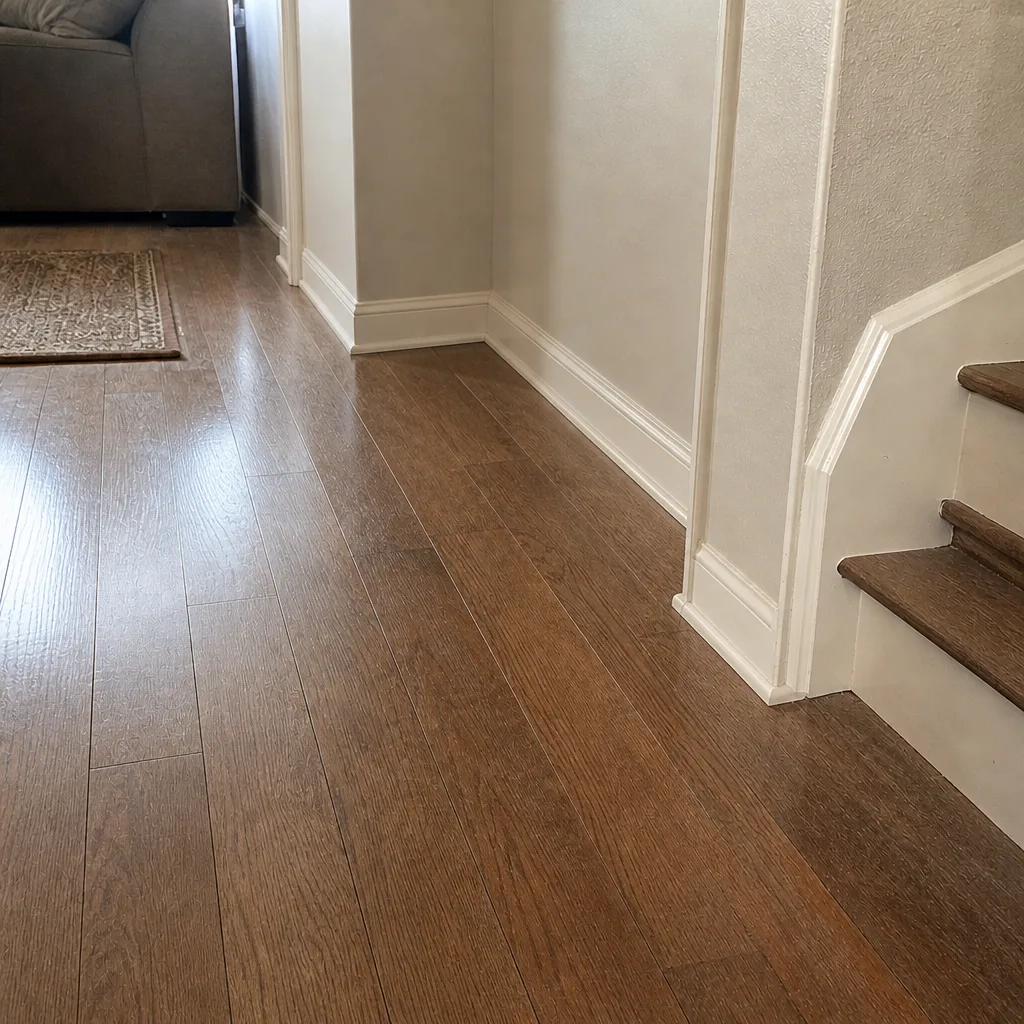
See the difference
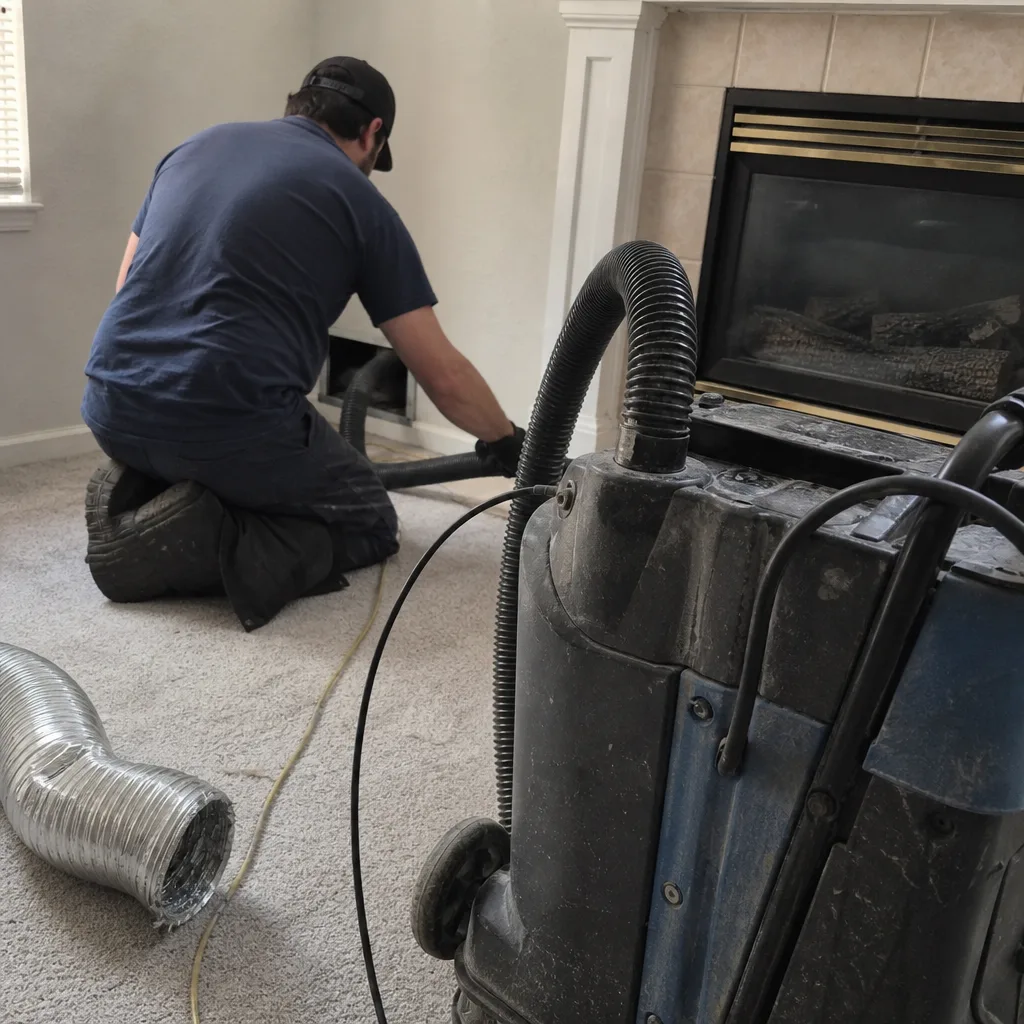 Before
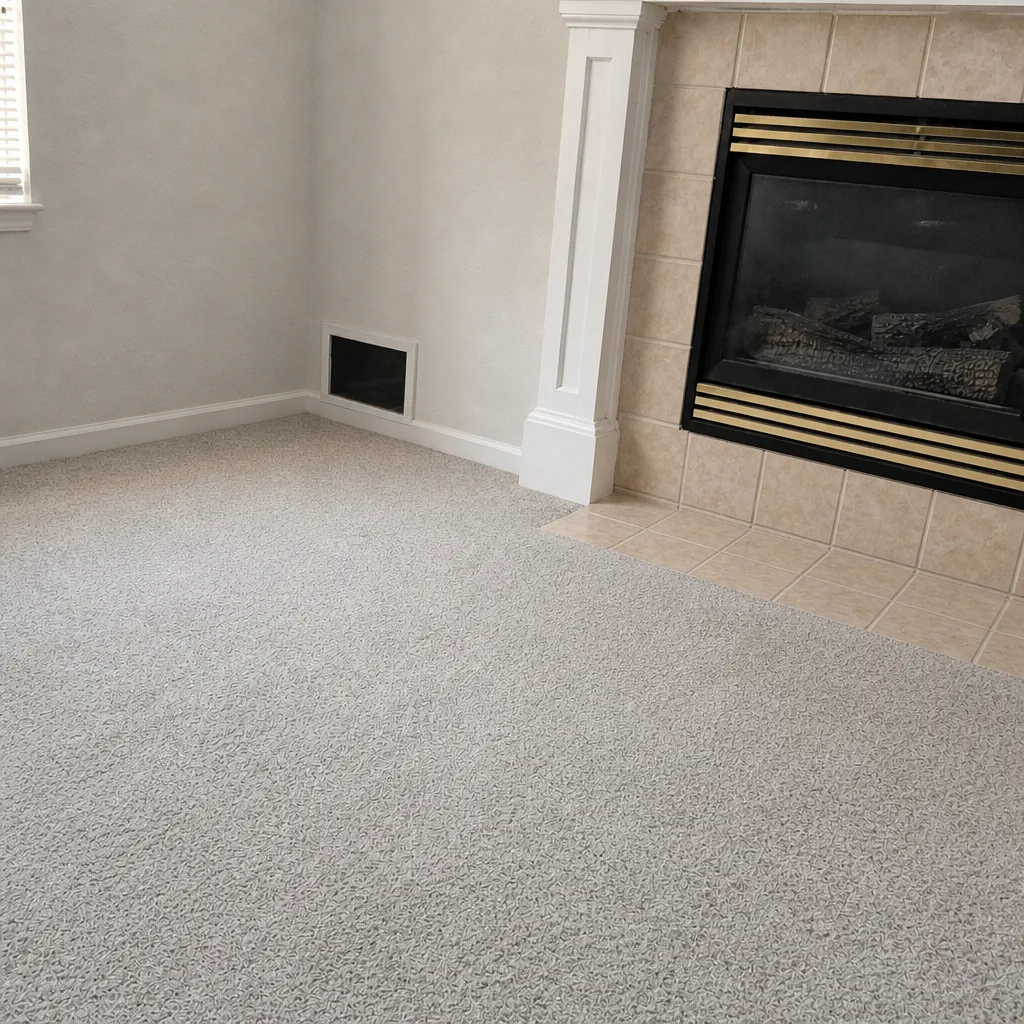 After
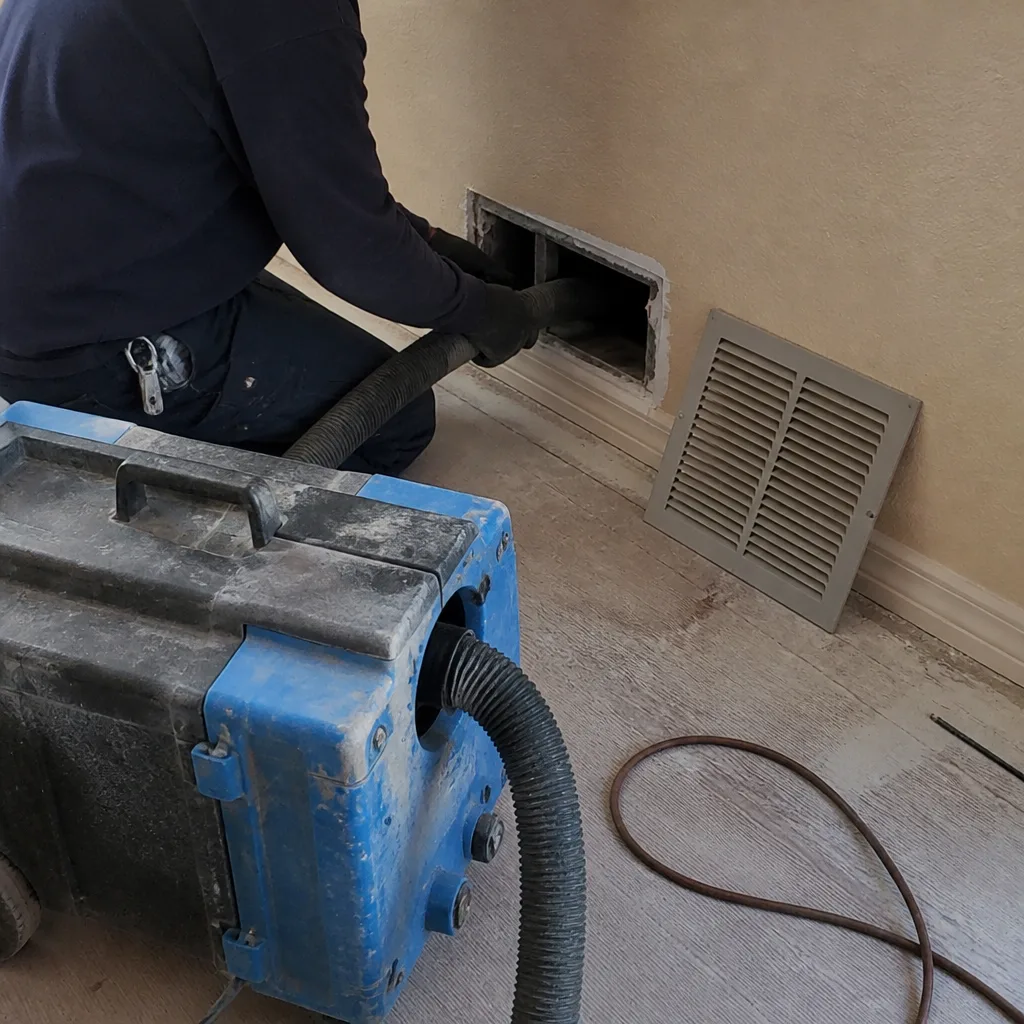 Before
 After
 Before
 After
Frequently Asked Questions
Most Highlands Ranch homes need professional duct cleaning every two to three years, but the local climate pushes some households toward a tighter schedule. Homes with pets, homes near active construction or open-space trails, and homes with older systems often need cleaning every 18 to 24 months. Homes with allergy or asthma concerns should treat an inspection as an annual item even if a full cleaning isn’t due.
MERV 8 to MERV 11 fits most standard Highlands Ranch homes without restricting airflow. Homes with pets, unfinished basements, or proximity to open-space trail dust should run MERV 11 to MERV 13 if the blower can handle it. Households with allergy or asthma concerns usually land at MERV 13. The right answer depends on your system’s static pressure, not on a universal recommendation. A technician can measure static pressure and tell you your ceiling.
Three factors drive it: spring wind picking up soil and pollen, summer wildfire smoke during active windows, and long dry winter heating cycles that keep indoor dust airborne and circulating. Highlands Ranch sits in a wind corridor and has a lot of housing stock from the 1990s and 2000s with original duct systems, which means leaks and gaps that pull outdoor dust in. If your filter loads in under 30 days, an inspection is the right next step.
No. Shop vacuums don’t generate the negative pressure or contact agitation that professional systems do, and they often push fine debris deeper into the system or back into the room. Rotobrush and Nikro systems use brushes and whips sized for the duct interior with containment in place. Register cleaning and filter replacement are safe to do yourself; interior duct cleaning isn’t.
Yes. The two services pair naturally, and the National Fire Protection Association recognizes dryer vent cleaning as a home safety maintenance item. Most Highlands Ranch households should schedule dryer vent cleaning annually, especially if the vent run is long or routes through an exterior wall or attic. Book them together and you save the scheduling back-and-forth.
Low quotes often cover only the first few feet of duct or skip the air handler entirely. Some quote a coupon price that becomes a much larger invoice on-site. A fair quote covers a flat price per system agreed before work starts, includes the air handler and all accessible runs, and confirms the work with before-and-after photos of your own ducts. Ask what the quote actually covers before booking. Call (844) 443-4896 for a free estimate – the written estimate sets the final price.
The Bottom Line
Generic maintenance schedules don’t fit Highlands Ranch. The right approach is built around this climate’s actual wear points: faster filter loading in spring wind and winter heating, summer wildfire smoke windows, and dust loads that vary by neighborhood and housing age. Check your filter monthly, inspect the condensate drain and air handler connections seasonally, measure static pressure once a year, and schedule professional duct cleaning every two to three years, sooner if you’ve renovated or added pets. Pair it with annual dryer vent cleaning. And do the 30-day post-cleaning check – it’s the fastest way to know the work was done right.
Contact
If this checklist has raised questions about your own system, we’re happy to look at it. Air Duct Cleaning Highlands Ranch covers the full airflow picture – ducts, dryer vents, HVAC cleaning, duct repair and sealing, and air quality sanitizing – using professional equipment from Rotobrush, Nikro, and Abatement Technologies, and working with Honeywell, Aprilaire, and Guardsman products for filtration and purification. Our technicians have up to 15 years of experience, and every job is priced per system with a written estimate before work starts. Call (844) 443-4896 for a free estimate. We answer 24/7. Fast dispatch from 7am to 7pm, Sunday through Friday.
Written by the team at Air Duct Cleaning Highlands Ranch.