
Last updated November 23, 2026
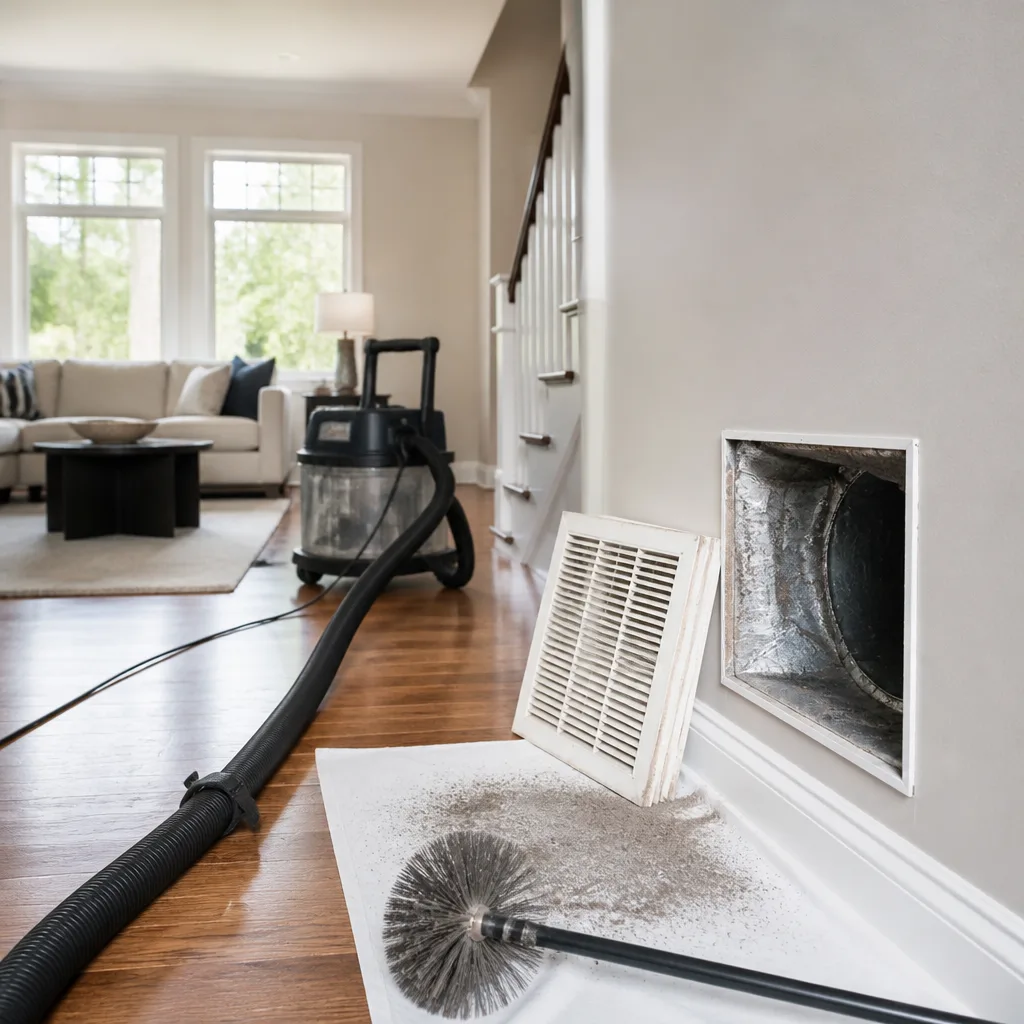 Whole-home duct cleaning
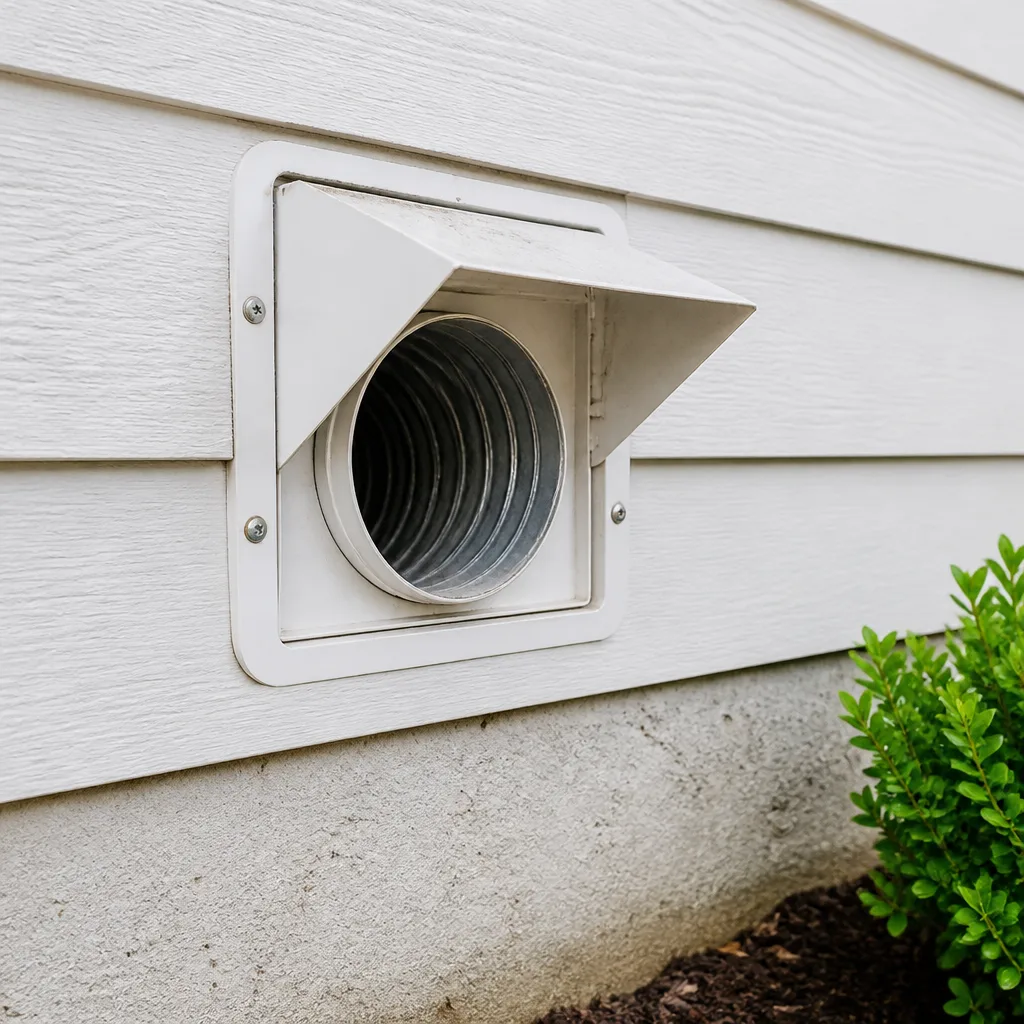 Dryer vent cleaning
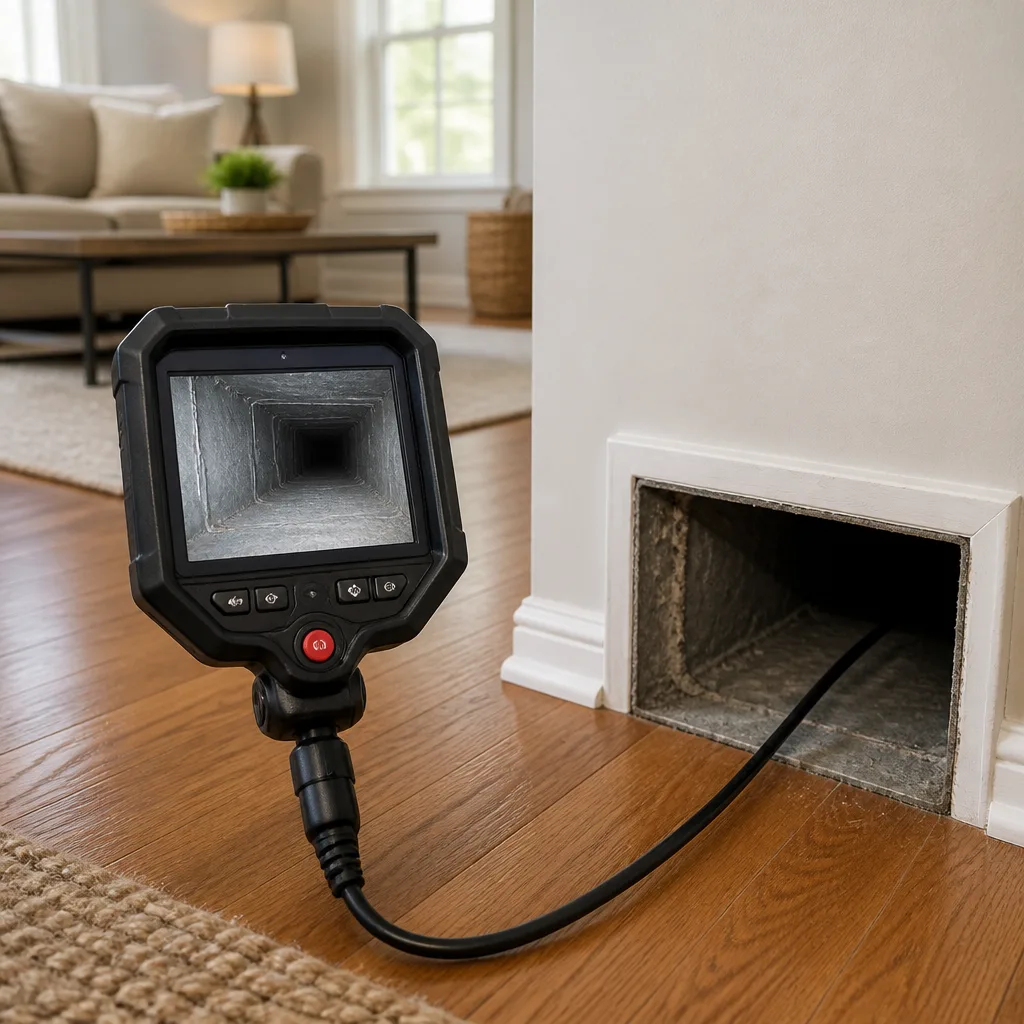 Camera inspection
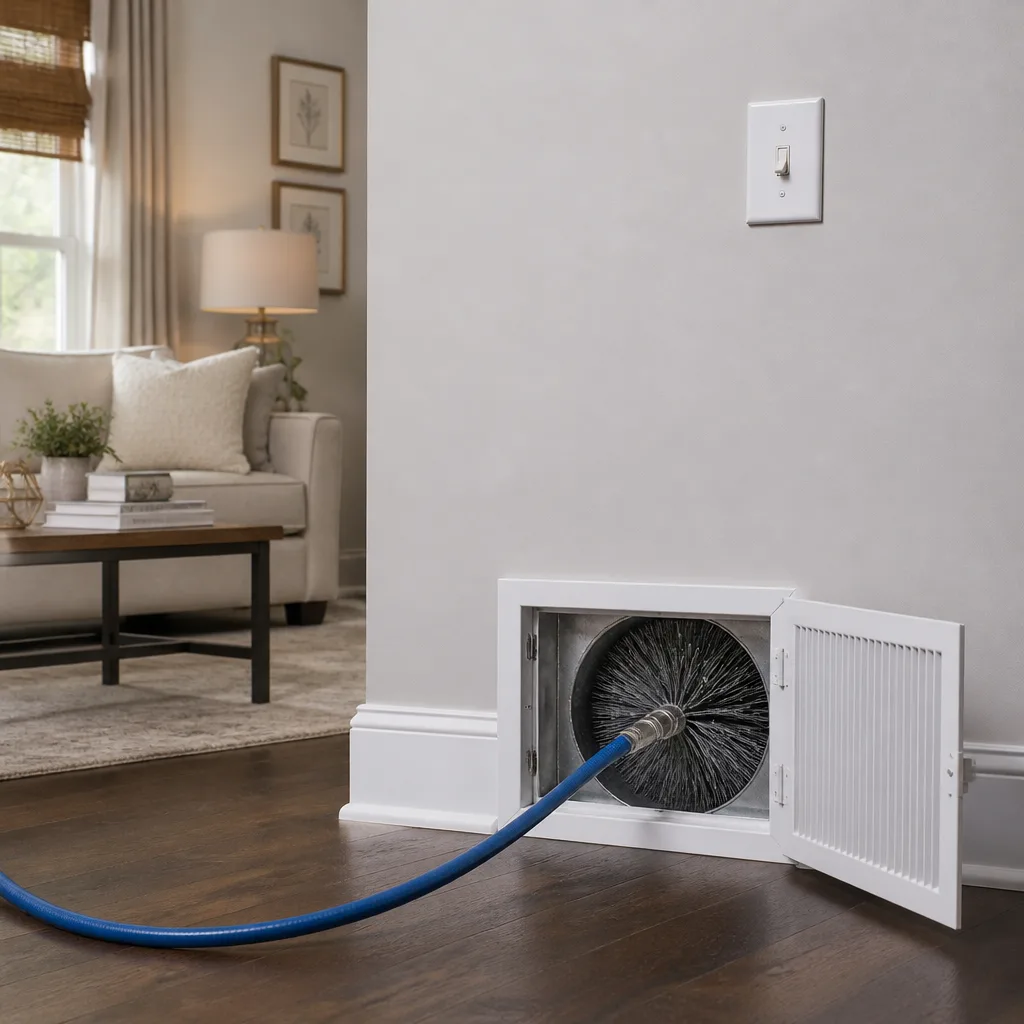 Sanitizing & deodorizing
Whole-system duct and dryer vent check with before-and-after photos - you see exactly what came out of your vents
That "$99 whole-house special" is a bait ad - the real number appears once they are in your hallway, or the "clean" is a shop-vac at the register. We photograph the inside of your ducts before and after instead.
Air Duct Cleaning Permits, Codes & Inspections in Highlands Ranch, CO: What You Need to Know
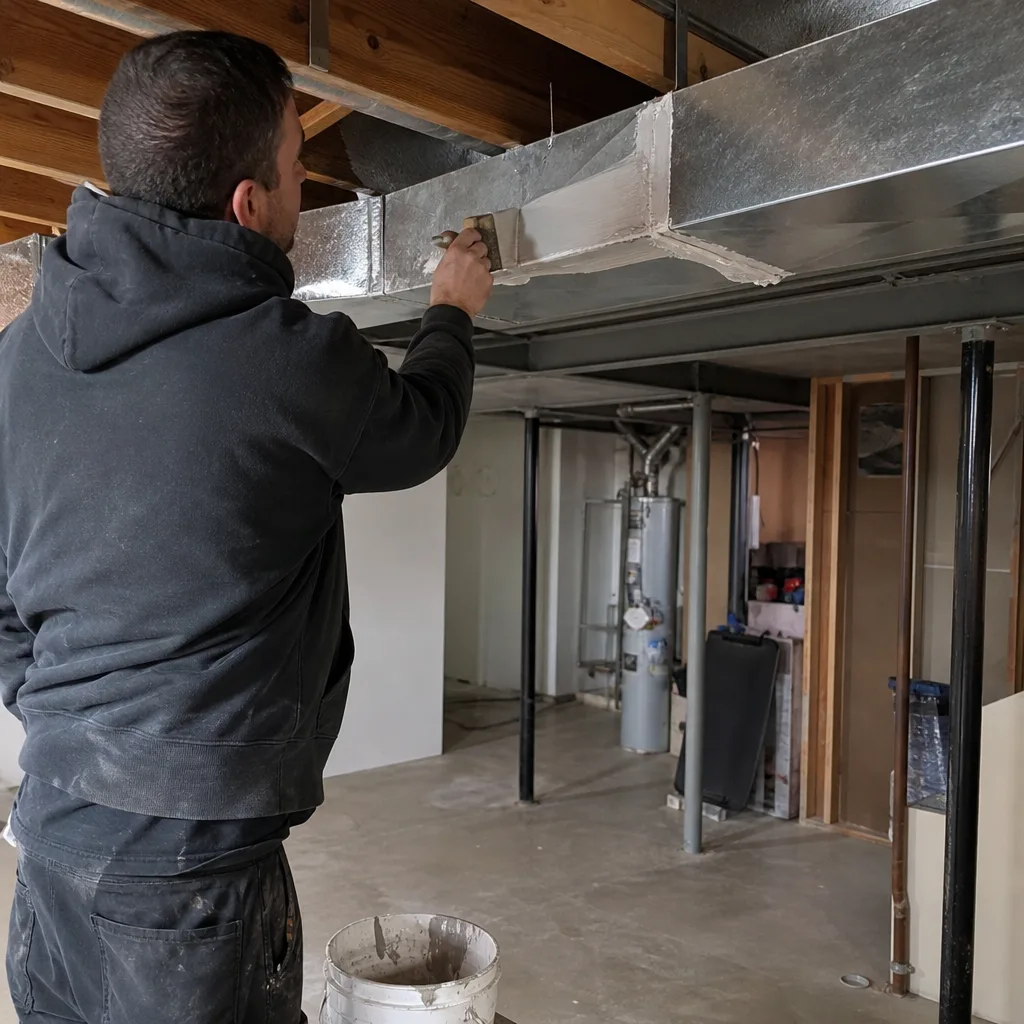
Here’s the part that surprises most homeowners: a straightforward duct cleaning usually needs no permit at all. But a “duct cleaning” visit that quietly includes mastic sealing, duct board replacement, or work inside the blower compartment is a different job in the eyes of the code, and an unpermitted mechanical change can complicate a homeowner’s insurance position if something goes wrong later. Those two jobs get quoted the same way and even described the same way, and that’s where the confusion starts. In this guide, we’ll walk through which scopes of work stay permit-exempt in Douglas County, which ones trigger a mechanical permit under the Colorado Mechanical Code, how Highlands Ranch’s master-planned structure fits into the picture, and what to do if work was already done without one.
Quick Answer
In Highlands Ranch, routine air duct cleaning and source removal typically don’t require a building permit. The moment a contractor cuts into or replaces ductwork, installs or alters duct board, applies mastic as a system modification, or opens up HVAC equipment components like the blower or heat exchanger, a mechanical permit is generally required from Douglas County. Cleaning is maintenance. Modifying the system is construction. That distinction drives everything else on this page.
Styles & brands we work with
- Whole-home duct cleaning
- Dryer vent cleaning
- Camera inspection
- Sanitizing & deodorizing
Table of Contents
- Does air duct cleaning require a permit in Highlands Ranch?
- What actually triggers a mechanical permit under the Colorado Mechanical Code
- How Highlands Ranch and the HRCA interact with Douglas County building oversight
- What “duct sealing” means legally: aerosol, mastic, and full replacement
- How to verify a contractor’s licensing in Colorado
- What to do if duct work was done without a permit
- What a mechanical inspection actually looks like
- Why Highlands Ranch homes see these issues more than you’d expect
Does air duct cleaning require a permit in Highlands Ranch?
No, plain air duct cleaning does not require a permit in Highlands Ranch or anywhere else in Douglas County. Cleaning is classified as maintenance: a contractor removes accumulated dust, debris, and biological growth from the interior surfaces of the duct system and the registers, then puts everything back exactly as it was. No components are altered, no materials are added, and no part of the mechanical system changes function. That’s the dividing line.
Where homeowners get into trouble is when the scope quietly expands. A quote that says “duct cleaning plus sealing” or “duct cleaning plus minor repairs” may involve adding mastic to joints, cutting out damaged sections, or replacing flex runs with rigid pipe. Each of those is a modification, and modifications run through the permit process. We’ve learned to ask the question up front: what exactly is being changed, and does that change require a permit? A contractor who can’t answer that clearly is telling you something.
Because Highlands Ranch is a master-planned community of roughly 30,000 homes built mostly between the 1980s and the 2000s, the housing stock splits into two broad categories for duct work. The older homes have original sheet metal and flex systems that have had decades of settling and joint failure. The newer homes have tighter construction and duct designs that are harder to access. In both, the permit question usually comes down to whether the job is cleaning or modification.
What actually triggers a mechanical permit under the Colorado Mechanical Code
The Colorado Mechanical Code, adopted and enforced locally by Douglas County, governs the installation, alteration, repair, and replacement of mechanical systems. Cleaning isn’t in that list. Alteration, repair, and replacement are. Here’s how that breaks down for duct work in practice:
- Permit-exempt: Source removal cleaning, register and grille removal and reinstallation, filter changes, and visual inspection with a camera.
- Usually permit-required: Cutting out and replacing a section of duct, adding a new branch run or register, converting flex duct to rigid, replacing duct board, installing a new return air path, or resealing the system with mastic beyond routine cleaning.
- Permit-required: Any work touching the HVAC equipment itself, including blower removal, coil cleaning that requires partial disassembly, heat exchanger inspection that opens the cabinet, or installation of an in-line filtration or UV component in the duct system.
- Separate permit category: Adding or relocating a dryer vent, which often falls under different administrative rules than mechanical work.
Fees for those permits are set by the county, and the inspector assigned to the job determines what’s actually being verified. A mechanical inspection of duct work typically focuses on whether the material used meets code, whether the system is properly supported and sealed, and whether the airflow design still functions. Nobody inspects the inside of your ducts for dust. That’s not what the permit is for, and that’s why a lot of homeowners reasonably ask why they’d need one at all.
How Highlands Ranch and the HRCA interact with Douglas County building oversight
Highlands Ranch has an unusual governance structure that trips up contractors from outside the area. The Highlands Ranch Community Association (HRCA) is a large, established homeowner association that manages architectural review, covenant enforcement, and community standards across the community. Douglas County handles building permits, inspections, and contractor licensing. These are separate functions, and both can apply to a project.
For most interior duct work, the HRCA isn’t involved at all. The association’s review process matters when work is visible from outside the home or affects the exterior envelope, such as relocating a vent termination, cutting a new exterior penetration for a dryer vent, or changing where a condensation line exits. If a contractor needs to modify exterior stucco, siding, or roof penetration to run new ducting, the HRCA architectural review committee gets a look before the work proceeds.
That extra layer has an important implication. Contractors who aren’t familiar with Highlands Ranch sometimes skip the covenant review and assume that a county permit covers everything. It doesn’t. A Douglas County mechanical permit is necessary for the work, but it doesn’t substitute for the HRCA’s architectural process, and a homeowner who’s left holding an unapproved exterior modification has to resolve it with the association on their own. Asking a contractor early whether they’ve worked inside HRCA-managed properties is a useful filter.
The HRCA governs a community with distinctive geography. Highlands Ranch spreads across open terrain south of Denver, with elevation around 5,800 to 6,200 feet depending on the neighborhood. Homes in the higher parts of the community, including areas near the Backcountry Wilderness Area, see wider temperature swings than lower neighborhoods like Northridge. That matters for duct performance because extreme swings put more expansion and contraction stress on flex duct runs and sealant joints.
What “duct sealing” means legally: aerosol, mastic, and full replacement
“Duct sealing” is one of the most ambiguous phrases in the trade, because it describes three genuinely different scopes of work with three genuinely different permit implications. Understanding which one you’re being quoted for matters.
Aerosol-based sealing
Aerosol duct sealing (the trade name Aeroseal is the most recognized example) works by pressurizing the duct system, introducing a sealant mist, and letting it deposit at leaks. The scope is technically a system modification, but the challenge with permitting is that it’s an in-place treatment that adds material to existing joints without altering the duct structure. Douglas County’s enforcement practice varies here, and we recommend treating it as an ask-your-inspector question rather than assuming either answer. Get it in writing from the contractor what the position is.
Mastic application
Mastic sealing is the manual version: brushing or spraying sealant onto accessible joints, seams, and connections. Simple touch-ups at exposed joints in a garage or mechanical room typically aren’t treated as a permit-triggering modification. But if a contractor is opening walls, cutting into chases, or pulling duct sections to apply sealant comprehensively, that pushes the scope into alteration territory. Ask whether the sealant is being applied to existing accessible joints or whether duct segments are being removed and reinstalled.
Full duct replacement
Replacement is the clearest permit case. Removing and installing new duct sections, changing duct material (flex to rigid, sheet metal to duct board), or redesigning branch runs for a room addition all fall under the mechanical code. A mechanical permit is required, and the inspection covers material compatibility, joint sealing, support spacing, and whether the new system still delivers adequate airflow to each register.
We bring this up on every quote because homeowners deserve to know the legal scope of what they’re buying. A contractor who describes all three under the same umbrella without distinguishing them is either unfamiliar with the code or hoping you won’t ask. Rotobrush equipment is well-suited to the cleaning side of that work, and we use it for source removal before any sealing discussion, so the duct interior is documented clean before any modification decisions are made.
How to verify a contractor’s licensing in Colorado
Colorado handles contractor licensing at a mix of state and local levels, and HVAC work is regulated separately from general contracting. Here’s the practical path for checking out a duct cleaning or duct repair contractor in Highlands Ranch:
- Ask what license they hold and which entity issues it. Plumbing and electrical work are state-licensed; mechanical and HVAC work is regulated through local jurisdictions, with Douglas County issuing permits and inspecting the work. Specialty trade contractors typically register locally.
- Check the Colorado Secretary of State business database. Confirm the business entity is active and in good standing. This catches shell entities and expired registrations.
- Ask for a certificate of insurance naming general liability coverage. Request that the certificate list the business’s legal name, not a personal name. A legitimate operation will produce this without hesitation.
- Ask how the contractor will handle the permit if the scope requires one. If a contractor says “we don’t pull permits for duct work,” and your scope includes duct modification, that’s a red flag. Permits are the contractor’s responsibility, not the homeowner’s, when they’re doing the work.
- Request the permit number before work begins. Douglas County allows permit lookup by address, so the number gives you an independent way to verify the work is on record.
Colorado’s system means that the licensing question is answered at the local level for mechanical work, and the answer is usually about who’s pulling the permit and who’s on the insurance. The most reliable contractors are the ones who can produce documentation without needing to be pushed.
What to do if duct work was done without a permit
This comes up more often than people realize, and it usually surfaces when a homeowner is selling the house or refinancing. A buyer’s inspector finds new ductwork in the crawlspace with no record at the county, and the transaction stalls. The steps to resolve it follow roughly the same path regardless of how far along things are:
- Document what was actually done. Take photos of the modified areas, gather any invoices or contracts from the original work, and identify exactly which components were changed. This is the foundation for everything else.
- Call Douglas County’s building department and ask about after-the-fact permitting. The county has a process for legalizing unpermitted work, and it’s generally less painful than homeowners expect. Have your documentation ready before you call.
- Hire a licensed mechanical contractor to inspect the work and prepare a report. They’ll identify whether the work as done meets code, and they’ll often need to make minor corrections before the county will issue the permit.
- Apply for the after-the-fact permit and schedule the inspection. Corrections identified by the inspector become the punch list, and the permit closes once those items are resolved.
- Notify your homeowner’s insurance. Some policies require disclosure of unpermitted work, and getting ahead of it is usually simpler than explaining a claim later.
If you don’t know who did the original work, or the contractor is no longer in business, the county can still issue the permit to the contractor who remediates the work. The process is more expensive than getting it right the first time, but it’s not the disaster it feels like when you first discover it.
What a mechanical inspection actually looks like
A mechanical inspection on duct work is usually quick, and the inspector is focused on installation quality rather than cleaning. In our experience, the inspection visit runs 30 to 60 minutes depending on how much of the system is accessible. The inspector is typically checking:
- Material specifications against code requirements, including whether foil-faced duct board and flex duct meet current standards.
- Joint sealing and support spacing. Sagging flex runs and unsealed joints are the most common correction items.
- Whether the system supports adequate airflow, particularly on high-efficiency or variable-speed equipment.
- Register and return air placement, especially if new penetrations were created.
- Clearance to combustibles, particularly around furnace connections and any ductwork passing near the water heater or mechanical closet.
An inspection on unpermitted work that a previous contractor installed doesn’t always pass cleanly. Most commonly, the corrections involve added support straps, resealing joints with the correct material, or replacing duct material that wasn’t rated for the application. These are generally affordable corrections, though they add a step.
For homeowners who want to avoid the inspection altogether, the simplest rule is to ask a contractor up front whether their quoted scope includes anything that requires a permit. A clean, well-documented source removal job using professional equipment from a manufacturer like Abatement Technologies or a duct cleaning system from Nikro doesn’t require a permit, and the contractor should be able to confirm that clearly.
Why Highlands Ranch homes see these issues more than you’d expect
Air duct problems in Highlands Ranch are shaped by three local factors that contractors from Denver often underestimate. First, the housing stock. Homes built across the community over the past few decades include a large share with original flex duct in unconditioned attics, and that flex degrades under the temperature swings of the high-desert Front Range climate. Summer attic temperatures in Highlands Ranch can climb well into the triple digits, and winter nights get cold enough that the plastic liner of flex duct becomes brittle. That cycling causes joint separation and inner liner failure, which is exactly the kind of damage that moves a “cleaning” job into a “repair and reseal” job.
Second, the construction style. Many Highlands Ranch homes have long flex runs from a central air handler, and the typical system has 10 to 20 branch runs with a mix of accessible and semi-concealed ducting. Identifying dryer vent scope, return air paths, and flex duct failures requires camera inspection, and that’s one place where equipment matters. We use Abatement Technologies filtration and containment equipment during service, which is the same standard used in remediation work. It matters for keeping the home clean, but it also matters because the equipment lets us see and document problems we’d otherwise miss.
Third, the community’s age profile. A large share of homes here are now in the second-owner or third-owner stage, which means duct systems have likely had multiple contractors over the years, and the permit records don’t always match the actual install. This is one of the biggest reasons we recommend checking permit history before buying a resale home in Highlands Ranch, particularly in older neighborhoods like Northridge and Westridge. What’s in the crawlspace and the attic doesn’t always match what’s on file at Douglas County.
For homeowners looking at air duct cleaning, the practical takeaway is that a professional inspection often surfaces repair issues underneath the cleaning scope. That’s not a sales tactic, it’s a code-driven reality of the local housing stock.
Common Mistakes to Avoid
- Assuming “duct cleaning” and “duct repair” are the same service under the code. They aren’t. Cleaning is maintenance; repair is a modification that may require a mechanical permit. Ask which one is being quoted.
- Letting a contractor pull the permit in your name. The permit should be in the contractor’s name as the party responsible for the work. If a contractor asks you to pull it as the homeowner, that’s a sign the work may not pass inspection as proposed.
- Skipping the HRCA architectural review for exterior duct modifications. A Douglas County permit doesn’t cover the association’s process. A new exterior vent termination without HRCA review can become a covenant issue that follows the homeowner, not the contractor.
- Assuming a low coupon quote includes the sealing or repair the job actually needs. In our experience, a very low headline price usually means the quote will expand once the technician is on site. The permit question matters here too, because the cheap quote is unlikely to include permit costs for any modification work.
- Not verifying insurance before work begins. A business license alone is not insurance. Ask for a certificate of general liability that lists the business legal name, not an individual.
- Ignoring existing unpermitted work when renovating. If you’re planning a kitchen or bath remodel and the inspector finds unpermitted duct changes from years ago, it can stall the whole project. Address known issues before you start new work.
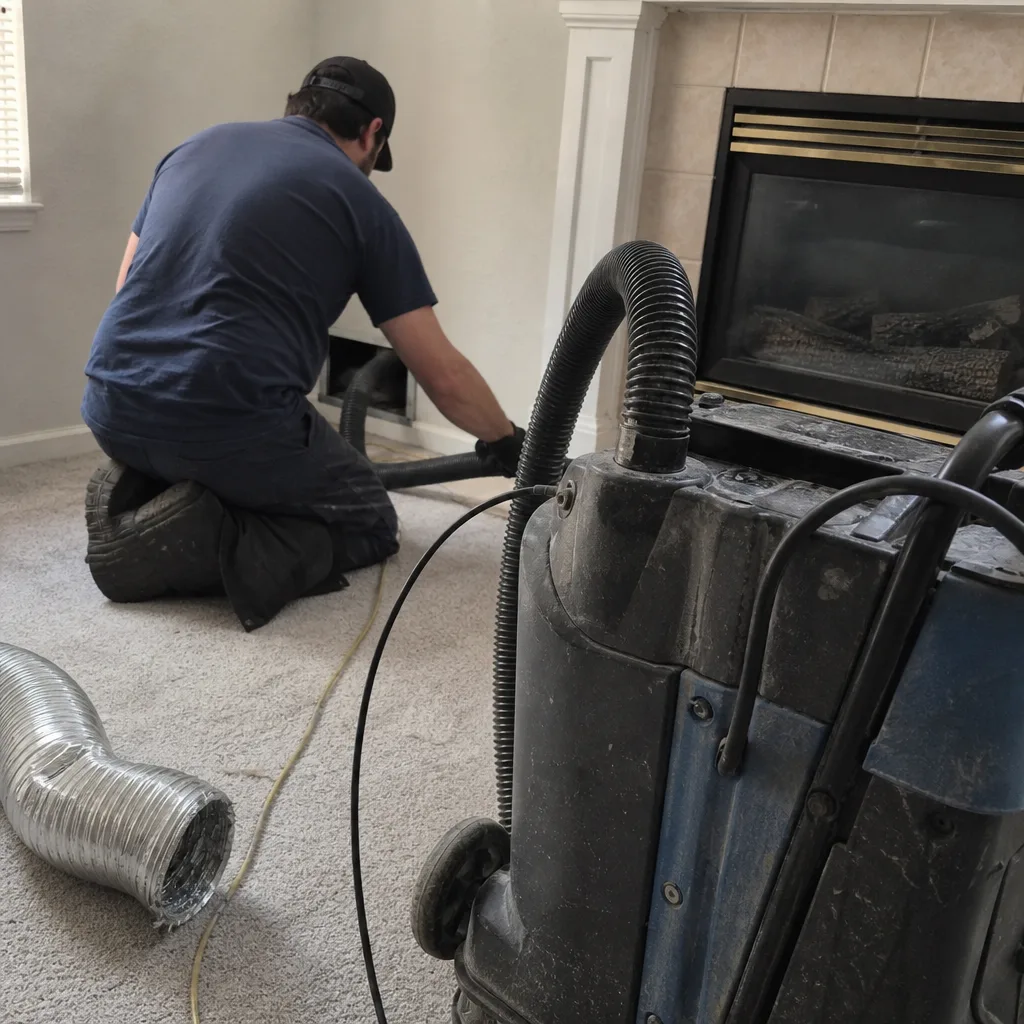
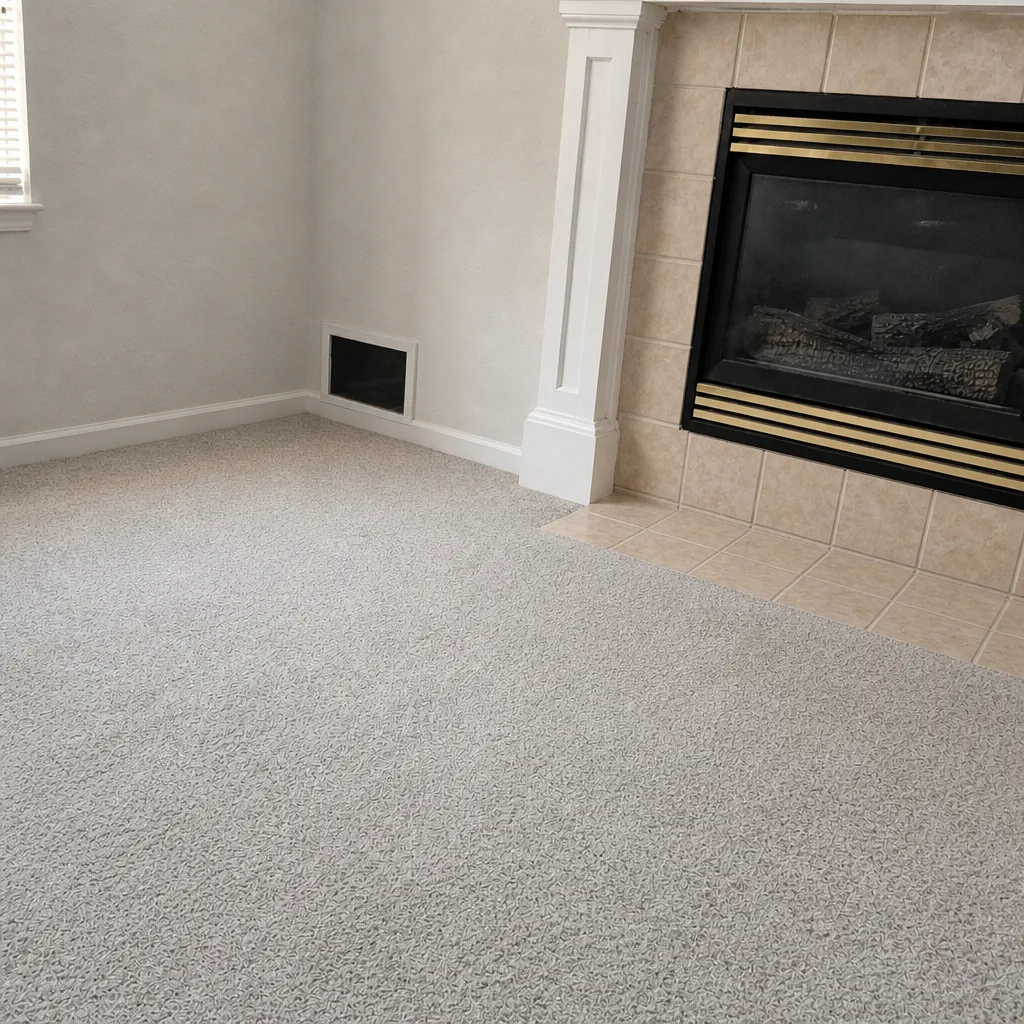
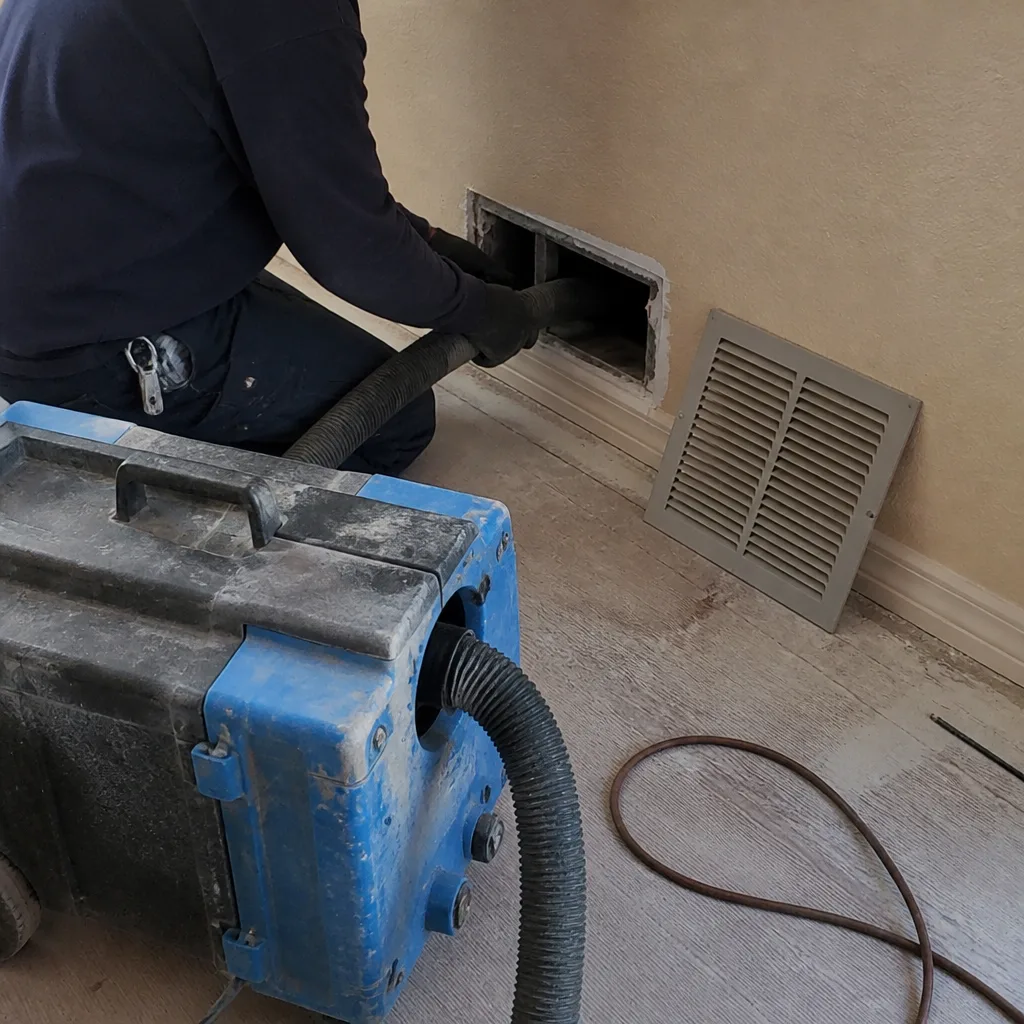
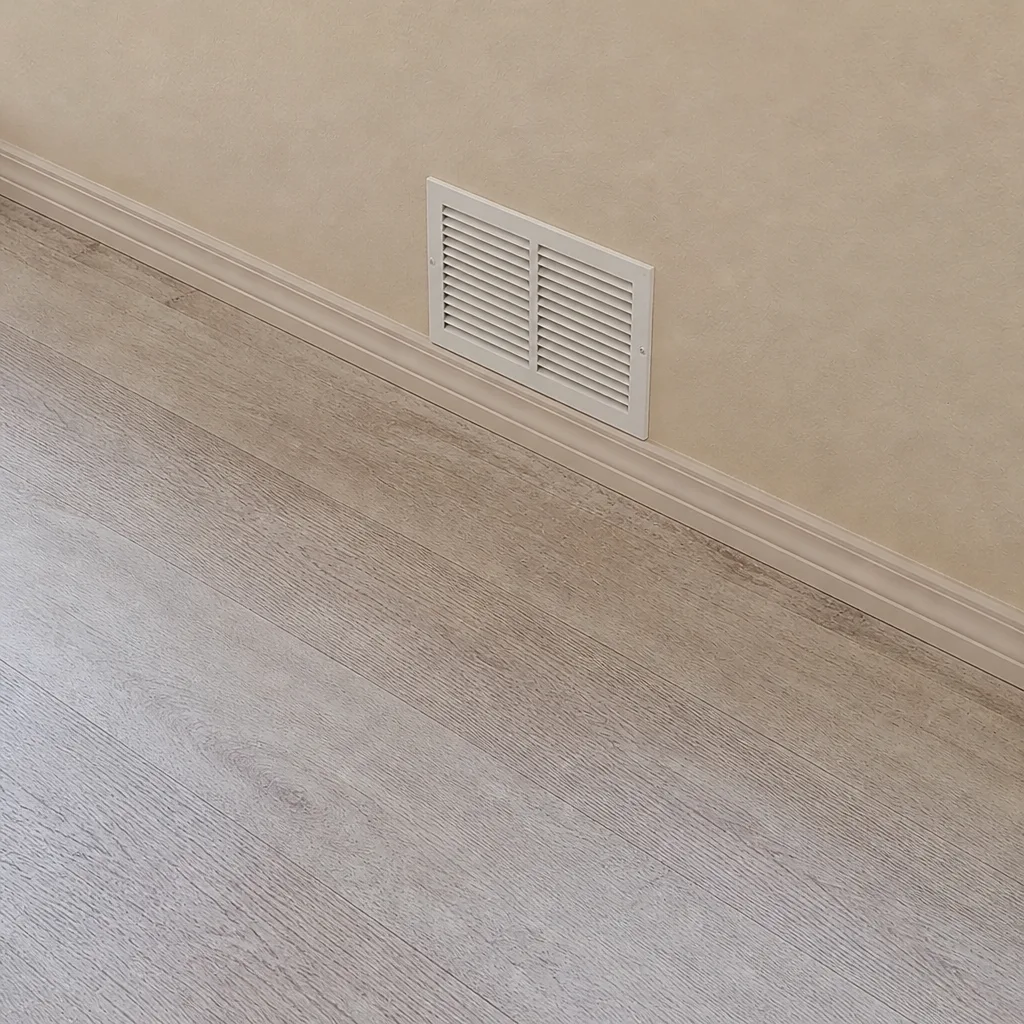
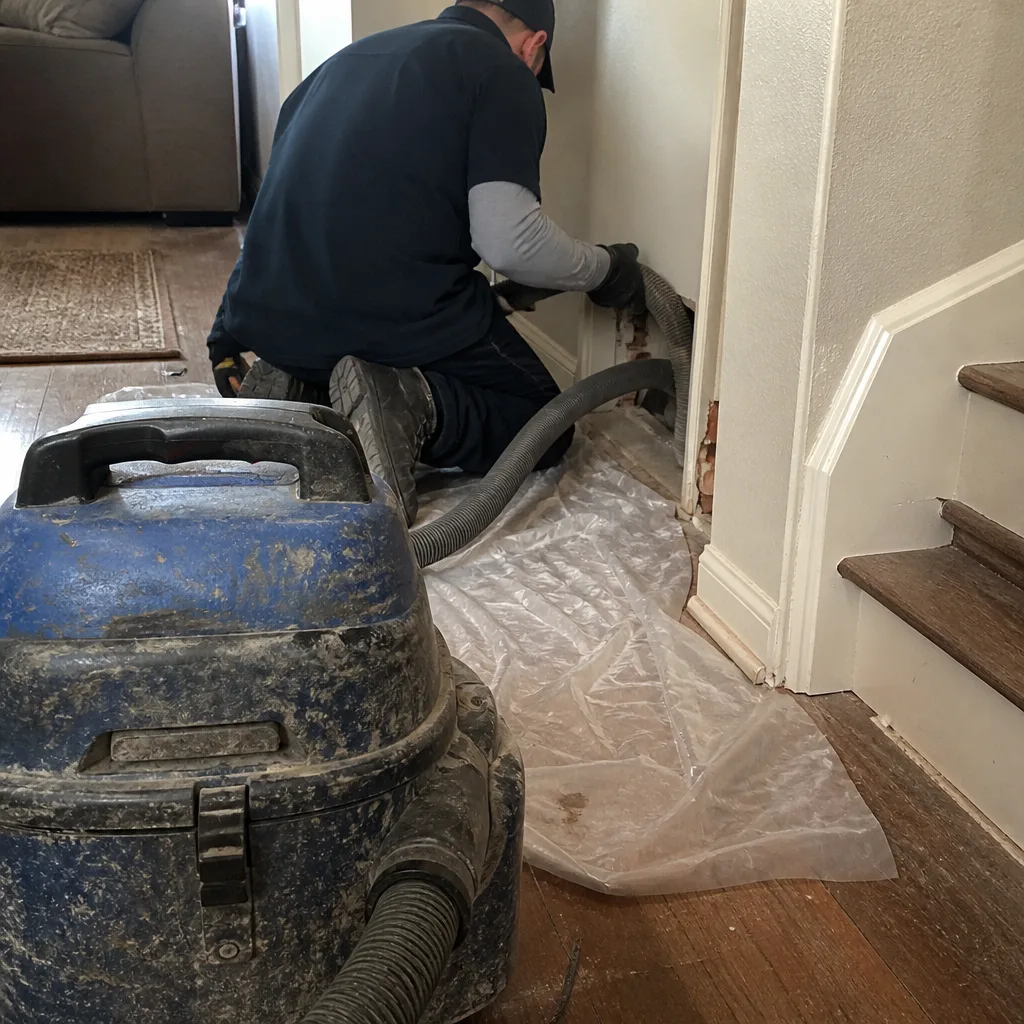
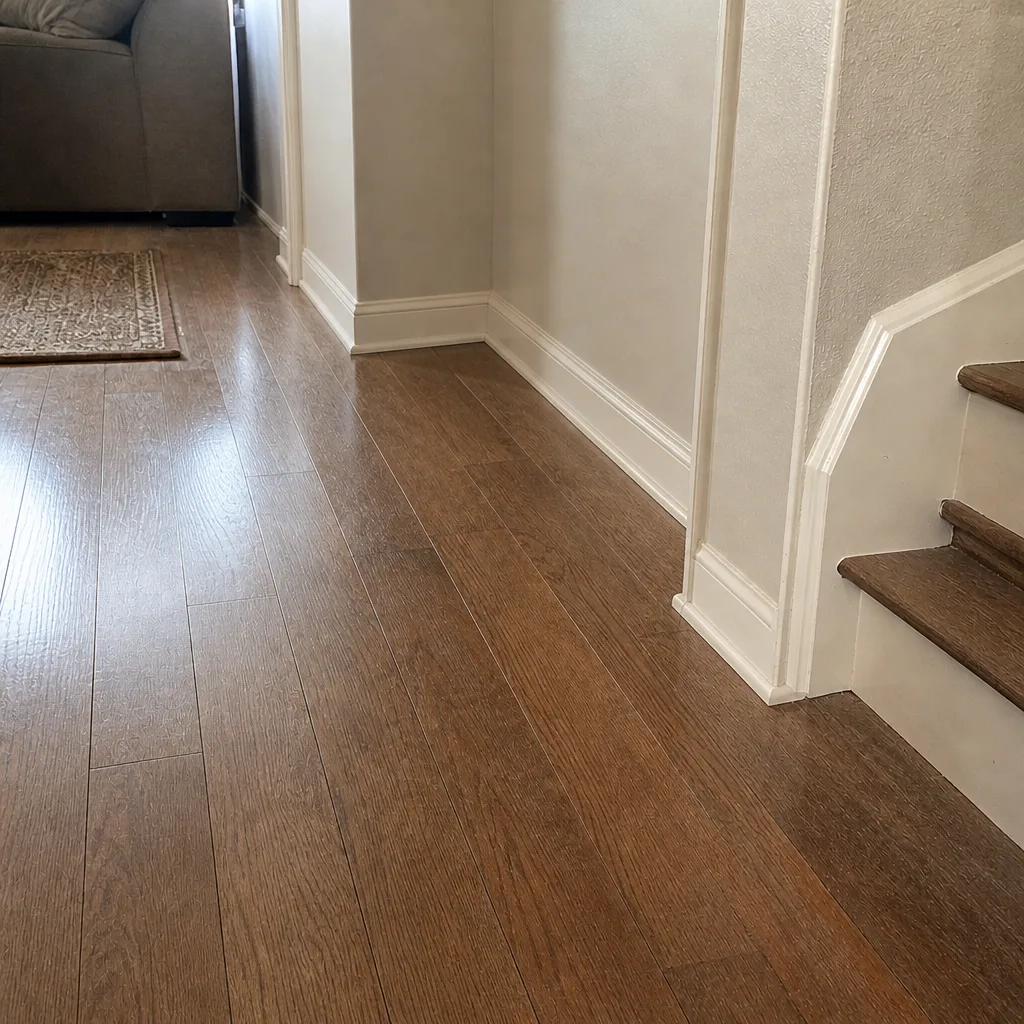
- Treating duct cleaning as a substitute for duct inspection. Cleaning without camera inspection can miss flex duct failures, disconnected joints, and pest intrusion that a documented inspection would catch. Ask for before-and-after photos of the duct interior.
See the difference
 Before
 After
 Before
 After
 Before
 After
When to Call a Professional
Some duct work you can reasonably handle yourself, like changing the furnace filter or vacuuming visible register grilles. Most of the real work in Highlands Ranch doesn’t fall into that category. Call a professional when a contractor has quoted duct sealing or duct modification and you’re not sure whether a permit is needed; when you’ve just bought a Highlands Ranch home and want the mechanical permit history checked before you close; when you find unpermitted duct work from a previous owner and need to legalize it; when a home renovation is about to start and you want existing duct issues resolved before the walls go back up; or when you’re seeing the signs of duct failure, including uneven airflow, dust patterns at the registers, or a system that runs longer than it used to.
A professional scope assessment typically takes an hour and will tell you whether you’re looking at a cleaning-only job or one that leans on the mechanical code. Air Duct Cleaning Highlands Ranch offers free estimates in Highlands Ranch, and we’ll tell you clearly whether your job is permit-exempt or not. Call (844) 443-4896. We answer 24/7. Fast dispatch from 7am to 7pm, Sunday through Friday.
Frequently Asked Questions
No, routine air duct cleaning in Highlands Ranch doesn’t require a permit because it’s classified as maintenance, not modification. A permit is typically needed only when the work involves altering or replacing ductwork, installing new duct material, or opening up HVAC equipment components. Call (844) 443-4896 for an exact quote – estimates are free.
Duct cleaning removes dust and debris from the interior of an existing duct system without altering the system. Duct repair involves modifying the system (cutting, replacing, resealing, or reconfiguring ductwork) which is generally treated as a mechanical alteration under the Colorado Mechanical Code and typically requires a Douglas County permit. If your quote mixes the two, ask the contractor which permit is being pulled and in whose name.
Verify a contractor’s standing through the Colorado Secretary of State business database, then ask for a certificate of insurance naming the business entity (not an individual) as the insured party. For mechanical work, ask which entity issues their local registration and confirm they’ll pull the permit in their own name. A contractor who’s licensed and insured as required in Colorado will produce documentation without a delay tactic.
Douglas County has an after-the-fact permitting process for legalizing unpermitted mechanical work. The homeowner can request the permit, hire a licensed contractor to inspect and correct any issues, and complete the inspection. It doesn’t typically kill a sale, but it usually needs to be resolved or disclosed before closing. Check permit history with Douglas County’s building department before your inspection contingency window closes.
It can, depending on the policy and the claim. Insurers commonly look at whether the work was performed in a code-compliant way if a claim arises from that work, and unpermitted modifications can complicate coverage for the related damage. The simplest protection is to get permitted work done, or to legalize existing unpermitted work before a claim situation arises.
Ask for before-and-after photos of the duct interior, typically taken with a camera pushed through the supply and return runs. A professional contractor documents the work with photos from inside the system, not just the equipment in the driveway. If a contractor can’t produce photos of the actual duct interior before and after, that’s a signal to look elsewhere. Call (844) 443-4896 for an exact quote – estimates are free.
The Bottom Line
Air duct cleaning itself doesn’t require a permit in Highlands Ranch, but duct sealing, duct replacement, and any work inside HVAC equipment components usually do. The line between cleaning and construction is what determines whether a Douglas County mechanical permit is needed, and the HRCA architectural review can add a separate layer for any work that touches the exterior of the home. If you discover unpermitted work, the Douglas County after-the-fact process is workable. If you’re hiring a contractor, ask about permits up front, verify insurance and licensing, and get before-and-after photos of the duct interior. If you have questions about your specific scope, our team can walk you through it.
We handle the full airflow picture here in Highlands Ranch, from Air Duct Cleaning Highlands Ranch source removal to HVAC cleaning and duct repair. We also offer dryer vent cleaning as a standalone safety-focused service, and we work with filtration and purification products from Honeywell, Aprilaire, and Guardsman for homeowners who want to take the air quality step beyond cleaning. Call (844) 443-4896 for a free estimate. We answer 24/7, with fast dispatch from 7am to 7pm, Sunday through Friday.
Written by the team at Air Duct Cleaning Highlands Ranch.