
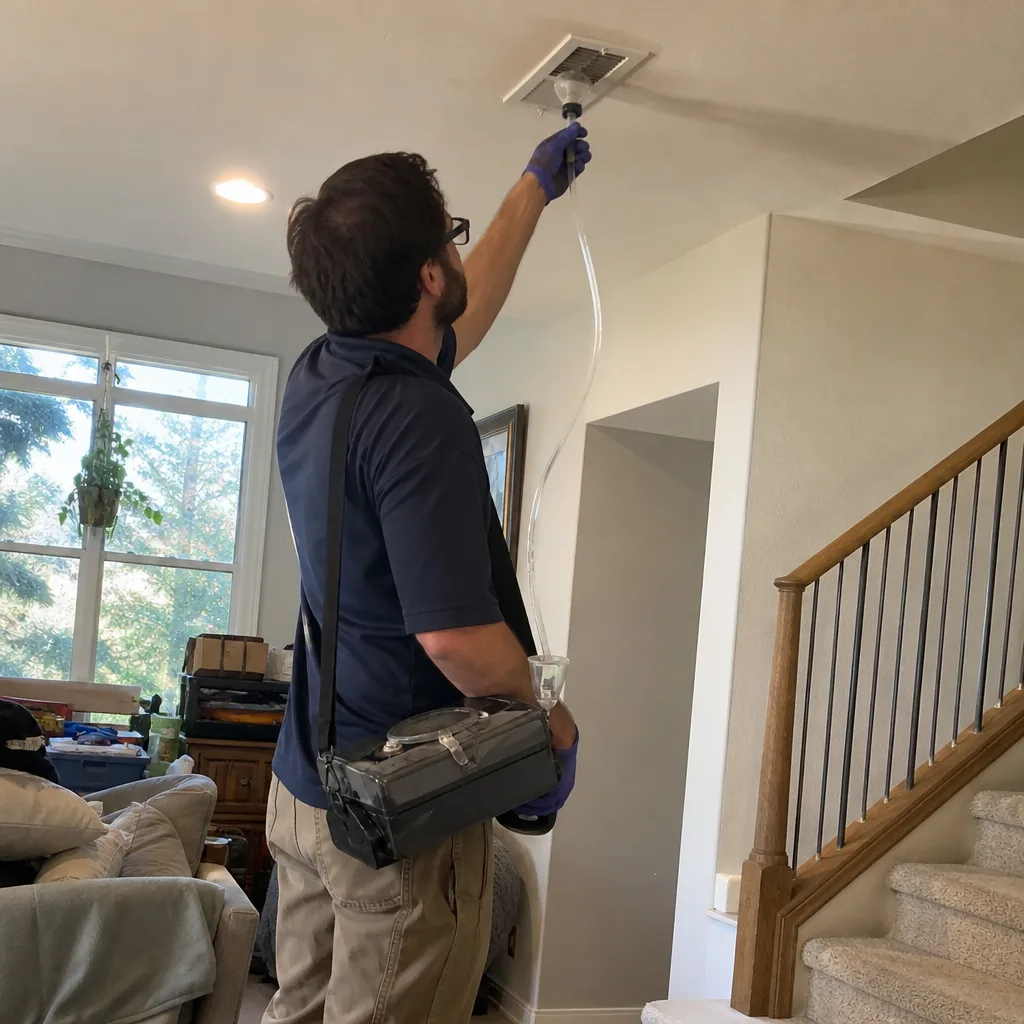
Last updated November 23, 2026
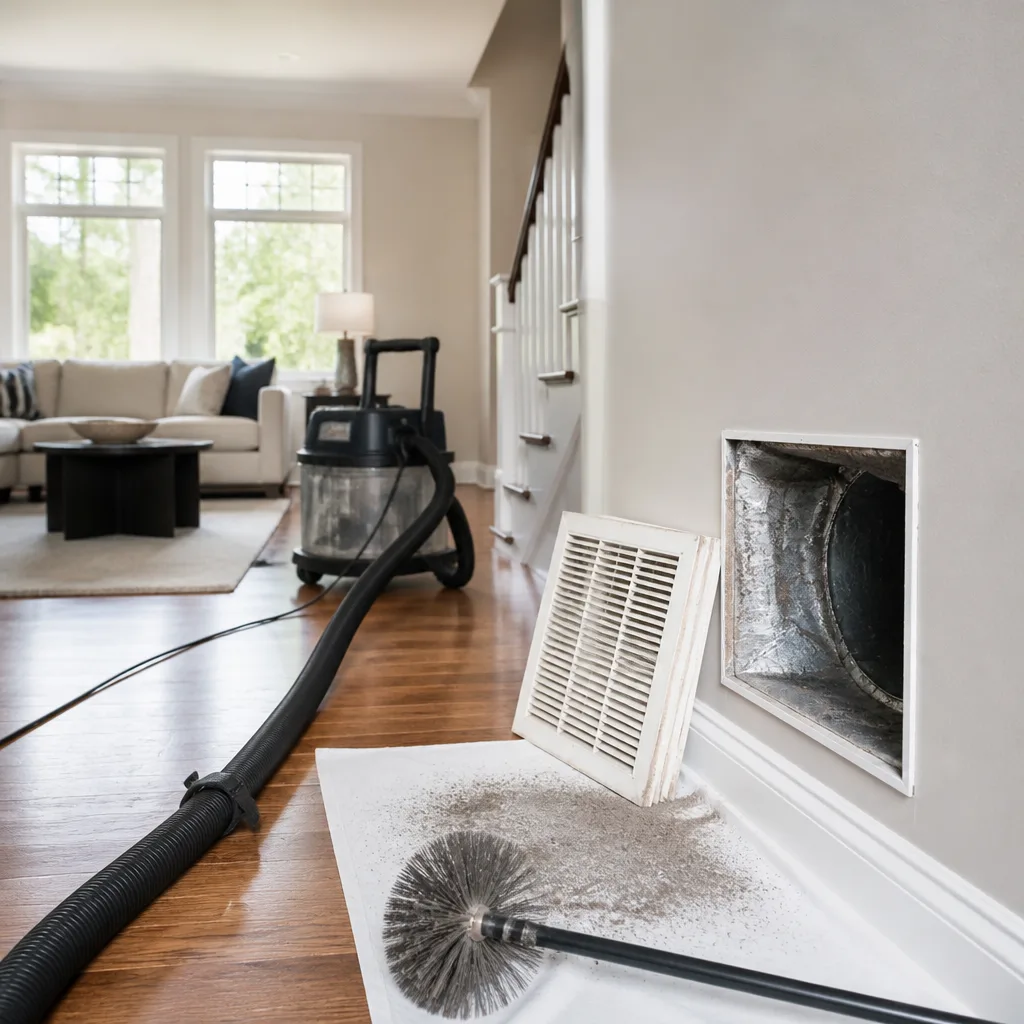 Whole-home duct cleaning
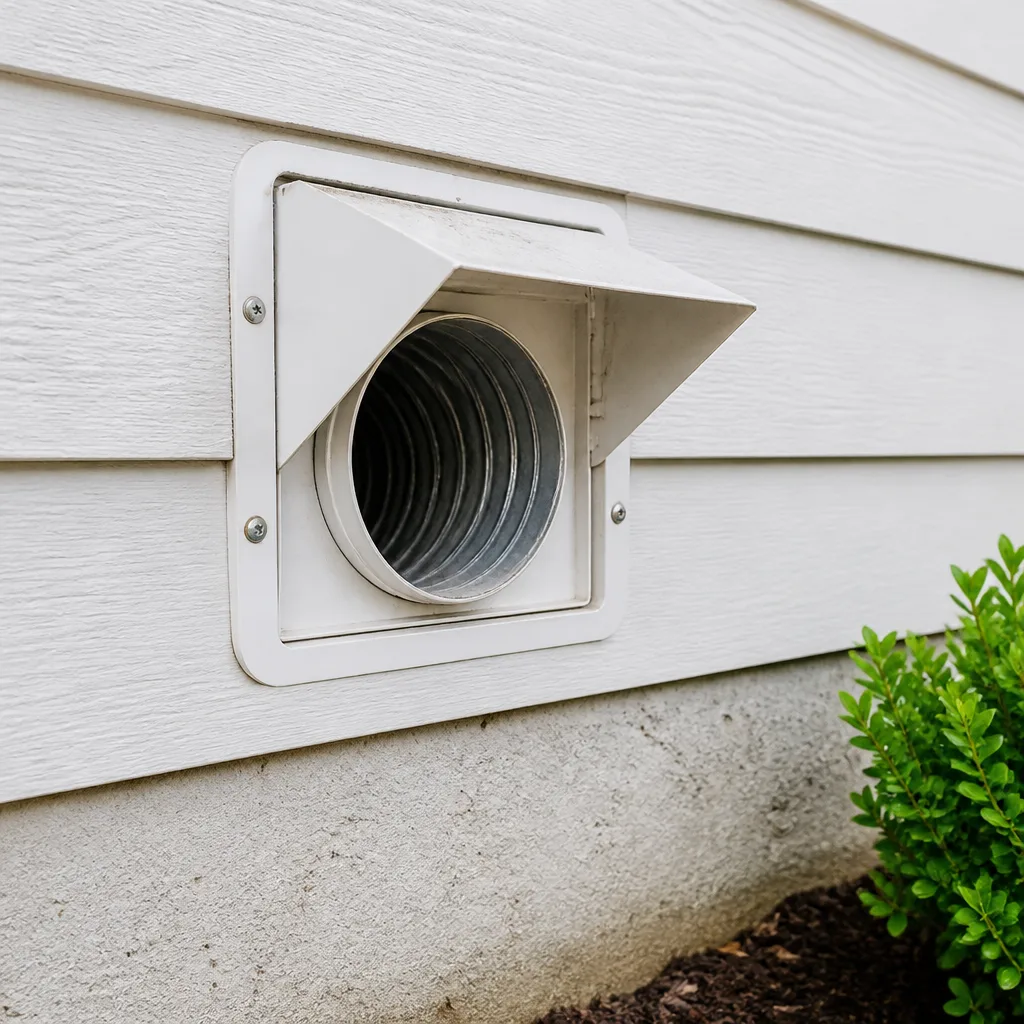 Dryer vent cleaning
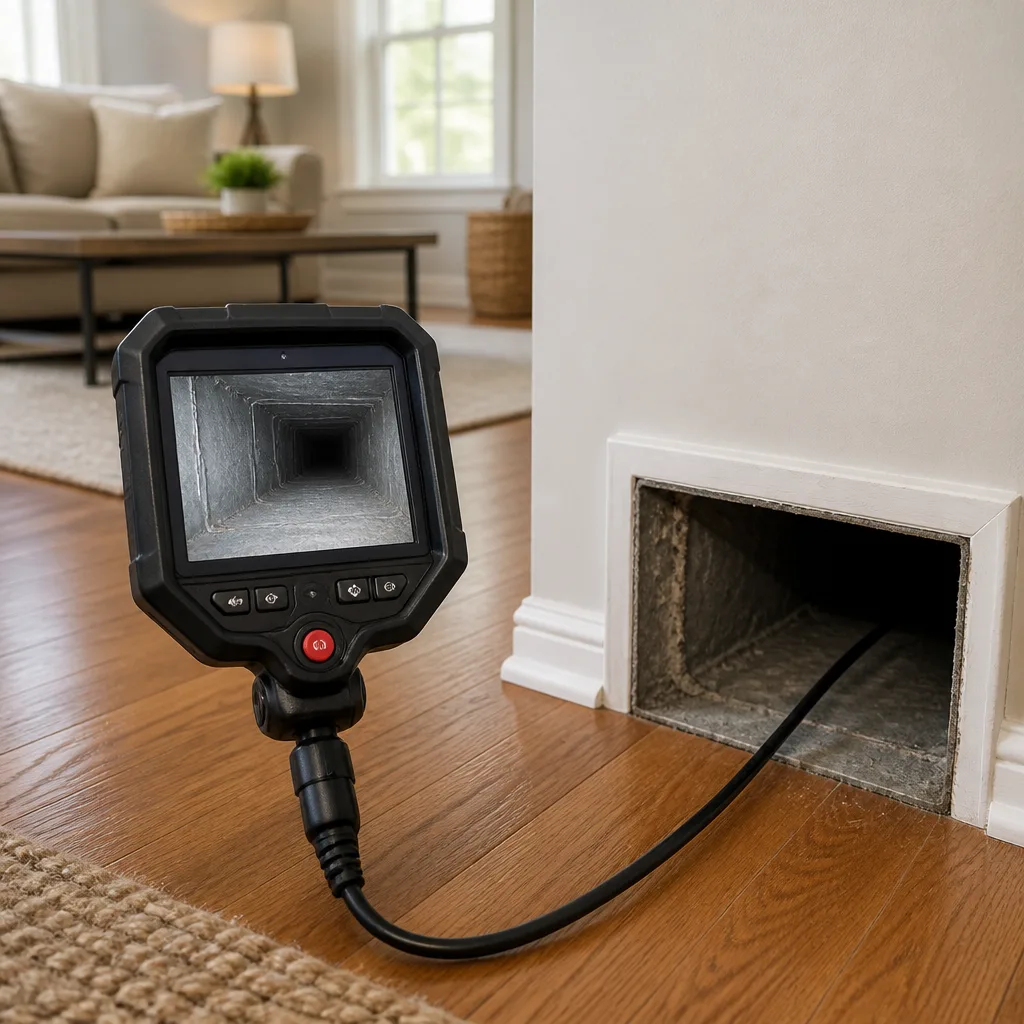 Camera inspection
 Sanitizing & deodorizing
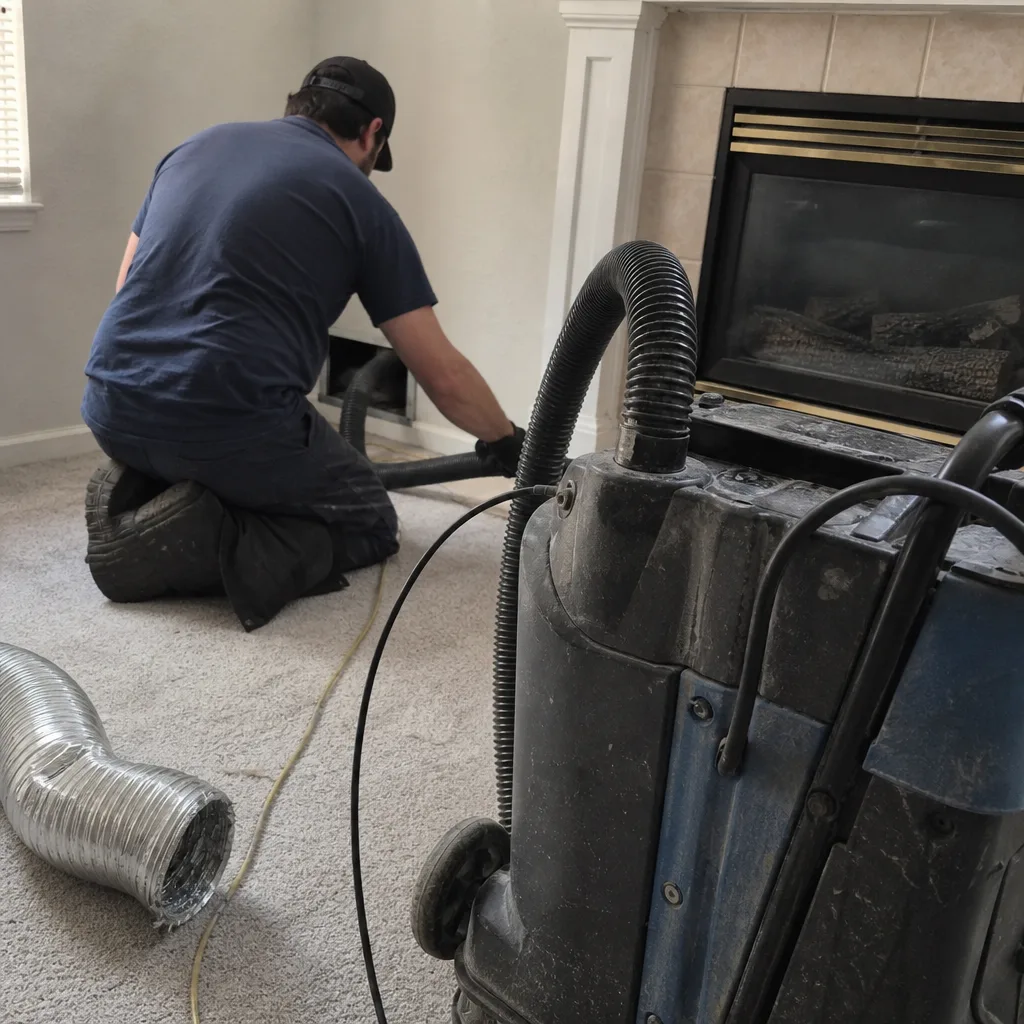
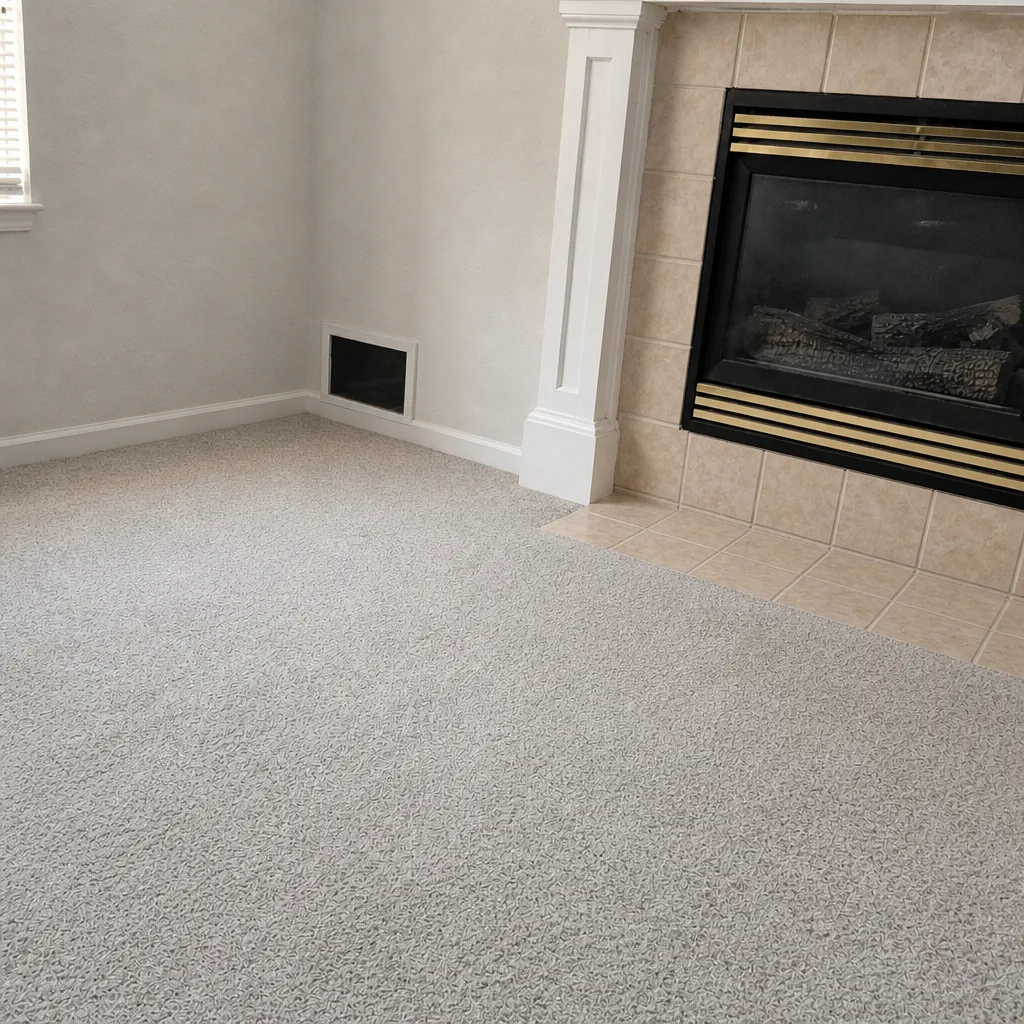
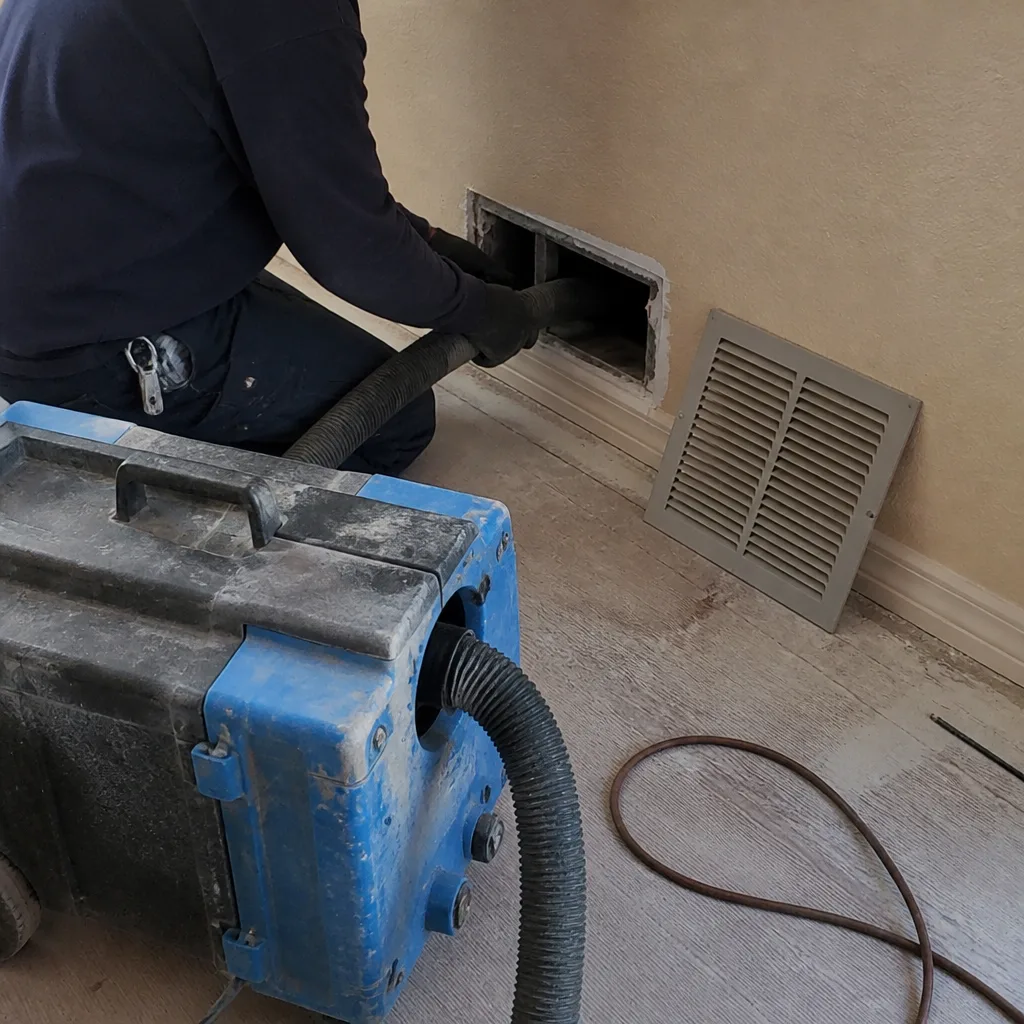
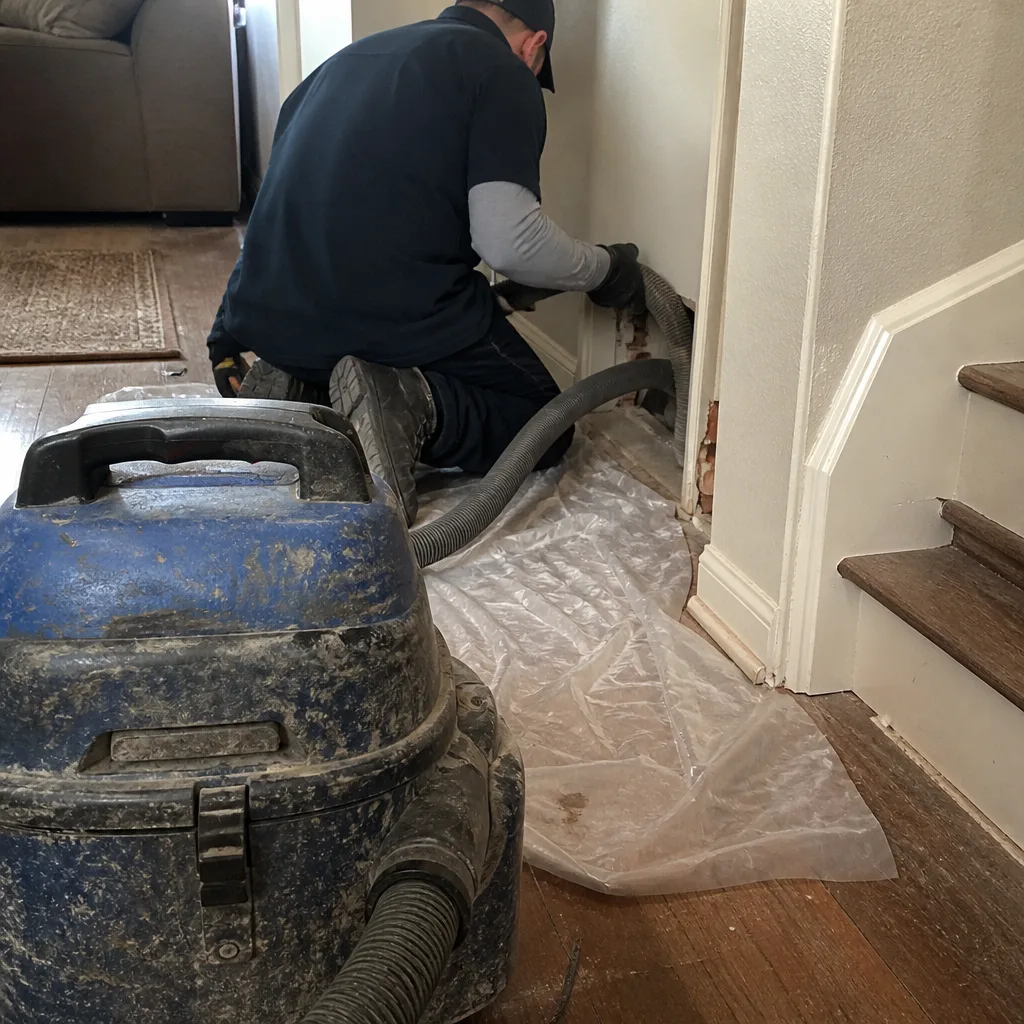
Whole-system duct and dryer vent check with before-and-after photos - you see exactly what came out of your vents
That "$99 whole-house special" is a bait ad - the real number appears once they are in your hallway, or the "clean" is a shop-vac at the register. We photograph the inside of your ducts before and after instead.
DIY vs Professional Air Duct Cleaning: The Highlands Ranch Homeowner’s Decision Guide
Renting a “duct cleaning kit” at a Highlands Ranch hardware store and attaching it to a household vacuum feels productive. It isn’t. A shop vacuum hooked to a spinning brush produces a small fraction of the negative pressure needed to pull debris out of a main trunk line, which is like trying to clean a swimming pool with a garden hose. What usually happens is the debris you loosen travels deeper into the system and settles where you can’t reach it. This guide separates the duct maintenance you can genuinely handle from the work that needs professional-grade equipment, and gives you a clear framework for deciding which side of that line your home sits on.
Quick Answer
Some duct maintenance is legitimately DIY: vacuuming registers, washing grilles, and changing filters. Cleaning the main trunk lines, return plenums, and air handler compartment is not, because those runs require sustained negative pressure and containment that consumer equipment can’t produce. If your Highlands Ranch home hasn’t had a professional cleaning in several years, has pets, recent renovations, or allergy concerns, schedule professional service rather than renting a kit.
Styles & brands we work with
- Whole-home duct cleaning
- Dryer vent cleaning
- Camera inspection
- Sanitizing & deodorizing
Table of Contents
- What’s Actually Within DIY Scope
- The Physics of Duct Cleaning: CFM, Static Pressure, and Why Suction Alone Isn’t Enough
- The Real Risks of Partial DIY Cleaning
- What You Can Do Between Professional Cleanings
- A Decision Framework for Highlands Ranch Homes
- Why Highlands Ranch Conditions Shape Your Duct Timeline
- What Professional Equipment Actually Does
- Common Mistakes to Avoid
- When to Call a Professional
- Frequently Asked Questions
What’s Actually Within DIY Scope
The line between homeowner-maintainable and professional-only work is clearer than most people expect. It falls right at the point where airflow leaves the branch runs and enters the main trunk, the return plenum, or the air handler cabinet. Everything before that line is surface work. Everything past it is system work.
Here’s how we break it down for homeowners:
- Register vacuuming: Yes. A brush attachment on a household vacuum, run briefly over each floor and wall register, pulls loose dust and hair off the grille face. This is maintenance, not cleaning.
- Grille washing: Yes. Most return air grilles pop off with a couple of screws or a latch. Wash them in a utility sink with mild soap, let them dry fully, and put them back.
- Filter changes: Yes, and this is the highest-value DIY task on the list. A clogged filter chokes the whole system.
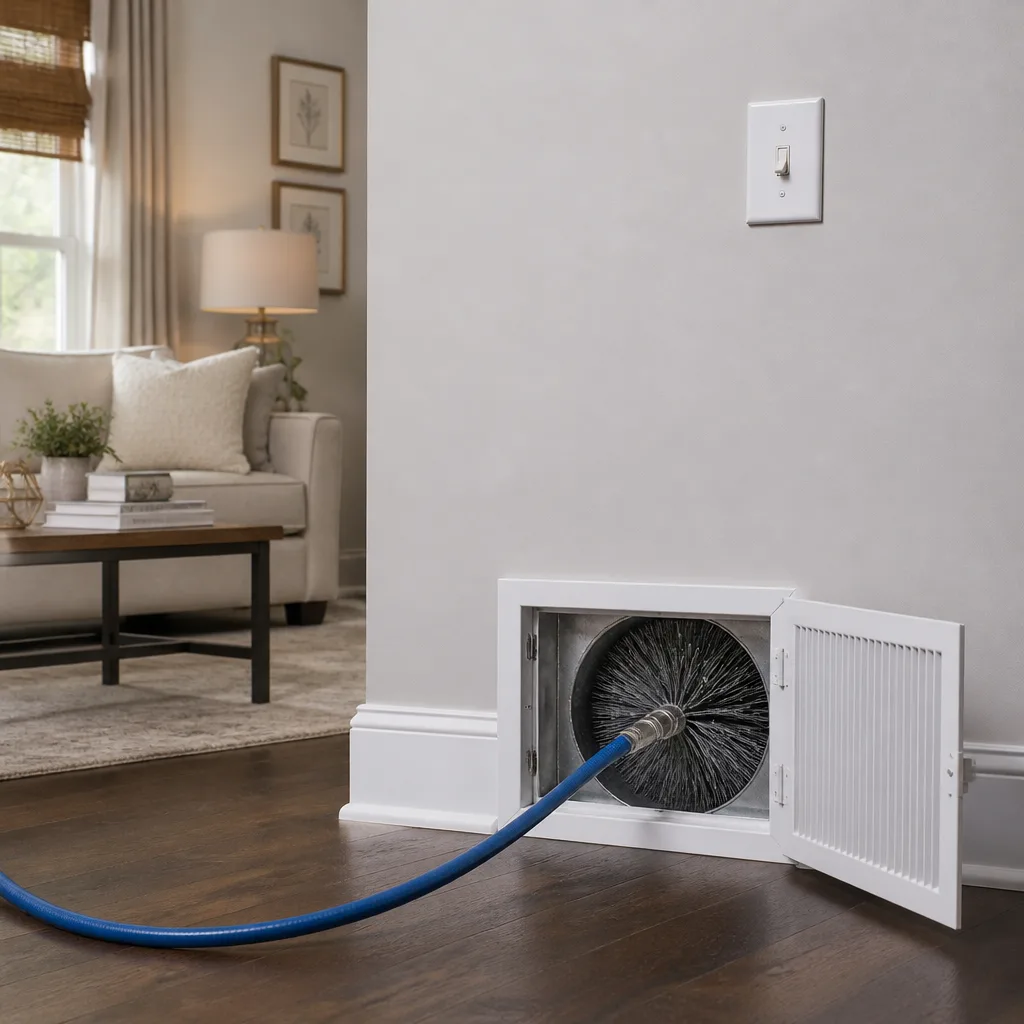
- Dryer vent brushing up to 6 feet: Yes, with a proper vent brush kit, if the run is short, straight, and accessible. Once the vent turns, elbows, or extends past roughly six feet, the brush can’t reliably follow the run.
- Visual inspection: Yes. A flashlight and a phone camera down a register boot shows you what the first few feet look like. Take pictures. It helps when you call.
- Main trunk lines: No. This is where the equipment gap matters most.
- Return air plenums: No. These are often the dirtiest runs in the house and the hardest to access safely.
- Air handler compartment: No. This is enclosed mechanical equipment with electrical components. Leave it to a technician.
If you are looking at professional air duct cleaning, the work that gets done is almost entirely on the “no” side of this list. That’s the point. The tasks you can handle are the ones that make the professional job last longer.
The Physics of Duct Cleaning: CFM, Static Pressure, and Why Suction Alone Isn’t Enough
Duct cleaning is a pressure problem before it’s a scrubbing problem. To lift settled debris from the bottom of a horizontal trunk line and carry it out of the system, a machine needs to move a meaningful volume of air (measured in cubic feet per minute, or CFM) while holding the duct under negative pressure. Household vacuums and rental kits generate impressive-sounding suction at the nozzle but very low CFM through a wide duct. Once the hose mouth is inside a 8-inch trunk, the airflow collapses. Debris lifts a few inches and drops.
Professional systems from Rotobrush and Nikro are built around this constraint. They combine high-volume negative pressure with an agitating brush or air whip, so the debris is loosened and captured in the same motion. Abatement Technologies equipment adds HEPA filtration and containment at the register opening, so the air coming out of the system during cleaning passes through a filter rather than into your living room.
Here’s the practical difference:
- Lift: Professional machines generate enough velocity inside the trunk to keep debris suspended long enough to reach the collection point.
- Contain: Every register being worked is sealed with a HEPA-filtered collection port, so dust goes into a bag, not into the room.
- Agitate: Rotating brushes and air whips reach the full circumference of the duct, including the top wall where gravity doesn’t help.
- Verify: Before-and-after photos of the interior of the duct show what was actually removed.
A rental kit hits step one poorly, skips step two entirely, and skips step three whenever the brush can’t navigate a turn. That’s not a knock on the tools. They’re designed for a different job.
The Real Risks of Partial DIY Cleaning
Attempting a full cleaning with consumer equipment isn’t just ineffective. In some cases it makes things worse. Three specific risks come up most often in Highlands Ranch homes:
Dislodged debris without capture. When you run a brush into a trunk line with inadequate negative pressure, you loosen material that then settles deeper in the system or drifts toward the air handler. The result is a system that was mildly dirty and is now dirty in a harder-to-reach place.
Punctured flex duct. Many Colorado homes use flexible duct in the branch runs, and the inner liner is thin. A stiff brush, a shop-vac wand pushed too hard, or a drill-mounted whip catches the liner and tears it. That tear becomes a pressure leak, which reduces efficiency and lets attic or crawlspace air into the supply stream. It doesn’t self-seal, and it isn’t always visible from the register.
Spreading contamination. If mold or heavy biological growth is present in the system, agitation without HEPA containment sends spores into the living space. This matters most for homeowners with asthma or allergy concerns, which is exactly the group most motivated to try DIY first. Professional air quality sanitizing after cleaning is the correct process when contamination is present, and it’s not a DIY-safe step.
We’d rather a homeowner vacuum their registers and leave the trunk lines alone than attempt a partial job with a rental kit. Half-measures in duct work tend to create more problems than they solve.
What You Can Do Between Professional Cleanings
The gap between professional cleanings is where most of the value of DIY maintenance lives. These are the tasks worth doing, and none of them require special equipment:
- Change the filter on schedule. Every one to three months for standard filters, more often during wildfire season or after a renovation. Use the filter size the air handler specifies, and don’t oversize the MERV rating beyond what the blower can handle.
- Vacuum the register faces monthly. A brush attachment, a few seconds per register. This keeps visible dust from migrating into the duct at every cycle.
- Wash return grilles twice a year. Pop them off, wash, dry, reinstall. It takes twenty minutes.
- Keep return air pathways clear. Furniture, rugs, and boxes pushed against return grilles choke the system and pull dust off the floor.
- Check the dryer vent lint trap every load. Empty the trap, inspect the flexible transition behind the dryer occasionally, and watch for lint blowing back into the laundry room. That’s a sign the vent needs service.
- Seal obvious leaks in accessible ductwork. Foil tape on clearly visible gaps at joints in an accessible attic or basement run helps. Duct tape (the cloth kind) fails quickly in Colorado’s temperature swings, so use foil-backed HVAC tape instead.
- Watch construction dust. Any renovation in a Highlands Ranch home – a basement finish, a kitchen remodel, new flooring – loads the ducts. Change filters more often for a few weeks afterward.
If you also want the dryer vent cleaning handled properly once a year, that’s a small professional job with real safety value. The National Fire Protection Association recognizes dryer vent cleaning as a home safety maintenance item, and a lint-clogged vent is one of the most avoidable fire risks in a house.
A Decision Framework for Highlands Ranch Homes
Whether DIY maintenance is sufficient or professional service is warranted comes down to five questions. Answer them honestly and the decision usually makes itself.
1. How old is the home?
Homes in Highlands Ranch range from the 1980s through new construction, and the original ductwork in older homes is now several decades into its service life. Ducts from that era weren’t always sealed well at the joints, and accumulated buildup is more likely. Newer homes have their own issues – construction debris left in the system during the build. Either way, homes past the ten-year mark without a documented cleaning lean toward professional service.
2. When was the last professional cleaning?
If you can’t name a date because you’ve never had one, or you’re not sure if the previous owner ever did, that’s your answer. Most guidance in the trade points to professional cleaning every three to five years for an average home, sooner under heavy load.
3. Do you have pets?
One dog or cat doubles the debris load. Two or more, especially in a home with carpet, and three years between cleanings starts to look like a long time. Hair and dander collect on duct walls and cling in ways ordinary household dust doesn’t.
4. Have you renovated recently?
Any renovation that disturbs drywall, framing, or flooring sends fine particulate into the returns. A professional cleaning after a major renovation is standard practice, and it prevents construction dust from staying in the system for years.
5. Anyone in the home with allergy or asthma concerns?
This is the strongest trigger. If someone in the household reacts to indoor air quality, the argument for professional cleaning plus proper filtration is much stronger than the argument for DIY. That’s a HVAC cleaning conversation too, since the air handler and evaporator coil carry as much load as the ducts themselves.
Here’s the mapping:
- DIY maintenance is sufficient if: the home is under ten years old, no pets, no recent renovation, no health concerns, and the ducts were cleaned within the last three years.
- Professional service is warranted if: two or more of the triggers above apply, or if you’ve never had a professional cleaning.
- Professional service plus inspection is essential if: there’s visible dust streaking at registers, musty odor when the system runs, visible mold, or pest activity in the ductwork.
Why Highlands Ranch Conditions Shape Your Duct Timeline
Highlands Ranch sits at roughly 5,800 feet in elevation, on the eastern edge of the Front Range. The climate here stacks up in a way that pushes duct systems harder than in many parts of the country.
Winter air is dry, and homes here run the furnace for months. That long heating season means a higher number of full-air exchanges through the system, which multiplies dust and debris circulation. The dry air also cracks seals at duct joints, which is why sealing matters as much as cleaning in this region.
Spring brings wind and dust off the plains, along with pollen. Homes open windows less than they would in a milder climate, so the burden falls on the HVAC and filter to manage indoor air. When filters get overwhelmed, they pass what they can’t catch downstream.
Summer wildfire smoke has become a recurring seasonal factor. Homes here run the system on recirculation more often during smoke events, which means whatever is in the ducts circulates more. That’s a strong argument for cleaning before the smoke season rather than after.
And the housing mix matters too. Basement finishes are common in Highlands Ranch, and every finished basement adds duct runs. If the finish was done after the home was built, some of those runs may not have been sealed or cleaned properly. Professional duct repair and sealing closes that loop, which is a big part of why we treat cleaning and sealing as one job rather than two.
What Professional Equipment Actually Does
The tool list matters less than what the tools allow a technician to accomplish. Here’s the honest version of what we bring and why:
- Rotobrush and Nikro duct cleaning systems: Purpose-built for residential ducts, with rotating brushes and whip attachments that agitate the full circumference of the duct. These aren’t consumer tools adapted to commercial work; they’re designed for this specific job.
- Abatement Technologies HEPA filtration and containment: Every register opening gets sealed with a collection port so the air coming out passes through HEPA filtration. This is the same containment standard used in remediation work.
- HEPA vacuums: Not shop vacuums. The difference is in the seal and the filtration rating.
- Inspection cameras: For before-and-after verification. We take photos of what came out and what the duct looks like when we’re done.
- Sealing materials and tools: For duct repair and sealing, using mastic and foil-backed tape rated for HVAC use. A cleaning that leaves leaks in place doesn’t fully deliver its value.
Our technicians have up to 15 years of experience, and they understand filtration and purification hardware from brands like Honeywell and Aprilaire, not just mechanical cleaning. That matters because the right filter setup depends on the air handler and the return configuration, and putting a high-MERV filter in a system that can’t move air through it can be worse than staying with a simpler filter.
Common Mistakes to Avoid
- Renting a duct kit without confirming the CFM rating. If the rental machine can’t sustain negative pressure in a wide duct, you’re redistributing debris, not removing it. In Highlands Ranch homes with long trunk runs, the gap matters more than in a compact single-story.
- Pushing a brush into flex duct without checking the liner. The inner liner tears easily, and a tear is a pressure leak that runs year-round.
- Ignoring the dryer vent because the ducts got cleaned. They’re separate systems. The dryer vent is a fire safety item and needs its own service.
- Oversizing the filter MERV rating. A filter that’s too restrictive chokes the blower and reduces airflow through the whole house. Match the filter to the system.
- Cleaning ducts without addressing visible leaks. Leaky ducts undo the value of a cleaning because unfiltered attic or crawlspace air gets pulled into the supply stream. Duct repair and sealing should be part of the same conversation.
- Skipping the air handler compartment. Cleaning ducts while leaving a dust-caked evaporator coil is a partial job. HVAC cleaning covers that component.
- Assuming a coupon price equals the final invoice. Ask what a flat rate covers before anyone starts. Whole-system cleaning is priced per system, not per vent, and the price should be agreed before the work begins.
When to Call a Professional
Call us if any of these apply: you’ve never had a professional cleaning, it’s been more than three years under heavy load (pets, renovation, allergies), you see dust streaking at the registers or smell mustiness when the system runs, the dryer is taking longer than it should to dry a load, or you’ve had visible mold or pest activity in the ductwork. Any of these is a straightforward reason to have a technician inspect the system in person. Air Duct Cleaning Highlands Ranch offers free estimates in Highlands Ranch – call (844) 443-4896. We answer 24/7. Fast dispatch from 7am to 7pm, Sunday through Friday.
Frequently Asked Questions
Whole-system cleaning in the Highlands Ranch market typically runs in the range of a few hundred dollars per system, priced per system rather than per vent, with the final price set by the written estimate before work starts. Beware of low teaser pricing; a written flat rate agreed up front is the fair comparison point. Call (844) 443-4896 for an exact quote – estimates are free.
Cheaper quotes usually skip containment, skip the air handler, or price per vent and then add charges once the technician is on site. The real difference is scope, not price. Ask what a quote includes: HEPA containment, register-by-register collection, air handler cleaning, and before-and-after photos. Call (844) 443-4896 and we’ll walk through exactly what’s included.
Ask for before-and-after photos of the duct interior. A professional service should be able to show you what was removed from your own system, not a stock image. Call (844) 443-4896 to book an inspection and see the process first-hand.
Most homes sit in the three to five year range between professional cleanings. Homes with pets, recent renovation, or allergy concerns land closer to three years. Homes with none of those factors can stretch to five. Call (844) 443-4896 for a specific recommendation based on your home.
Not the main trunk lines. Rental kits don’t generate enough sustained negative pressure to extract debris from trunk runs, and in Highlands Ranch homes with long trunk and return runs, the gap between rental and professional equipment is the widest. Register vacuuming and filter changes are the safe DIY tasks.
Short, straight, accessible dryer vents can be brushed with a proper vent brush kit. Once the run has elbows, extends past about six feet, or is hard to reach, professional service is safer and more thorough. Dryer vent cleaning is a fire safety matter recognized by the National Fire Protection Association. Call (844) 443-4896 to schedule.
The Bottom Line
DIY duct maintenance is real, but it’s limited. Registers, grille faces, and filter changes are yours to handle, and they genuinely extend the life of a professional cleaning. Main trunk lines, return plenums, and the air handler compartment are not DIY territory, because the equipment gap between a rental kit and a professional system is about pressure and containment, not effort. Use the framework above to decide whether your Highlands Ranch home needs professional service now or can wait. When it can’t wait, or when you’re not sure, a free estimate tells you what your system actually looks like. Call (844) 443-4896. We answer 24/7. Fast dispatch from 7am to 7pm, Sunday through Friday. The written estimate sets the price before any work begins, the technician’s before-and-after photos verify the job, and when we find leaks in the system, we can seal them in the same visit rather than sending you to a second contractor.
Written by the team at Air Duct Cleaning Highlands Ranch.
See the difference
 Before
 After
 Before
 After
 Before
 After