
Last updated November 23, 2026
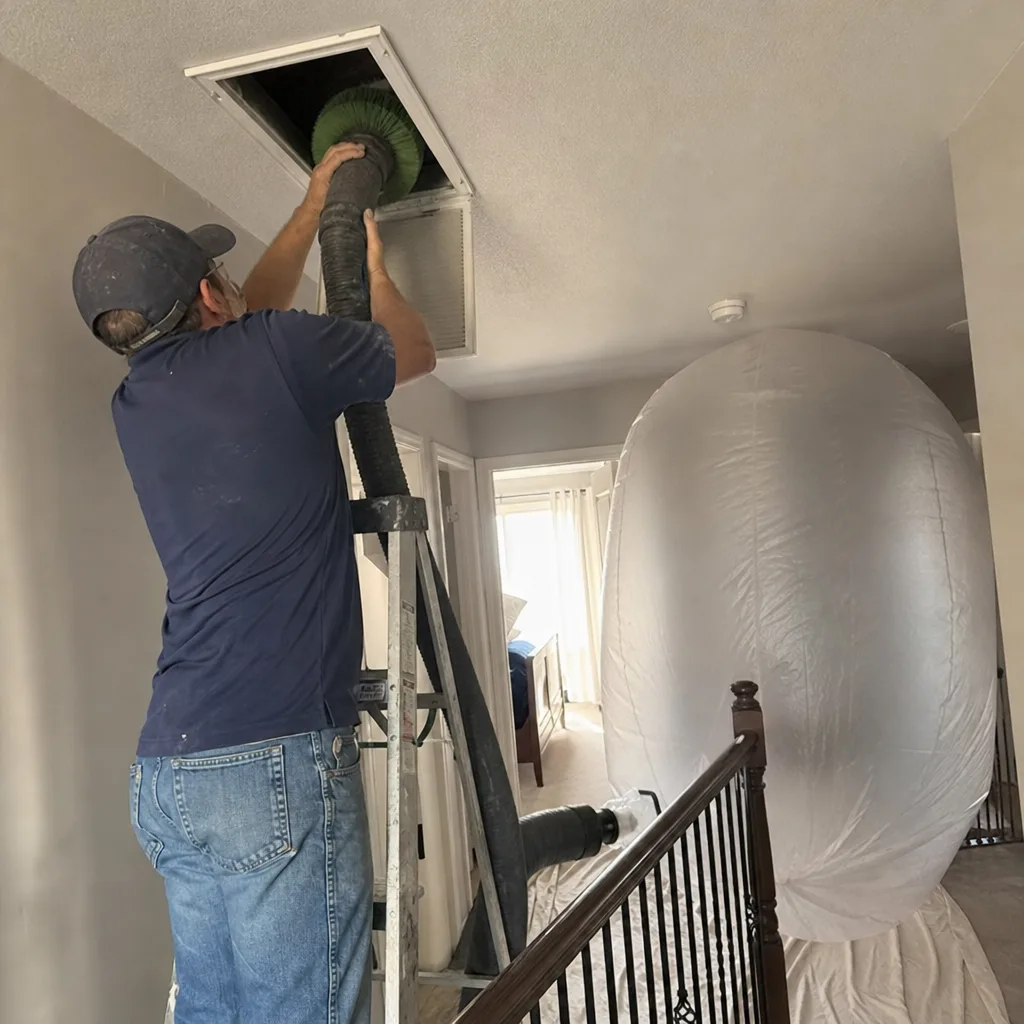
 Whole-home duct cleaning
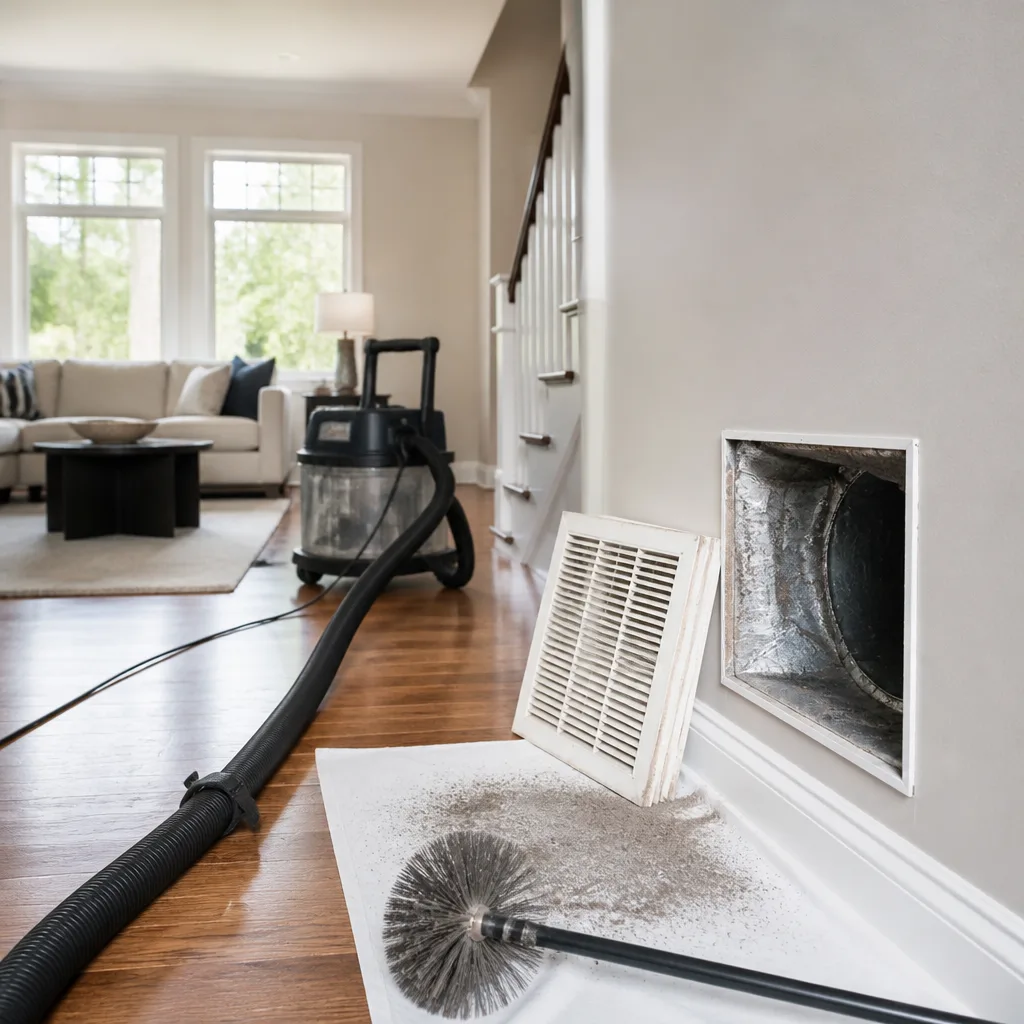
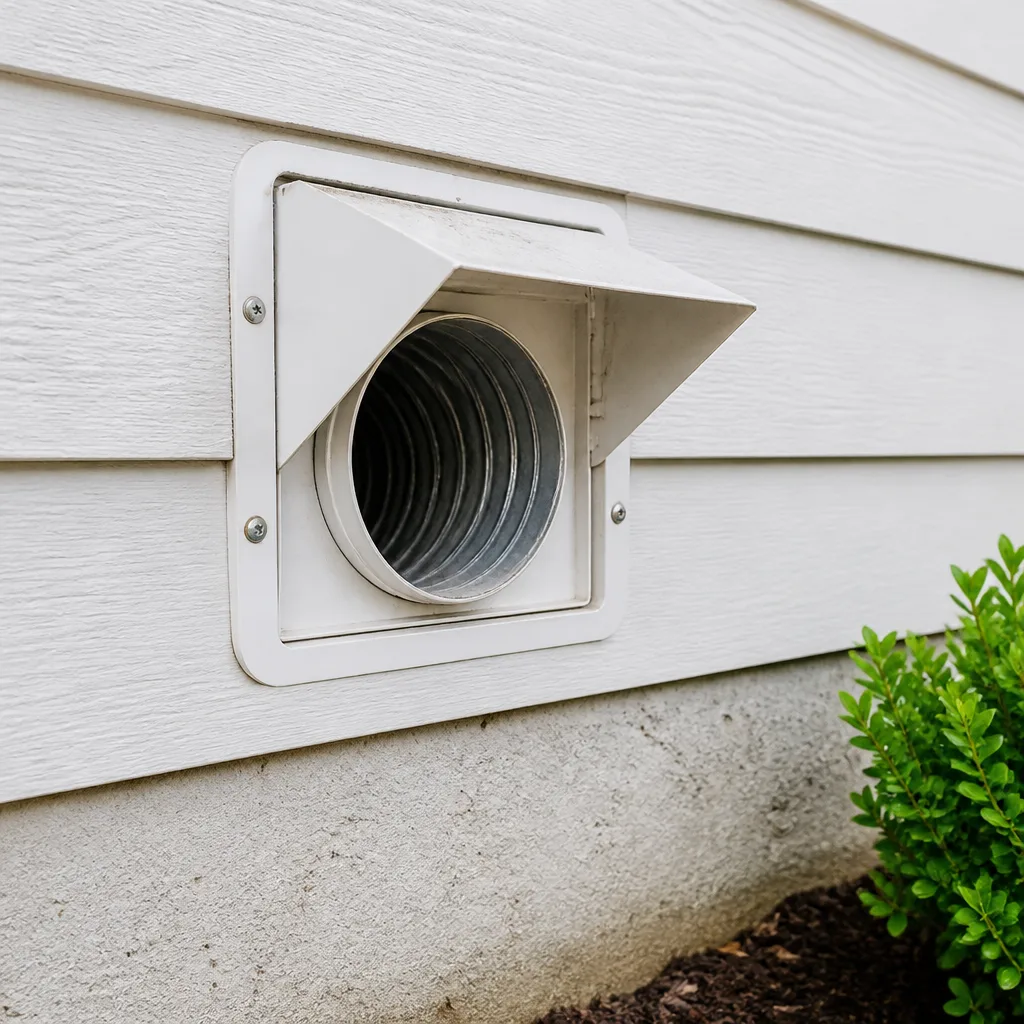 Dryer vent cleaning
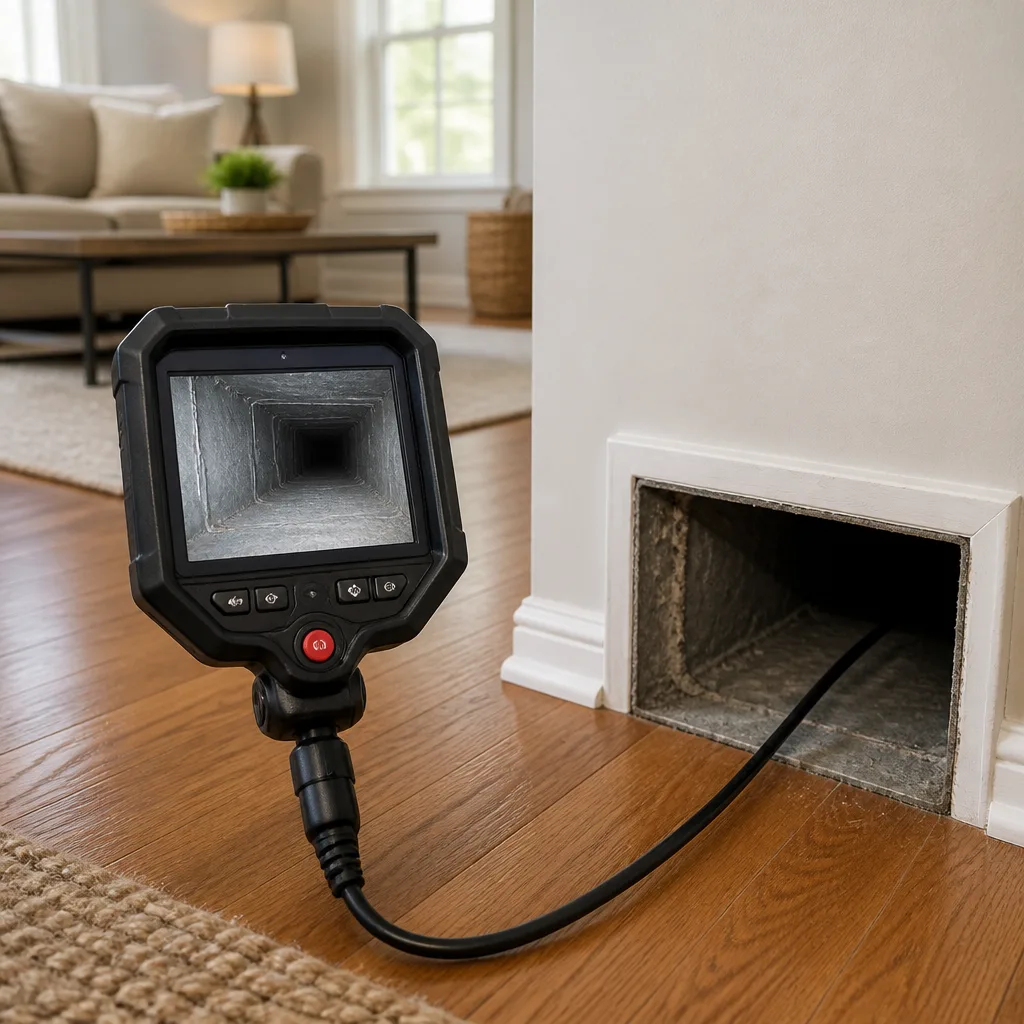 Camera inspection
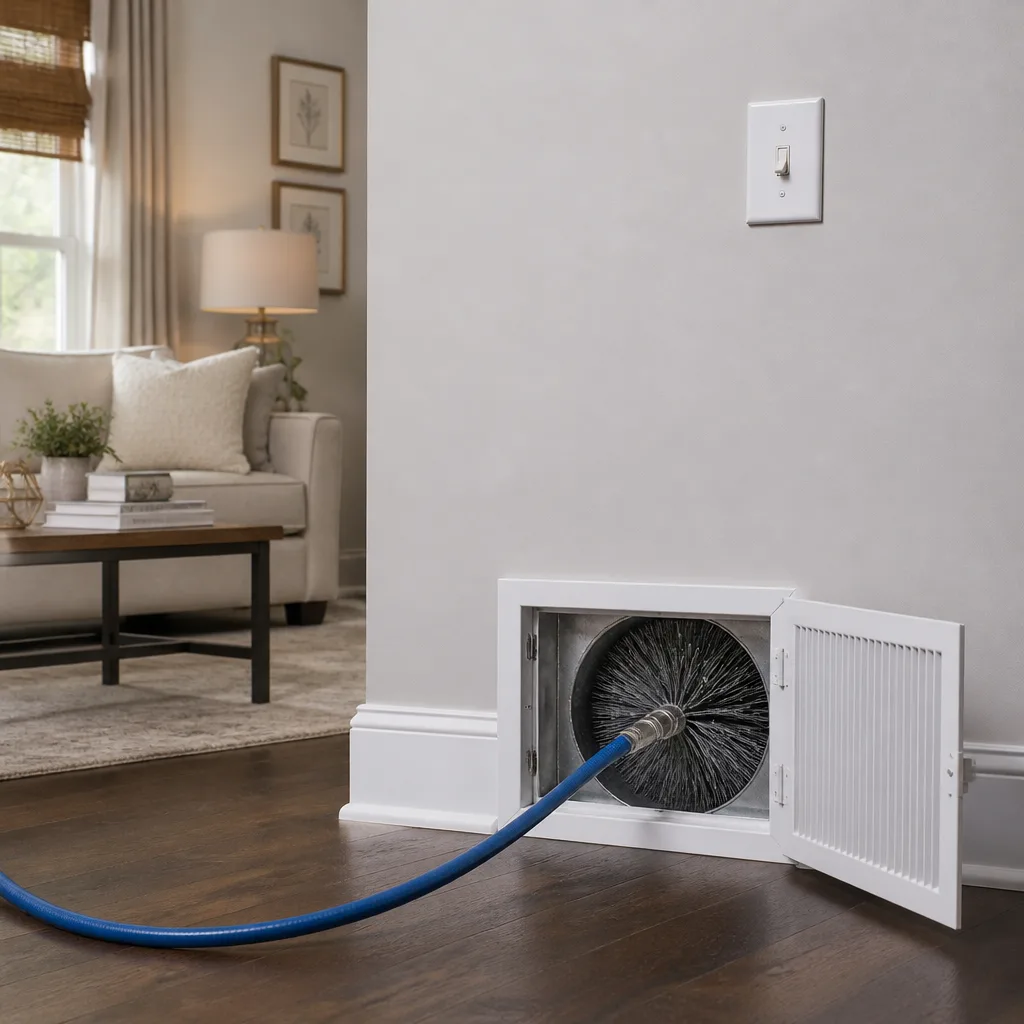 Sanitizing & deodorizing
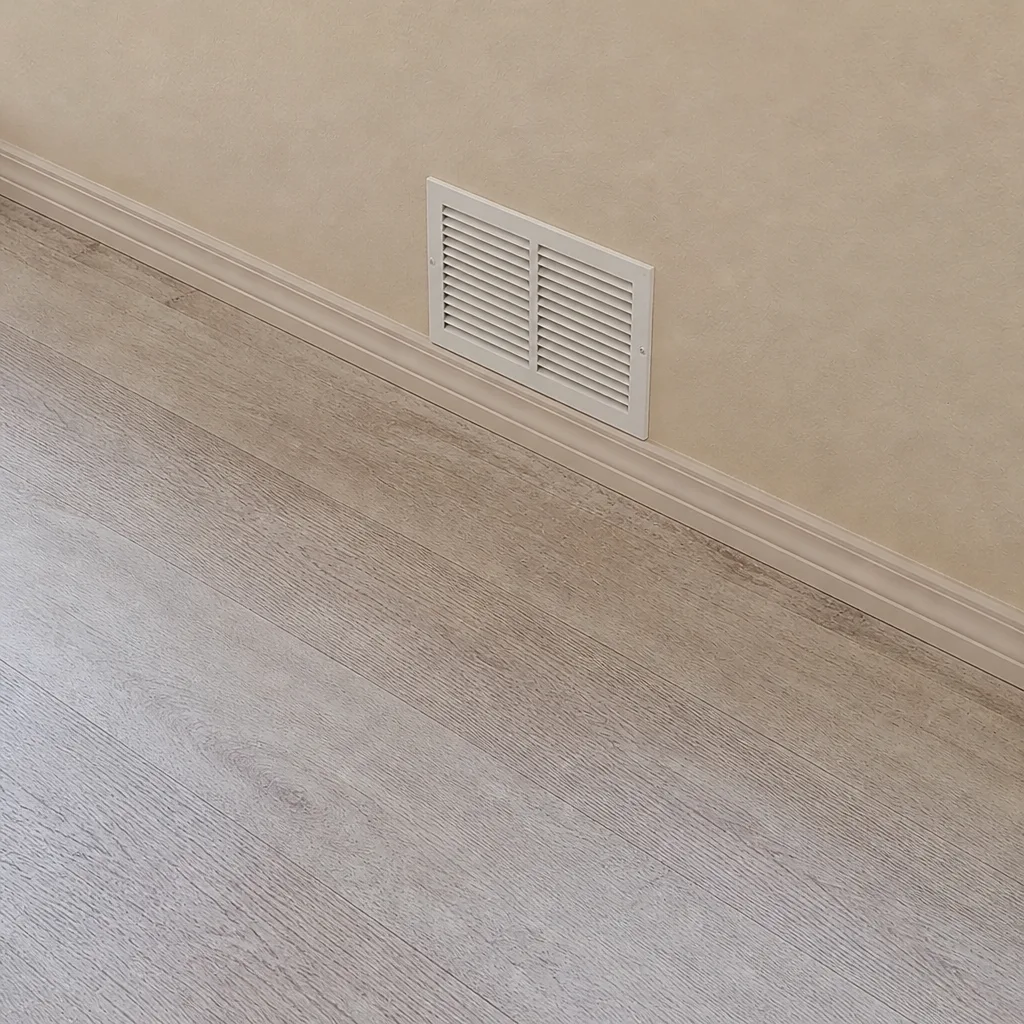
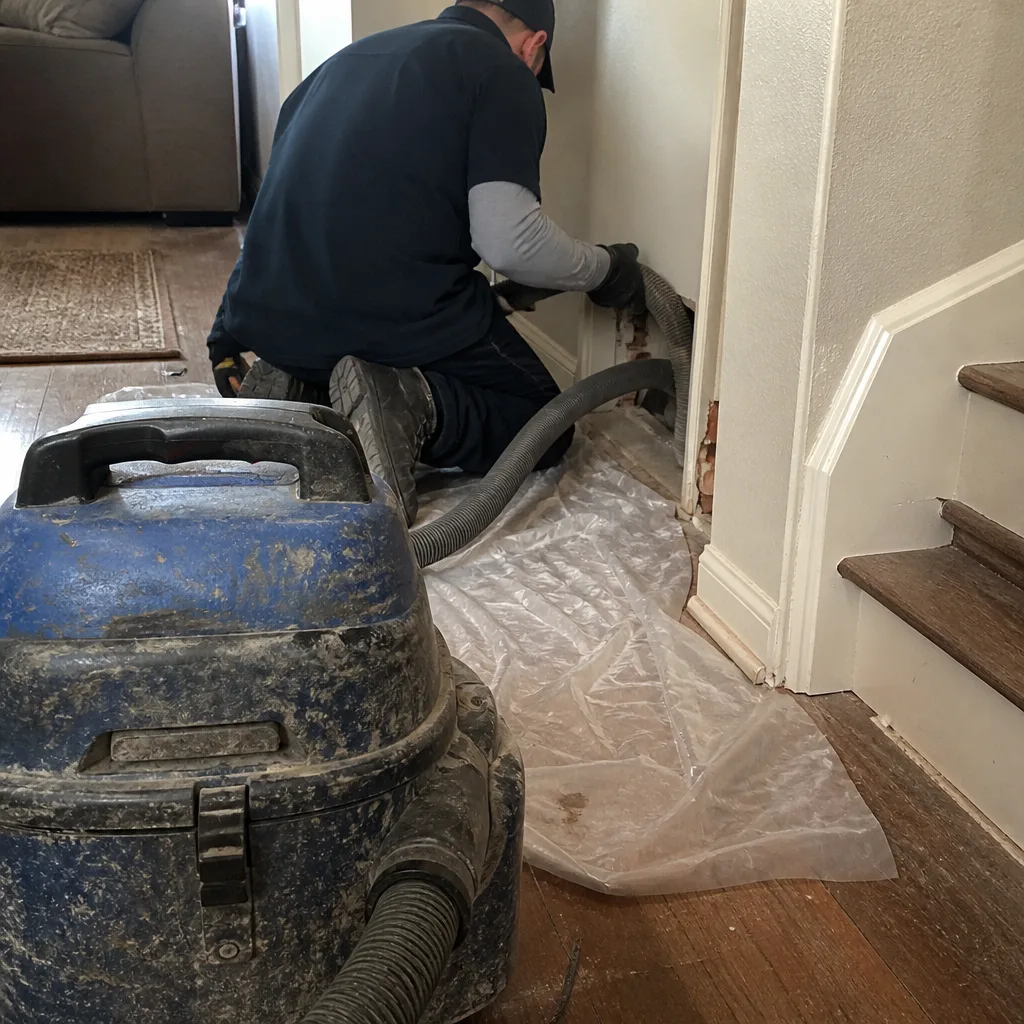
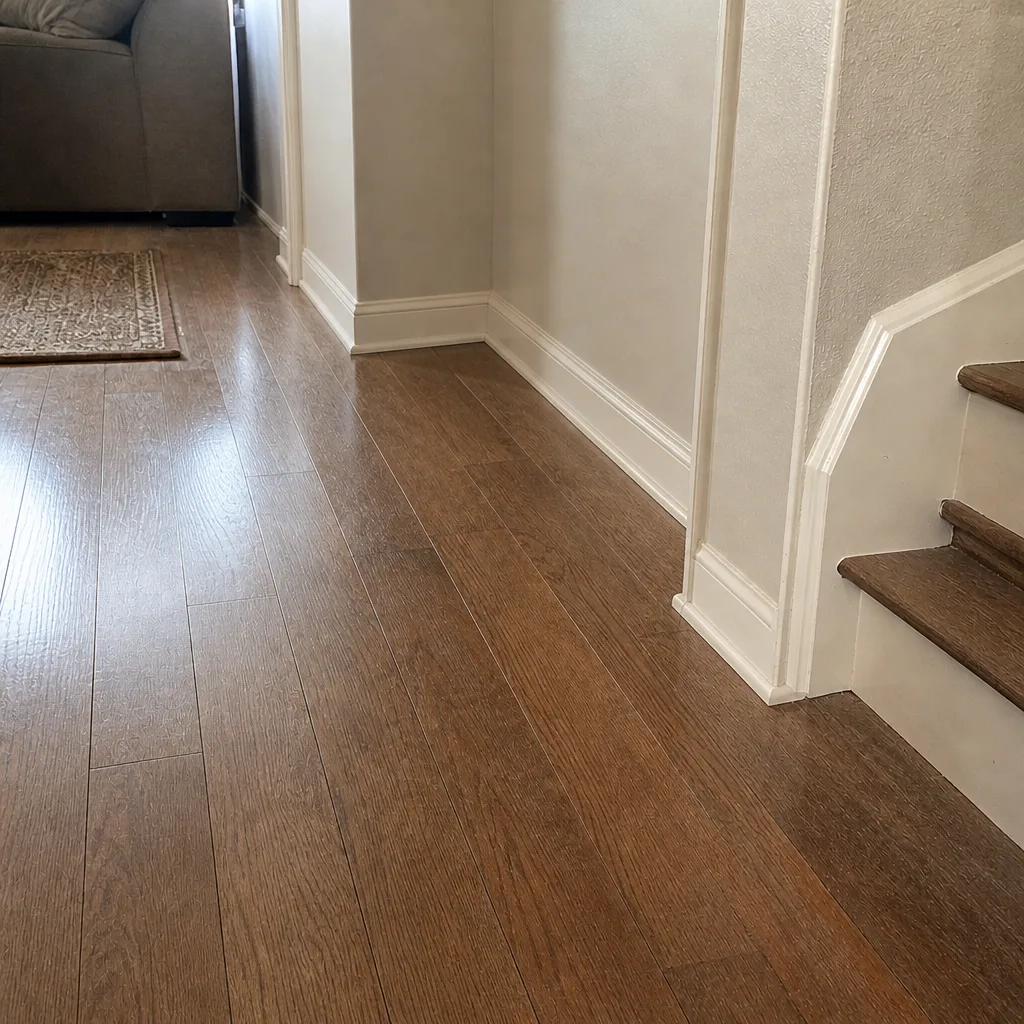
Whole-system duct and dryer vent check with before-and-after photos - you see exactly what came out of your vents
That "$99 whole-house special" is a bait ad - the real number appears once they are in your hallway, or the "clean" is a shop-vac at the register. We photograph the inside of your ducts before and after instead.
Seasonal Air Duct Cleaning Care for Highlands Ranch: Year-Round Homeowner’s Guide
Most homeowners here schedule duct cleaning on the same calendar cue every year: spring cleaning season arrives, they book a service, and the system gets cleaned before the heaviest debris load has even reached it. In Highlands Ranch, that order is backwards. Our heating season runs long enough that by January the ducts have already collected a full winter of recirculated dust, while the spring wind and pollen events that actually load a system don’t peak until late April. If your service date is arbitrary rather than reaction-driven, you’re spending money without targeting the conditions that matter. This guide breaks Highlands Ranch’s year into four working seasons, explains what each one does to your HVAC system, and gives you a decision trigger for every one of them.
Quick Answer
Seasonal duct care in Highlands Ranch works best when it follows observable conditions rather than a fixed month: clean after the spring wind-and-pollen load (late April to early May), inspect before the first heat cycle in fall, and address filtration and sealing around wildfire smoke season in summer. A single well-timed full-system cleaning plus targeted filter changes through the year is more effective than an arbitrary annual appointment. If you want the short version, track three things: filter loading, visible dust at supply vents, and any change in airflow.
Styles & brands we work with
- Whole-home duct cleaning
- Dryer vent cleaning
- Camera inspection
- Sanitizing & deodorizing
Table of Contents
- Why Highlands Ranch’s Four Seasons Stress Your Ducts Differently
- Spring: The Wind and Pollen Load (Late April to Early May)
- Summer: Wildfire Smoke and the Return Air Problem
- Fall: Clearing the System Before the First Heat Cycle
- Winter: Closed-House Recirculation and Low Humidity
- The Decision Trigger Framework: When to Actually Schedule
- Building a Twelve-Month Care Calendar
- What Professional Equipment Actually Changes
Why Highlands Ranch’s Four Seasons Stress Your Ducts Differently
Highlands Ranch sits on the south metro front range where the seasons don’t blur into each other. Winters hold cold enough for sustained heating runs. Springs bring the wind events that lift soil and pollen across open ground. Summers reach the high nineties and push cooling systems hard for weeks at a time. And the fall transition is short, often collapsing into winter in a matter of days. Each of those phases puts a different strain on the same duct system, and each one leaves behind a different kind of debris.
What that means practically is that a duct system here lives through four distinct loading cycles a year, not one. Heating season loads dry dust and lint from recirculated indoor air. Spring introduces outdoor particulate through open windows and through the return path. Summer brings smoke particulate into the return air whenever the system runs with windows cracked or the fresh-air intake open. Fall deposits the accumulated summer residue into the plenum and heat exchanger area just as the blower starts running long cycles again.
If you clean once a year on an arbitrary date, you’re only catching part of that cycle. The transition moments are where the real value is. Cleaning right before a season begins means you enter it with a clean system. Cleaning right after means you remove what the season deposited. The choice between those two approaches depends on which season you’re talking about, and the rest of this guide works through that season by season.
One thing worth understanding up front: ducts, vents, the HVAC unit itself, the seals, and the filtration hardware all sit in the same airflow picture. Cleaning one without examining the others rarely delivers the air quality result homeowners expect. That’s why we approach this as a full-system job rather than a duct-only service, and why a seasonal framework makes more sense than a single annual appointment. For a general overview of what the core service involves, see our air duct cleaning page.
Spring: The Wind and Pollen Load (Late April to Early May)
Late April through early May is the heaviest debris period of the Highlands Ranch year, and it’s the single most important window for scheduling. Three things converge at once: sustained spring wind events that lift soil and particulate across open ground, tree and grass pollen release, and the open-window habit that comes back the moment temperatures moderate. For two to three weeks, homes here pull in far more outdoor particulate than at any other point in the year.
The open-window factor is easy to underestimate. A house that’s been sealed for heating season suddenly has windows and doors open for hours at a time, and every one of those hours brings pollen and dust into the living space. Airborne particulate settles on surfaces, gets picked up by return grilles, and enters the return duct path. By the time mid-May arrives, the return side of most systems here has collected a visible layer.
What that means for timing:
- Clean after the peak, not before it. A cleaning in mid-April is undone by the pollen load three weeks later. Target the back half of May.
- Inspect filters twice during this window. Standard filters load fast in a pollen-heavy spring and a loaded filter restricts airflow across the coil.
- Check supply and return grilles by hand. A visible film on the return grille in late May is your signal to move the cleaning forward.
- Leave the windows closed during high-wind days. It sounds obvious, but it’s the single highest-impact behavior change during the spring window.
Spring is also the right time to look at the return grille and duct openings that feed the system rather than just the supplies. Debris enters through the return path first, and a spring inspection that focuses there will tell you more about cleaning need than looking at supply vents alone. If you notice gaps around the return boot where it meets the wall or floor, that’s a leak that will pull attic or crawlspace air into the system, and it should be addressed before it undoes a cleaning. We cover that repair work on our HVAC cleaning page.
Summer: Wildfire Smoke and the Return Air Problem
Summer in Highlands Ranch is when the air quality conversation changes from pollen to smoke. Front range wildfire smoke events have become a predictable part of the season, and what makes them relevant to duct care is the return air system. Every time your HVAC system runs, it pulls air from the return grilles, passes it across the blower and coil, and pushes it back through the supplies. During a smoke event, that return air carries fine particulate into the system and eventually into the living space.
Standard MERV filters help with larger particles but are limited against the fine fraction of smoke, which is the part that matters for indoor air quality. A standard MERV 8 filter catches a useful share of coarse particulate but does not reliably capture fine smoke particulate. Going to a high-MERV filter isn’t a simple answer either: a filter rated MERV 13 or higher can restrict airflow on a system not designed for it, which stresses the blower and the coil. That’s one reason filter selection here is a system-level question, not a swap-the-cartridge exercise. We work with filtration hardware from Honeywell and Aprilaire, and matching filter media to the blower’s rated static pressure is the part most homeowners never hear about.
Where temporary sealing of the outdoor air intake is warranted:
- When regional smoke is at its worst and the system is running. If your home has a fresh-air intake tied to the HVAC system, closing or dampening it during a heavy smoke event reduces smoke drawn directly into the return.
- When you can see visible haze indoors with windows closed. That’s a sign the intake path is contributing and worth sealing for the duration of the event.
- When the intake is a simple louvered wall opening rather than a motorized damper. A temporary cover is straightforward on a fixed opening; never seal an intake that also serves combustion air for a gas appliance.
After a smoke event, that’s the moment to consider whether a cleaning or a duct-side air quality pass makes sense. Smoke particulate settles in the return path and on duct surfaces, and if it’s not removed, the next cooling cycle pushes a portion of it back into the living space. Portable Abatement Technologies filtration units are the standard we use for containment during service, and they’re the reason smoke residue doesn’t become a second exposure event during the cleaning itself.
Fall: Clearing the System Before the First Heat Cycle
The fall transition is short here. Cooling season ends, heating season begins, and the gap between them is often a matter of days. That short window is exactly why the blower compartment and the area around the heat exchanger should be cleared before the first sustained heat cycle. During cooling season, the system runs long cycles pulling moisture-laden air across the coil. When the season ends, that air path, the blower wheel, and the surrounding surfaces still hold the accumulated dust and lint from the summer. The first heat cycle pushes air through exactly that deposit.
Fall is also the point where the duct and HVAC unit should be inspected as a system rather than separately. The specific things worth checking:
- The blower compartment. A dust-loaded blower wheel moves less air, and the first heat cycle bakes that deposit onto the surfaces.
- The area around the heat exchanger. Lint accumulation near the heat exchanger is a safety concern independent of efficiency. This is a component where a trained professional should be doing the inspection, not the homeowner.
- The filter and filter housing. A summer of smoke events and high-usage cooling typically leaves the filter loaded. Replace it before the first heat cycle.
- Duct seams and joints. Cooling-season vibration loosens taped joints, and any leak in a supply duct pushes heated air into an unconditioned space.
Fall is also the best time of year here to address a duct leak. The system is about to start running long heat cycles, so sealing a leak now gives you a full heating season of benefit rather than catching it mid-winter. Cleaning without sealing means the leak keeps pulling attic or unconditioned air into the supply path, and the cleaning’s effect fades within weeks. Cleaner ducts only matter if the system isn’t leaking, and that’s the reasoning behind treating repair and sealing as part of the fall pass. If you want to see what the full-system approach covers, our Air Duct Cleaning Highlands Ranch page walks through the scope.
One safety note worth stating plainly: the heat exchanger is a genuine safety component, and any inspection of the flue, the exchanger, or the area immediately around it belongs to a trained professional. Do not open a panel to “take a look yourself” on that part of the system. A competent technician will handle it as part of the cleaning visit, and the cost of a proper inspection is trivial compared to what a missed exchanger crack can mean.
Winter: Closed-House Recirculation and Low Humidity
Winter is Highlands Ranch’s longest uninterrupted recirculation season. From roughly late October through March, homes run with windows closed and the heating system cycling for hours at a time. Every one of those cycles pulls air from the return path, across the blower and heat exchanger, and back into the living space. Nothing escapes. A house recirculating its own air for five months accumulates dust on every duct surface, on the blower wheel, and on supply grilles far faster than it would during a season with windows open.
Low humidity changes the character of that dust. In a heating season with dry indoor air, dust tends to stay airborne longer and settle more slowly, and the accumulation on surfaces and grilles builds in a fine, persistent layer. That’s a different problem than the wet, clumping dust of a humid summer climate. It also means you’ll notice the difference first at supply vents and on the return grille rather than on furniture surfaces.
Winter is not typically a cleaning season. It’s an observation season. The signs to track:
- Visible fine dust on supply grilles within a week of wiping them
- A change in airflow at a register that felt stronger in October
- Dust visible on the return grille at the start of a heating cycle
- Static cling and dust on interior surfaces through the dry months
- Any persistent musty or dusty smell when the heat first comes on each cycle
If a dwelling has been through a winter without a cleaning and shows most of those signs by February, the spring cleaning should move earlier and become the first priority of the year, not the May appointment. A home that has been recirculating for five months with a loaded filter has a heavier deposit in the return path than one that was cleaned the previous fall, and that’s why the first cleaning after a full heating season is often the most valuable of the year.
If a heating failure shows up in the middle of winter, that’s a service call, not a duct cleaning decision. Call (844) 443-4896. We answer 24/7, and a call outside dispatch hours is booked into the next opening, Sunday through Friday, 7am to 7pm.
The Decision Trigger Framework: When to Actually Schedule
“Clean every spring” isn’t a decision framework; it’s a habit, and it’s often the wrong one. The better approach is to watch for observable conditions in each season and to schedule a cleaning when one is present. That way the appointment is doing real work rather than marking a date on the calendar. Here is the trigger list we’d use if it were our own home in Highlands Ranch.
Spring triggers (mid-March to mid-May):
- Visible film on the return grille after a stretch of high-wind days
- Filters loading completely within three to four weeks
- Family members reporting allergy-like symptoms indoors during the pollen peak
- A cleaning at least twelve months in the rear view mirror and the return path not inspected since
Summer triggers (June to early September):
- Any regional smoke event that forced you to close windows for days at a time
- A visible dust line around supply registers after the smoke season
- An unexplained musty smell when the cooling system runs
- A homeowner or technician note that the filter has been running near-loaded for part of the season
Fall triggers (mid-September to October):
- The first heat cycle produces a visible dust puff from a supply register
- Airflow measured at a register doesn’t match the previous fall
- Visible dust or lint around the blower compartment opening
- A duct seam that has loosened and shows a visible gap
Winter triggers (November to early March):
- Visible fine dust returning to supply grilles within a week of wiping
- An unusual smell when the heat runs
- A filter that loads within four to six weeks
If one or more of these is present, the cleaning is justified on real evidence. If none are, a cleaning can wait, and that’s a fair answer we’d give a homeowner asking whether they need the service right now.
Building a Twelve-Month Care Calendar
A practical annual plan for a Highlands Ranch home runs roughly like this. This is the short-form version, and it’s designed so each step aligns with the season’s actual conditions rather than a fixed spring date.
- February: Check the filter and note the airflow strength at two or three registers you use as a baseline. If dust is returning to grilles fast, plan the cleaning for early spring.
- Late March to April: Replace the filter ahead of the pollen peak. Inspect return grilles by hand. Don’t clean yet if you’re in a typical year; the heavy load hasn’t landed.
- Late April to mid-May: Schedule a full-system cleaning after the pollen and wind peak. Walk the technician through any duct leak you’ve noticed.
- June: Decide on filtration hardware for the smoke season. If you don’t already have one, ask about a higher-capacity filter housing matched to your blower’s rating.
- July to early September: Watch regional smoke forecasts. Close or dampen the fresh-air intake during a heavy smoke event. Replace the filter after any multi-day smoke event.
- Mid-September to October: Arrange a fall inspection before the first sustained heat cycle. That means the blower, the filter housing, the duct seams, and a professional look at the heat exchanger area.
- November: Replace the filter for the heating season. Note the baseline airflow again.
- December to February: Watch for the winter signs. If they’re present, plan a cleaning for the first stable weather window.
This is a working plan, not a rigid one. A heavier-than-normal wildfire year shifts the summer step earlier; a mild winter may let the spring cleaning slip to June. What matters is that each action aligns with the actual seasonal load on the system, which is the same year after year in this part of the south metro.
What Professional Equipment Actually Changes
The single strongest predictor of a good duct cleaning is the equipment used and the containment around it. Our technicians work with Rotobrush and Nikro equipment, which are purpose-built duct cleaning systems rather than consumer or shop-vac adapters. The difference shows up in three places: the agitation that loosens deposits from duct walls, the negative pressure that holds them until they’re extracted, and the containment that stops the process from contaminating the living space mid-clean.
Containment is the part homeowners rarely ask about, and it’s the one that matters most. Portable Abatement Technologies filtration and negative air units are the same standard used in remediation work, and they’re the reason a duct cleaning in an occupied home doesn’t leave a fine layer of particulate on every surface by the time the technician leaves. That’s also the reason we photograph before and after in the duct runs we clean rather than asking you to take it on trust.
Our technicians bring up to 15 years of experience to this work, and the equipment is matched to the job rather than to a consumer price point. The company connects homeowners with independent local professionals, which means the person on site is a vetted local technician, licensed and insured as their state requires, and the price is set per job by a written estimate before work begins. For the fire-safety side of home maintenance, our dryer vent cleaning service follows the same standard; it’s a NFPA-recognized maintenance item that most duct-only companies don’t offer at all.
Common Mistakes to Avoid
- Cleaning before the spring peak rather than after. A March cleaning in Highlands Ranch usually gets undone by the wind and pollen load within six weeks. Target late April through mid-May instead.
- Cleaning without addressing leaks in the same visit. A duct leak pulls attic or unconditioned air back into the supply path, and a cleaning on a leaking system fades within weeks. Have the seams checked while the system is open.
- Swapping to a high-MERV filter without checking the blower rating. A filter the system isn’t designed for restricts airflow across the coil. Match filter media to the equipment rather than chasing the highest number available.
- Skipping the fall inspection because the cleaning was done in spring. The blower, the heat exchanger area, and the duct seals need their own look before the first heat cycle, and they’re separate from the cleaning itself.
- Leaving the outdoor air intake open during a smoke event. The intake is a direct path for smoke particulate into the return air and it’s easily closed or dampened for the duration of the event.
- Waiting for a “musty smell” before checking filters in a dry winter. Low-humidity heating season doesn’t produce the smell cues of a humid climate, so filters need checking rather than waiting for a symptom.
- Taking a cheap coupon quote at face value. A low opening price that becomes a much larger invoice once the technician arrives is the pattern most homeowners want to avoid. Ask for a written estimate upfront and a per-system price before work starts.
See the difference
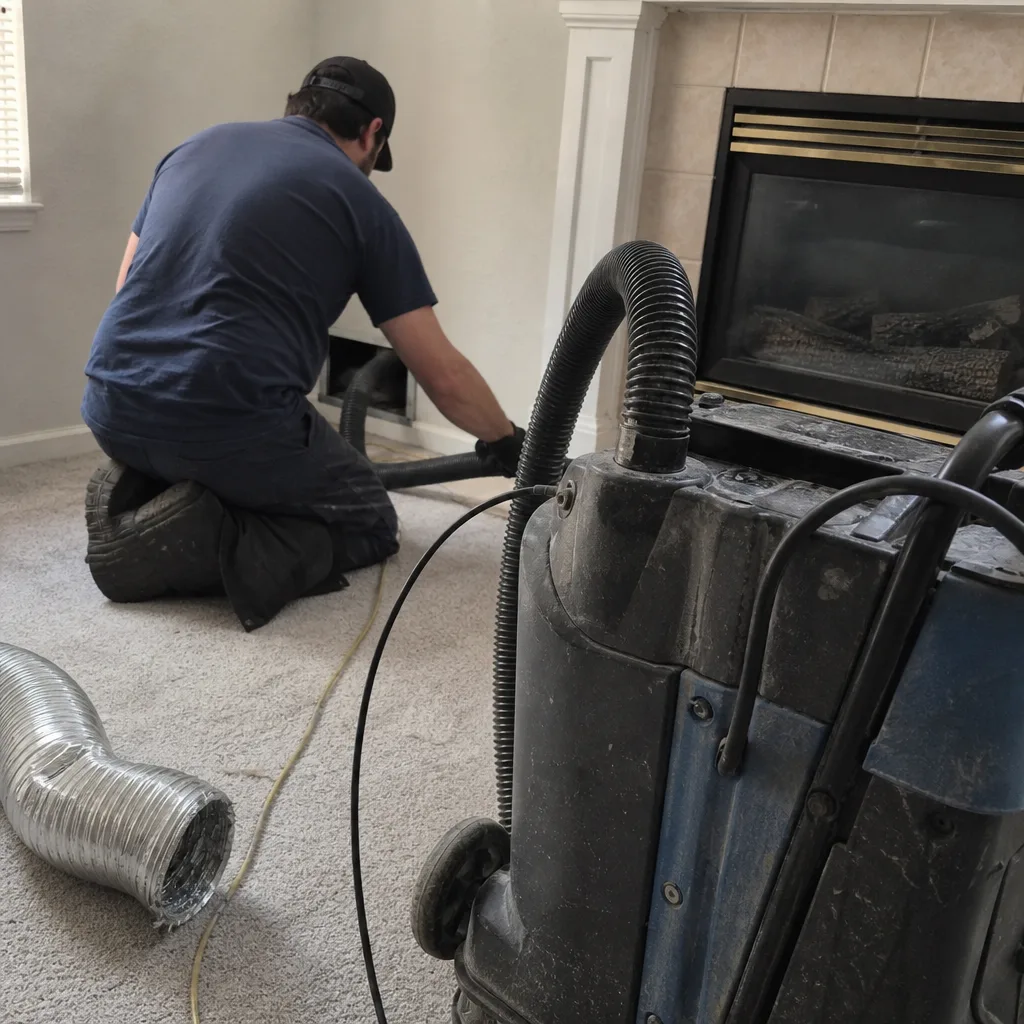 Before
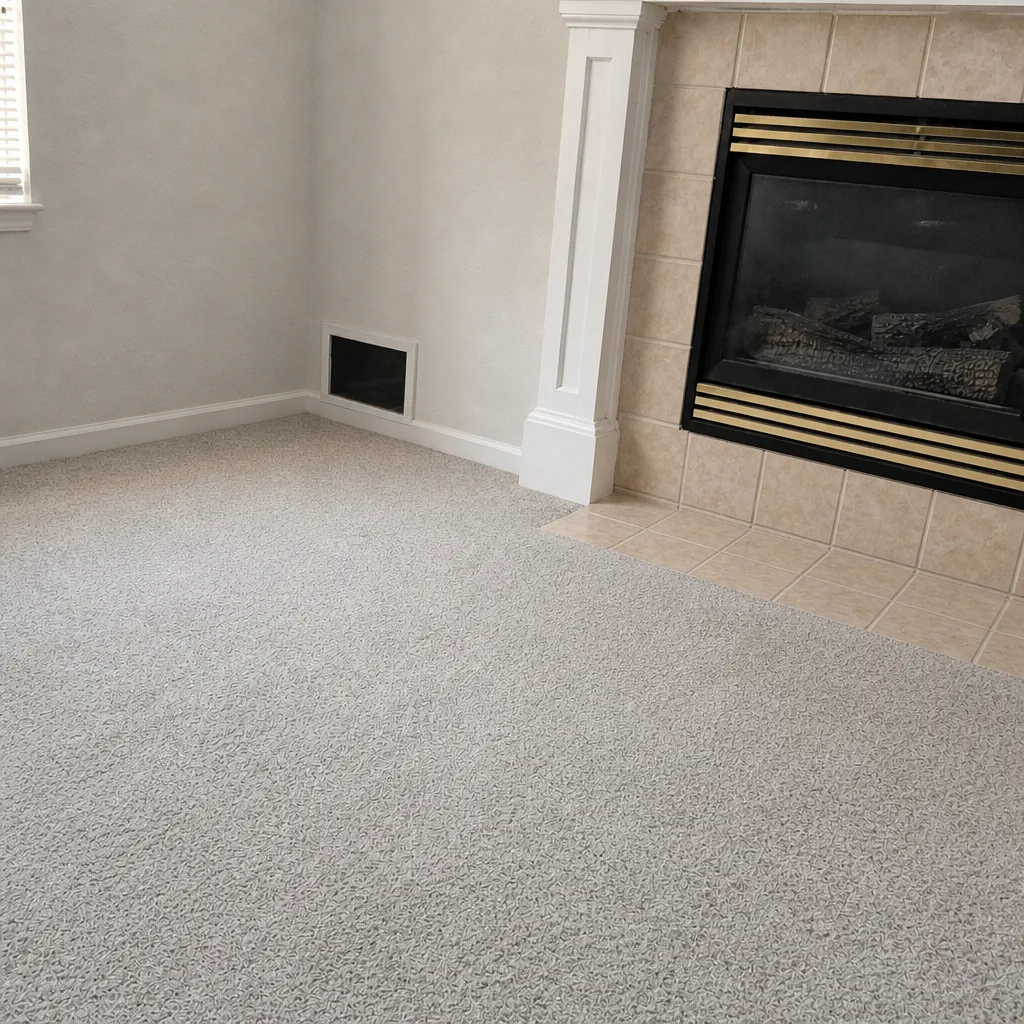 After
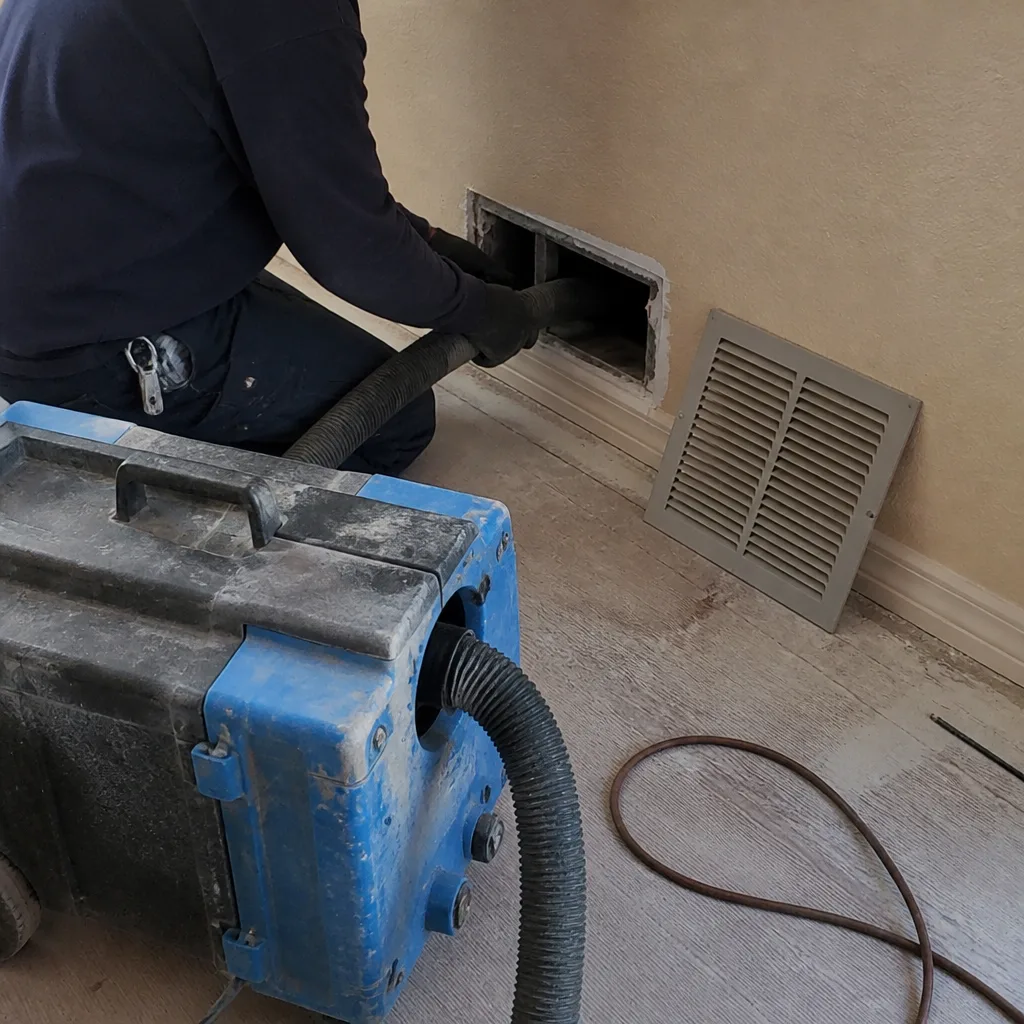 Before
 After
 Before
 After
When to Call a Professional
Some of the work here is a judgment call, and some isn’t. Call a professional when you see a visible dust layer in the return path, when a filter loads within weeks rather than months, when the blower compartment has visible lint or dust deposit, when a supply register shows a persistent dust puff at the start of a heat cycle, and when any duct seam shows a visible gap or loose tape. Call us if a heating or cooling failure shows up mid-season, since that’s a service call rather than a seasonal cleaning decision. The heat exchanger and flue area is a component to leave alone: a trained technician should look at it, not the homeowner.
Air Duct Cleaning Highlands Ranch offers free estimates in Highlands Ranch. Call (844) 443-4896. We answer 24/7, and dispatch runs Sunday through Friday, 7am to 7pm.
Frequently Asked Questions
Most Highlands Ranch homes do well with a full-system cleaning every twelve to twenty-four months, following the seasonal timing in this guide. Homes on a busier schedule land closer to the twelve-month end: those with pets, allergy or asthma concerns, recent renovations, or a heavy wildfire smoke season. Homes that have had a spring cleaning and a fall inspection, plus filters changed on schedule, can stretch to two years.
Late April to mid-May is the best single window, because it lands after the wind and pollen load and before summer cooling season. The second-best window is mid-September to October, right before the first sustained heat cycle. If neither works, the fall window is the more important one for safety, since it’s the point where the blower and heat exchanger area should be inspected. Call (844) 443-4896 for a free estimate at either window.
The price is set per job by a written estimate, so there’s no single number that fits every home. The factors that move the estimate are the number of systems, the size and layout of the duct runs, the amount of debris in the return path, and whether duct repair or sealing is needed alongside the cleaning. Dryer vent cleaning can be added to the same visit. Call (844) 443-4896 for a free estimate; the number you’re quoted in writing is the number you’ll pay.
It depends on how much smoke you took in and how long the system ran with the intake open. If your home went through a multi-day smoke event with windows closed and the system running, particulate will have collected in the return path. If the filter was replaced afterward and no visible dust is showing at the grilles, you can wait until the next scheduled cleaning. Call (844) 443-4896 if you’re not sure and want an inspection before deciding.
Not without checking the blower’s rated static pressure, because a filter the system isn’t designed for restricts airflow and can stress the blower and coil. The right approach is to match the filter housing and media to the equipment, which is where working with Honeywell and Aprilaire hardware makes a difference. Call (844) 443-4896 to talk through the options for your system.
Ask for before-and-after photographs of the duct runs being cleaned, and a written scope of what the visit covers: which ducts, which vents, whether the HVAC unit is opened and cleaned, and whether sealing is included. A contractor-grade cleaning with containment produces verifiable photos rather than an invoice. Call (844) 443-4896 and ask what our service record for the visit will include.
The Bottom Line
Seasonal timing beats an arbitrary cleaning schedule in Highlands Ranch. Target late April to mid-May for the main cleaning, after the wind and pollen load. Address filtration and any temporary sealing around the summer smoke season, with filter media matched to the blower. Do a fall inspection of the blower and heat exchanger area before the first heat cycle, and use that window for duct repair and sealing if a leak is found. Watch the winter recirculation signs and plan the next cleaning from evidence rather than a date on the calendar. A full-system approach, with proper containment and photographable results, is what actually holds air quality steady through all four seasons here.
Call (844) 443-4896 for a free estimate. We answer 24/7, with fast dispatch from 7am to 7pm, Sunday through Friday, closed Saturday.
Written by the team at Air Duct Cleaning Highlands Ranch.