
Last updated November 23, 2026
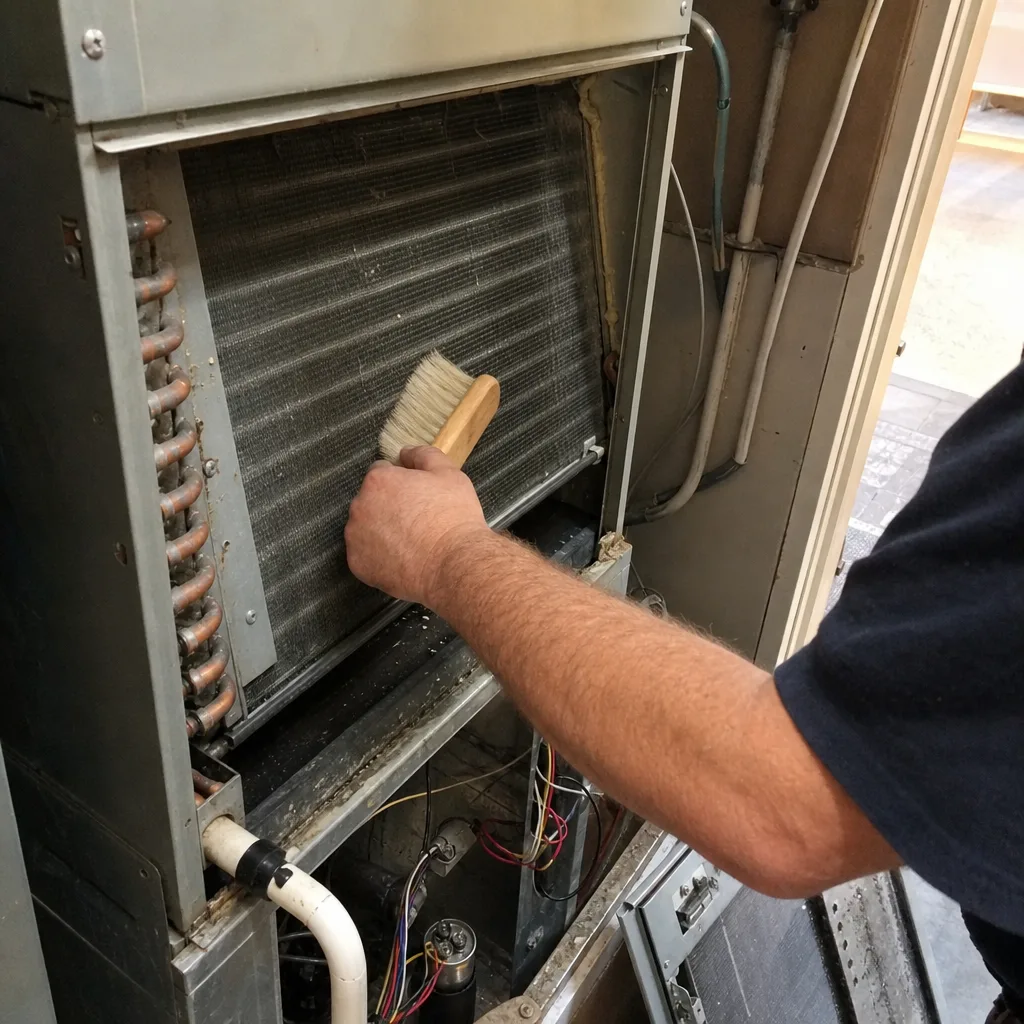
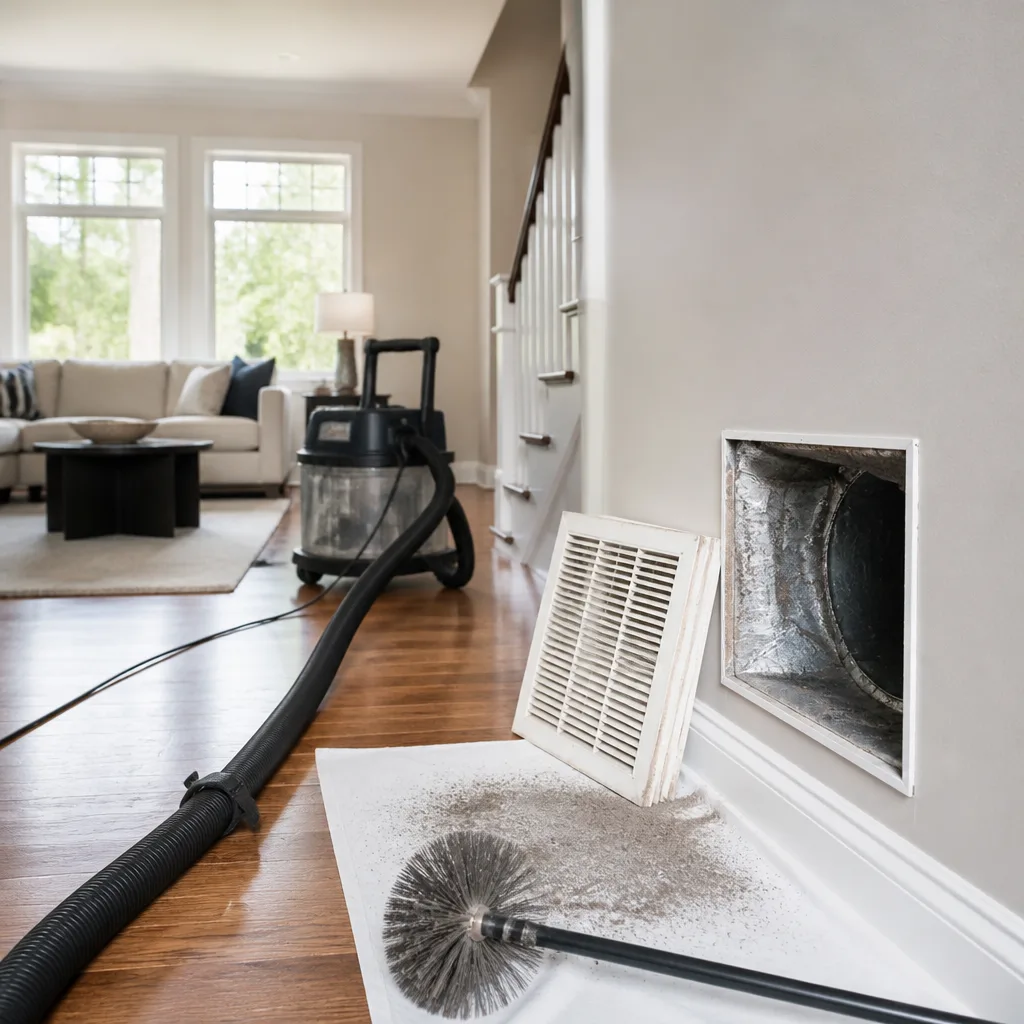 Whole-home duct cleaning
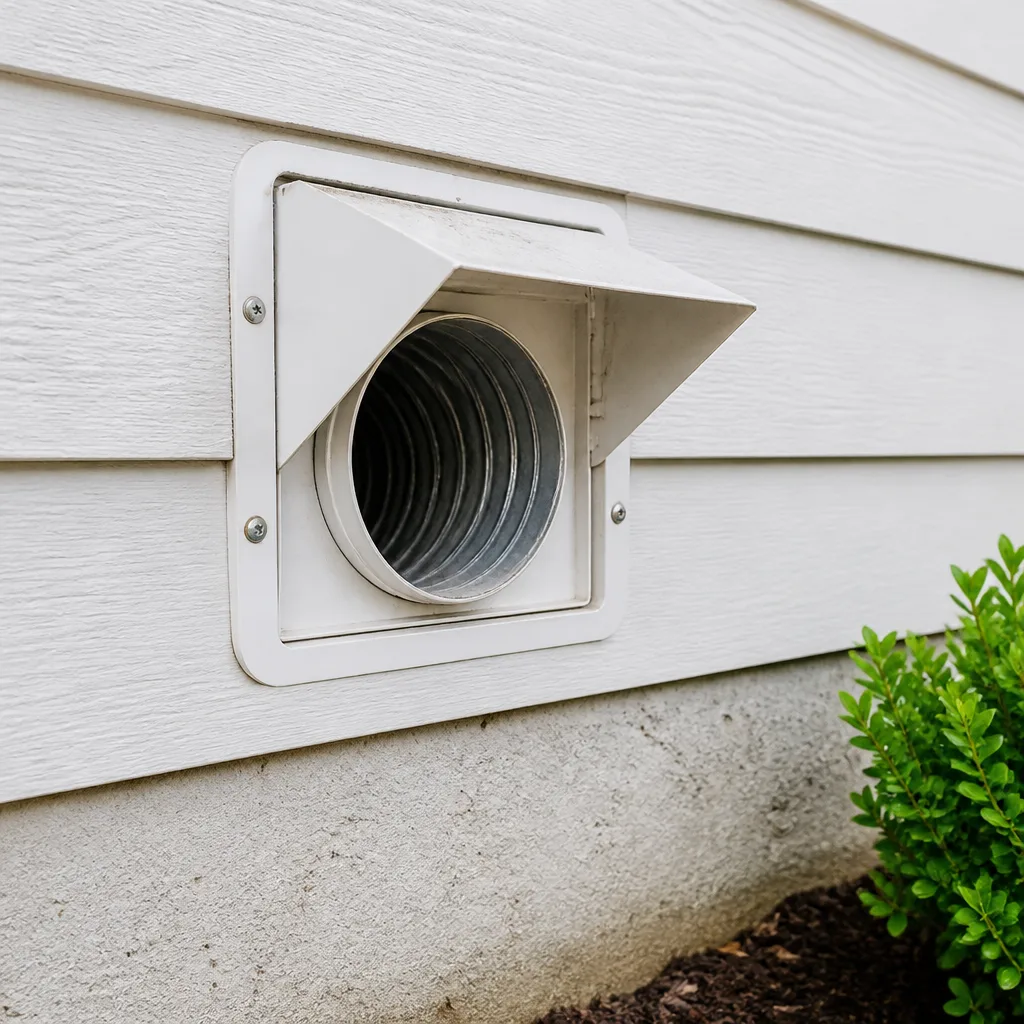 Dryer vent cleaning
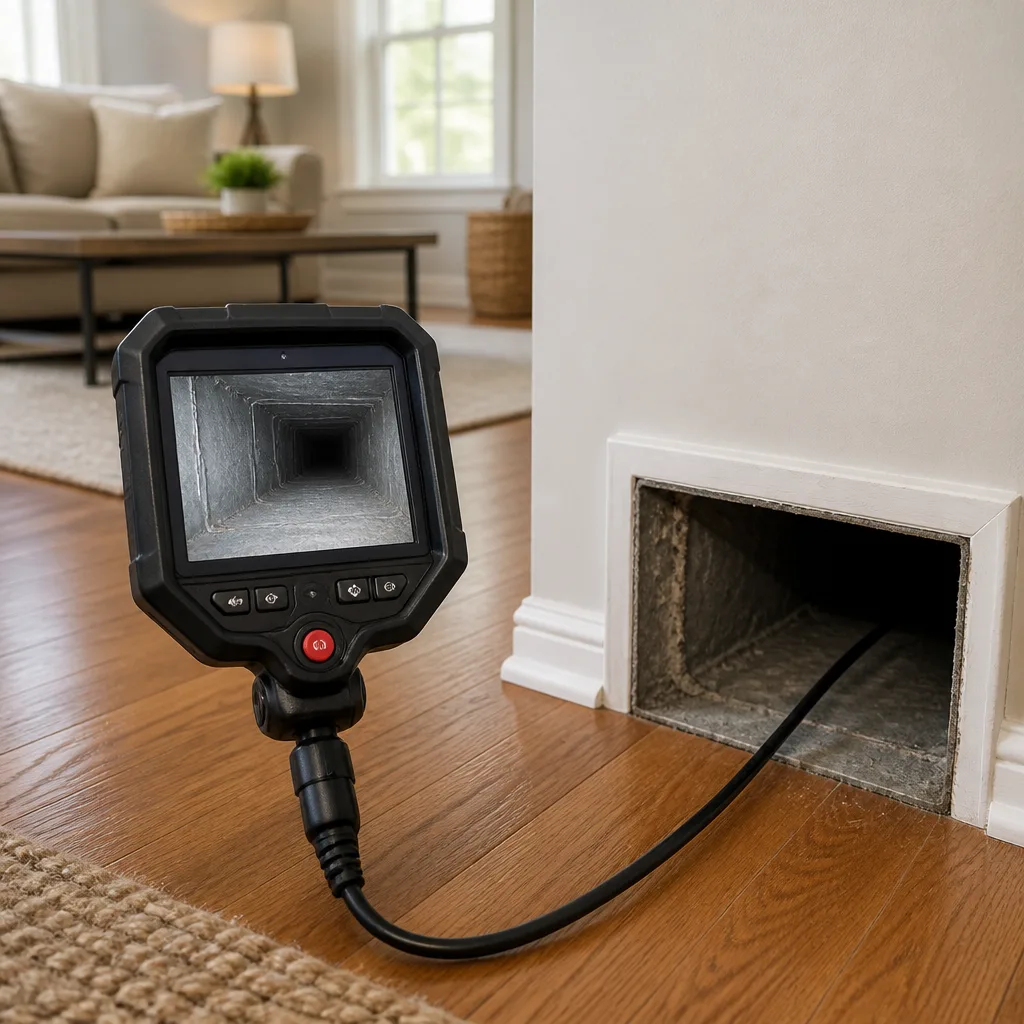 Camera inspection
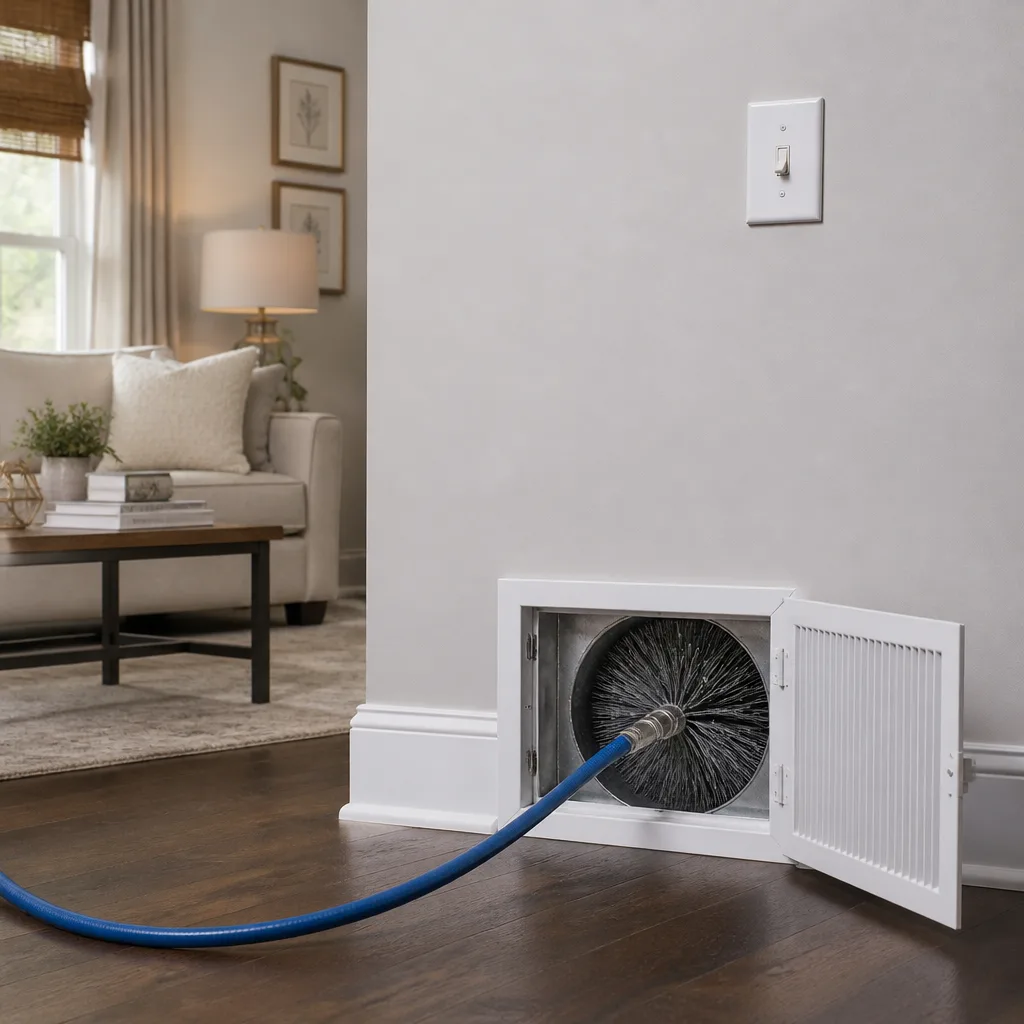 Sanitizing & deodorizing
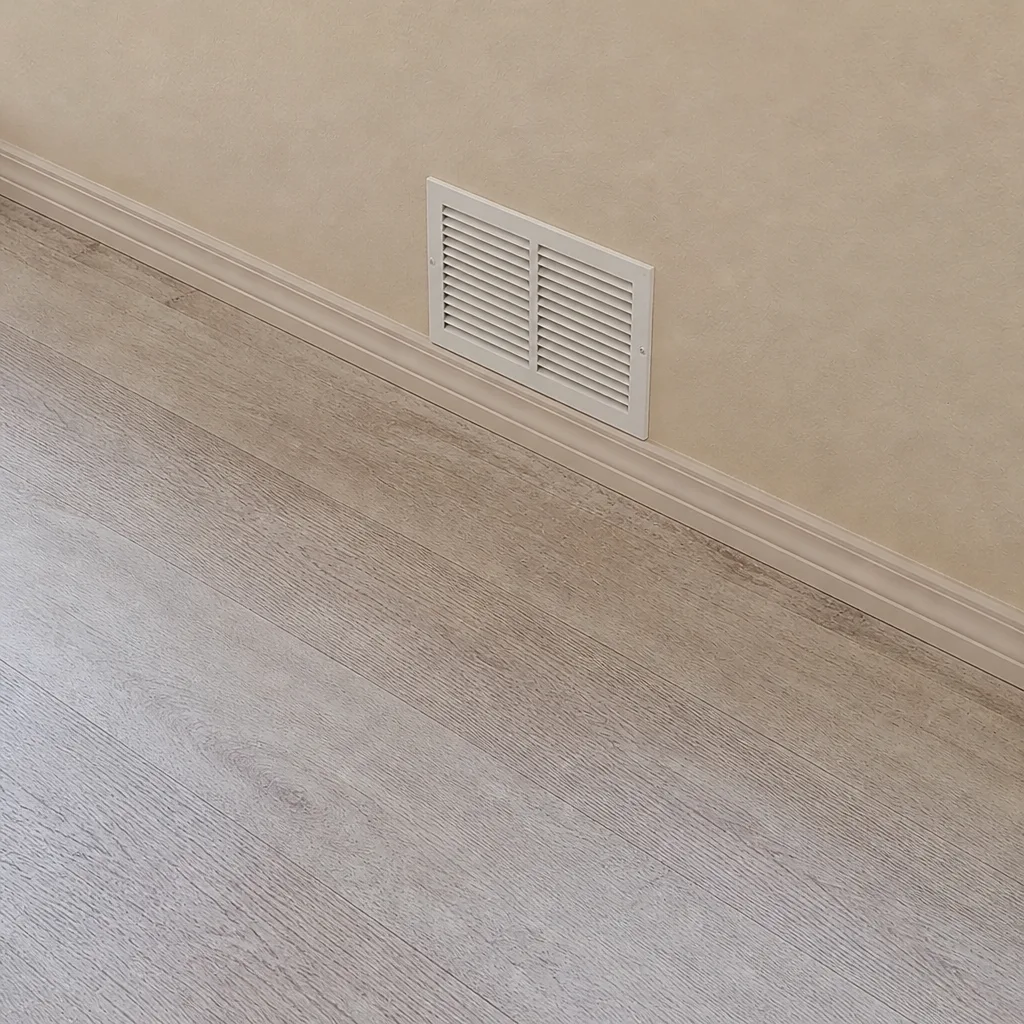
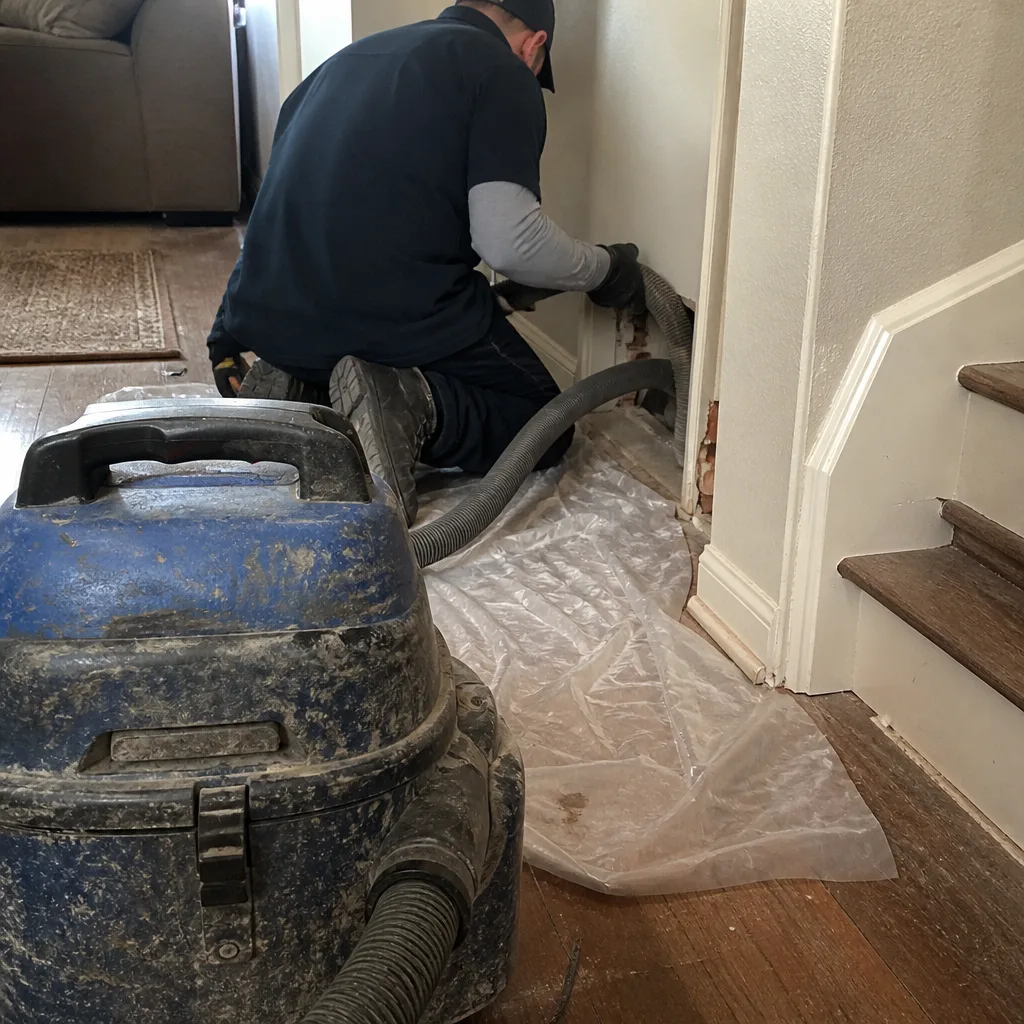
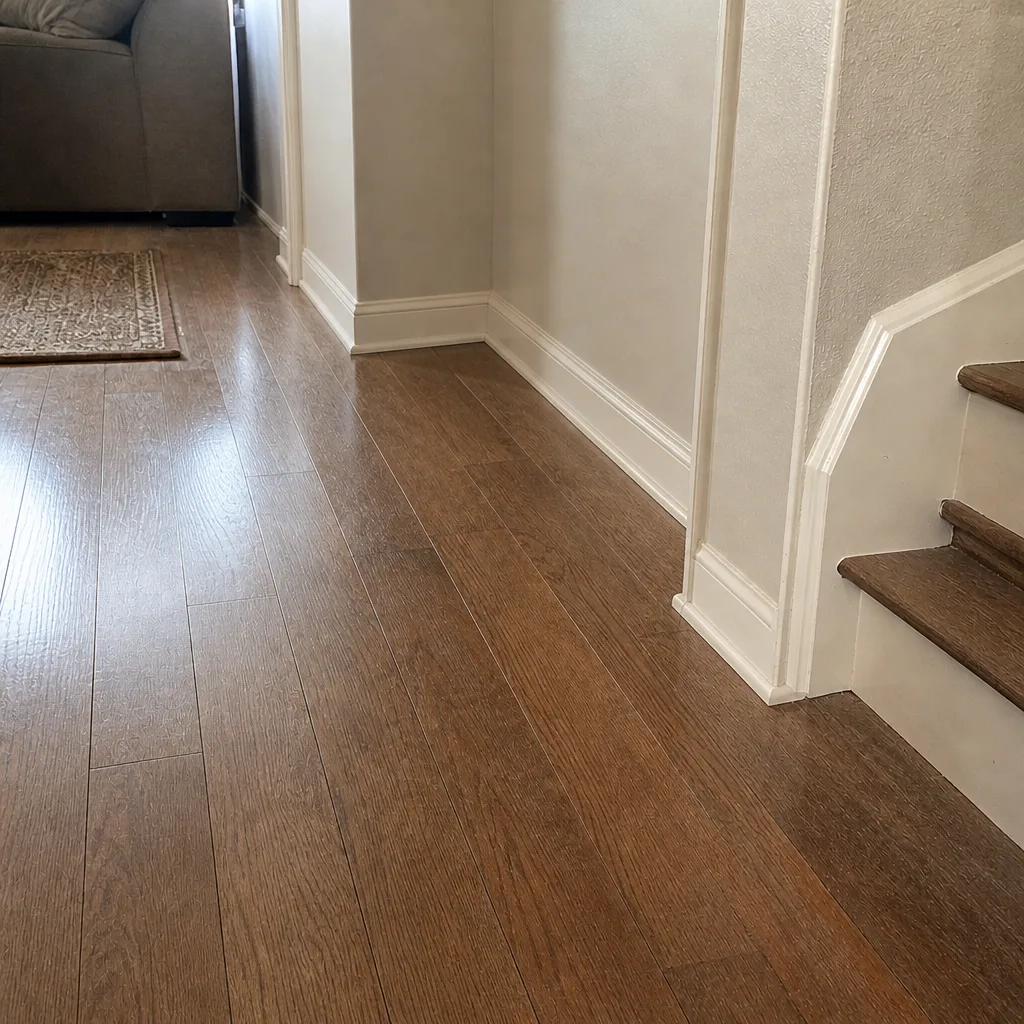
Whole-system duct and dryer vent check with before-and-after photos - you see exactly what came out of your vents
That "$99 whole-house special" is a bait ad - the real number appears once they are in your hallway, or the "clean" is a shop-vac at the register. We photograph the inside of your ducts before and after instead.
Air Duct Cleaning Warning Signs: A Highlands Ranch Homeowner’s Reference Guide
Most homeowners picture duct problems as dramatic: a bloom of dark mold on a register, a vent that blows nothing at all. We’ve learned to look elsewhere first. In Highlands Ranch, the signals that matter are usually quiet. A second-floor bedroom that runs three degrees warm. A utility bill that crept up without an obvious reason. A faint whistle at a return grille when the furnace kicks on. These are air-balance and pressure symptoms, and they’re far more common than catastrophic contamination. This guide walks through what each warning sign actually indicates, what it doesn’t, and how to check your own system before you call anyone.
Quick Answer
The most reliable air duct cleaning warning signs in Highlands Ranch are functional, not visual: uneven room temperatures, rising energy bills with no other explanation, short cycling, visible debris streaking on registers, and allergy symptoms that improve when you leave home. A single dusty register means little. Three or more of these together usually means the duct system needs inspection.
Styles & brands we work with
- Whole-home duct cleaning
- Dryer vent cleaning
- Camera inspection
- Sanitizing & deodorizing
Table of Contents
- Functional Warning Signs vs. Aesthetic Ones
- What the Debris Type Tells You
- Highlands Ranch Triggers: Construction Era and Open Space
- Renovation Without Sealed Ducts
- The Allergy Spike at Home: What It Really Implicates
- A Homeowner Self-Assessment You Can Actually Do
- Why Rooms Never Reach Set Temperature
- Common Mistakes to Avoid
- When to Call a Professional
Functional Warning Signs vs. Aesthetic Ones
Aesthetic signs are what you see. Functional signs are what the system does. Both matter, but they carry very different weight, and homeowners routinely confuse the two.
Aesthetic warning signs are cosmetic in nature. A light film of dust on a supply register, a slight darkening around a vent frame, a puff of dust when you change the filter. These tell you dust is moving through the system, which is normal to a degree. Every forced-air system moves dust. Aesthetic signs alone rarely justify a full cleaning, and a company that leads with them is selling you an easy story.
Functional warning signs are behavioral. The system is running, but not performing. These include:
- One or more rooms that stay two or more degrees off the thermostat setpoint while others are comfortable
- Short cycling: the furnace or AC runs in brief bursts and shuts off, then repeats
- Energy bills that climb gradually without a rate change or a weather explanation
- Weak airflow at registers farthest from the furnace or air handler
- A return grille that whistles or pulls hard enough to hold a tissue against it
- Noticeable stale or musty smell when the blower starts
Functional signs point to the airflow path, which is exactly what a duct system is. When a bedroom in a Highlands Ranch two-story home won’t heat, the instinct is to blame the furnace. In our experience, the furnace is often doing its job and the ducts are losing the air on the way up. Restricted or leaking ducts can lower delivered airflow well before a heating unit reaches its limit. Restriction and leakage are the two failure modes worth watching for, and they’re what air duct cleaning and sealing are designed to address.
What the Debris Type Tells You
The color and texture of what comes out of a duct tells a technician more than the quantity. This is the diagnostic step most people skip, and it’s where real information lives.
Fibrous, stringy lint or gray-brown fluff. This often suggests the internal duct liner is breaking down. Many duct systems have a fiberglass acoustic liner on the inside; over time, that material can deteriorate and shed fibers into the airstream. Cleaning alone doesn’t fix a failing liner. If the debris is consistently fibrous rather than dusty, a technician needs to inspect the duct interior for liner condition before cleaning.
Fine, uniform gray dust. This usually points to filter bypass: air is sneaking around the filter frame instead of through the filter. A filter that’s the wrong size, warped, or loosely seated lets unfiltered air into the return, and that dust lands in the ducts. The fix may be a properly fitted filter and a sealed frame rather than cleaning alone.
Dark staining around vent edges, or a soot-like smudge. This is more often a pressure differential than a dirt problem. Air is leaking at the vent boot or the drywall gap, and dust accumulates where that air moves. Staining that returns after cleaning is a sign of an unsealed joint, which is the exact problem duct sealing is built for.
Construction dust, drywall grit, or wood shavings. After a renovation, this kind of debris accumulates in the ducts nearest the work area. It’s one of the clearest indications a cleaning is warranted, because drywall dust settles deep and can be re-entrained into the air for a long time.
In our experience, a technician who can read the debris and explain what it means is doing real diagnostic work. Equipment matters here. Purpose-built systems with HEPA-grade filtration, like the Rotobrush and Nikro equipment we use, hold what they collect rather than pushing it back into the room. Containment and air filtration from Abatement Technologies are part of the process for the same reason.
Highlands Ranch Triggers: Construction Era and Open Space
Highlands Ranch has a set of duct conditions that come up again and again, and most of them trace to the housing stock and the geography.
The 1990s and 2000s build-out. A large share of Highlands Ranch homes were built during the 1990s and 2000s. That means a lot of original ductwork is now several decades old. Original metal and flex duct from that era has often developed gaps at joints and boots, and flex runs can sag or kink over time. Homes with original ductwork are the most common candidates for both cleaning and sealing.
Open space and dust infiltration. Highlands Ranch has extensive open space and trail systems. Homes backing onto or near open space pull in more airborne dust, especially during dry periods and spring winds. That extra load enters the return system and settles in ducts faster than in a sheltered neighborhood.
Renovation without sealing. A Highlands Ranch home that underwent a remodel during its life may have had the ducts exposed, rerouted, or left open during construction. If the ducts weren’t sealed after the work, drywall dust and construction debris are still circulating years later. This is one of the most underreported triggers, because the homeowner often doesn’t connect a renovation done years earlier with current airflow symptoms.
Altitude and dry air. Highlands Ranch sits at an elevation where air density affects HVAC performance, and dry, staticky conditions mean dust clings to surfaces and gets pulled into returns more readily. It’s a small factor, but it adds up with the others.
The pattern here is that Highlands Ranch homes often accumulate multiple small duct issues rather than one dramatic one. That matches what we see across the area, and it’s why a whole-system inspection beats a quick pass on one vent.
Renovation Without Sealed Ducts
A remodel is one of the most common triggers for duct contamination in Highlands Ranch, and the signals usually appear gradually rather than all at once. Here’s how a typical post-renovation duct problem shows up, and what to watch for.
- Drywall dust reappears after cleaning. If your registers were cleaned during the remodel but dust keeps coming back, construction debris is likely still in the main trunk lines.
- Airflow drops in rooms near the construction. Rerouted or newly extended flex runs are prone to kinks and loose connections that reduce flow.
- A musty or chalky smell when the system runs. Drywall dust and joint compound residue leave a distinct odor that a filter won’t catch.
- Filter clogs fast. A filter that loads within a few weeks points to a debris source upstream, often construction dust that got into the return.
- Static shocking worse than usual. Dry conditions plus dust in the air amplify static, which some homeowners notice first.
If you had a renovation within the last several years and you’re seeing two or more of these, it’s worth an inspection. The fix usually involves cleaning the affected runs and then sealing the joints, not just another filter change. That’s part of why we handle duct repair and sealing alongside cleaning: identified problems get resolved in one pass instead of leaving you to call a second contractor.
The Allergy Spike at Home: What It Really Implicates
The “my allergies are worse at home” warning sign deserves more nuance than it usually gets. It’s a real signal, but it doesn’t automatically mean your ducts are dirty.
When allergy symptoms spike indoors, several things could be at play:
- Particulate load in the ducts. Dust, pollen, and dander that settled in the system get stirred up and circulated. This is the duct-cleaner’s favorite explanation, and sometimes it’s right.
- Filtration weakness. An under-performing filter or filter bypass lets fine particles keep circulating. A higher-MERV filter or a properly sealed frame can matter more than cleaning.
- Humidity and moisture. High indoor humidity encourages biological growth, which can be a real allergen source independent of duct dirt.
- Outside air infiltration. A leaking return or open space near a high-traffic door lets outside pollen in.
So an allergy spike is a prompt for a proper set of diagnostics, not a single answer. In our experience, the right order is: check the filter and frame seal, look for moisture or humidity issues, then inspect the ducts. If the ducts are the issue, cleaning alongside a filtration upgrade (we work with Honeywell and Aprilaire products for filtration and purification) addresses both the source and the prevention. Doing one without the other often means the problem returns.
It’s also worth being honest that duct cleaning is not a medical treatment. It reduces airborne particulate load, and many homeowners notice a difference, but a technician should frame it as improving the air system, not curing symptoms.
A Homeowner Self-Assessment You Can Actually Do
Before you call anyone, you can gather useful information about your own system. This takes about fifteen minutes and produces a record a technician can work from directly.
- Walk every room and note temperature. Use a simple thermometer, not your hand. Write down each room’s temperature with the thermostat setpoint and whether the system is heating or cooling. A two-degree spread from farthest room to nearest is your baseline.
- Photograph every register. Take a close, well-lit photo of each supply and return. Include the surrounding drywall so streaks or staining are visible. This is where debris type and staining become evidence.
- Photograph the filter and its frame. Note the MERV rating printed on the filter, whether it sits flush, and whether there’s a visible gap around the edges. This photograph alone tells a technician whether bypass is likely.
- Listen at the return. Note any whistling, hard pull, or rattle when the blower starts. Record a short audio clip if you can.
- Check your bill history. Pull the last several months. Note any rise that isn’t explained by weather or a rate change.
- Write a short timeline. Note when the home was built, when any renovation happened, and when you last had duct service. That context is often the missing piece.
When you talk to a technician, hand over the photos and the timeline rather than describing symptoms from memory. The specific details (which rooms, which registers, what the filter looks like) let them decide whether you need cleaning, sealing, or just a filter change. This is the difference between a useful inspection and a generic sales pitch.
Why Rooms Never Reach Set Temperature
This is the single most common complaint we hear in Highlands Ranch two-story homes, and it’s almost always an airflow problem dressed up as a furnace problem.
Here’s the mechanism. A forced-air system delivers a fixed amount of air. If the duct runs serving the second floor are undersized, kinked, restricted, or leaking, that floor gets less than its share. The furnace is working correctly; the air simply isn’t arriving. A technician checks the equipment, finds it operating in spec, and reports “your system is fine” – which is technically true and completely unhelpful. The real question is where the air is going.
Common causes in Highlands Ranch homes:
- Leaky joints and boots on the long second-floor runs, losing air into wall cavities and attics
- Crushed or kinked flex duct from the original 1990s or 2000s install
- A return path that’s restricted, so the system can’t pull enough air to push it up
- Debris buildup in the main trunk reducing flow at the source
The fix usually combines cleaning with sealing and, where needed, rerouting or repairing a run. Cleaner ducts only matter if the system isn’t leaking, which is why we treat cleaning and sealing as one job rather than two. If your home has the “fine system, hot upstairs” pattern, an inspection that measures airflow at the registers is what you want, not another equipment check.
Common Mistakes to Avoid
- Judging the ducts by one dusty register. A single register says almost nothing about the whole system. You need to see the pattern across rooms and across supply and return before drawing a conclusion.
- Blaming the furnace first. In Highlands Ranch two-story homes, the temperature imbalance is usually in the ducts. Have airflow checked before you authorize a furnace repair.
- Ignoring filter bypass. Many homes have a filter that doesn’t seal properly, which quietly sends unfiltered air into the system. A five-minute frame check can save you a cleaning.
- Cleaning without sealing. If leaks remain, cleaned ducts get dirtier again faster, and the cleaning didn’t fix the efficiency problem. Clean and seal together or the work is incomplete.
- Skipping the dryer vent. Dryer vents are a fire-safety concern and a separate system from your HVAC ducts. Many homeowners clean one and forget the other; dryer vent cleaning is worth scheduling on its own.
- Using a shop-vac approach. Consumer vacuums stir up dust and can’t reach the trunk lines. Purpose-built equipment with containment is the standard for a reason.
- Waiting for mold before acting. Visible mold is a late-stage sign. By the time you see it, the system has likely been compromised for a while.
See the difference
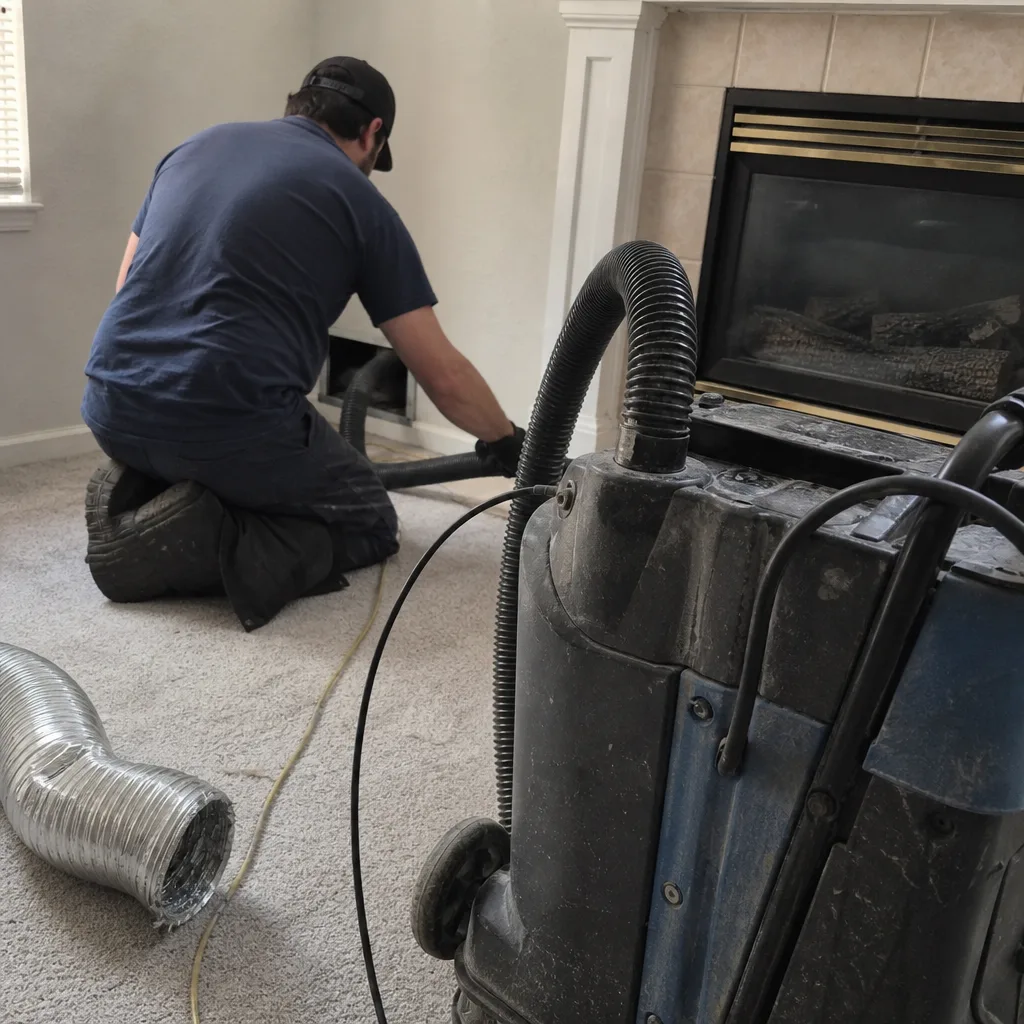 Before
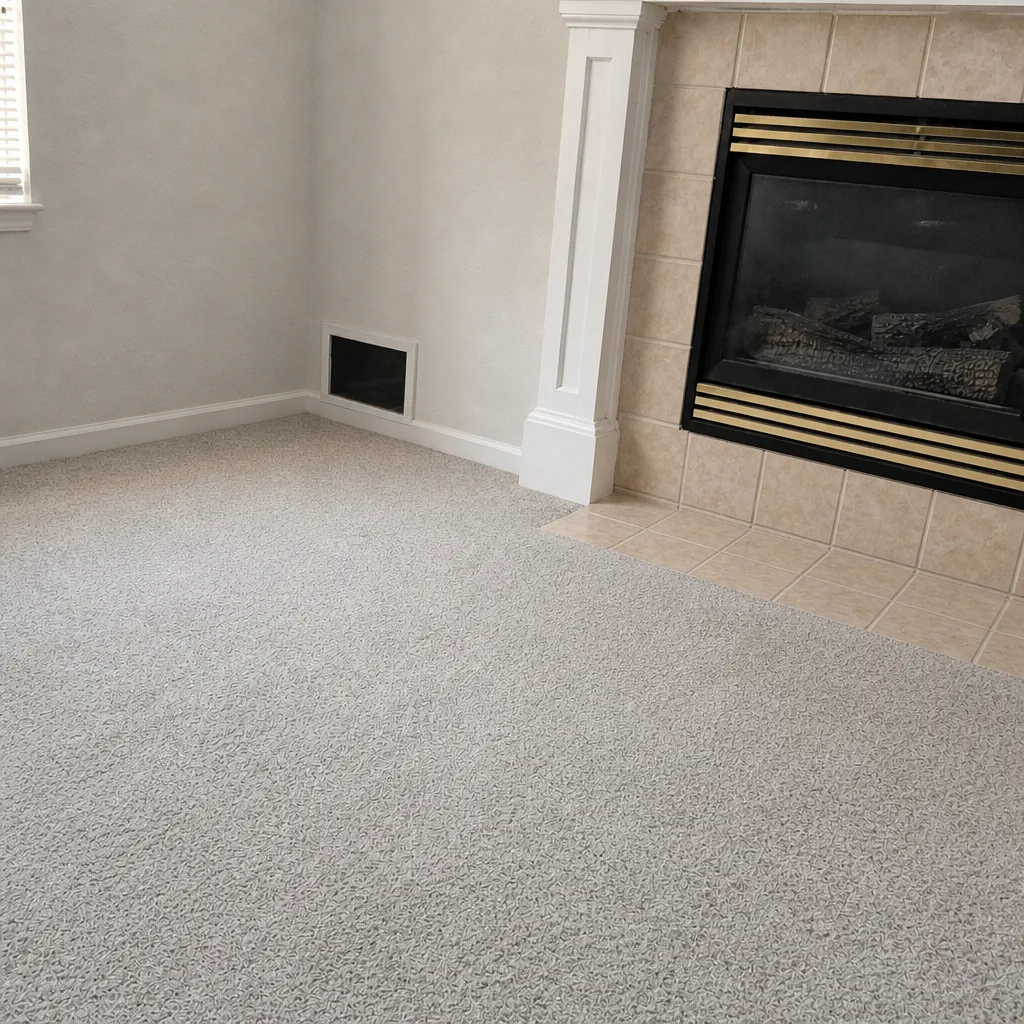 After
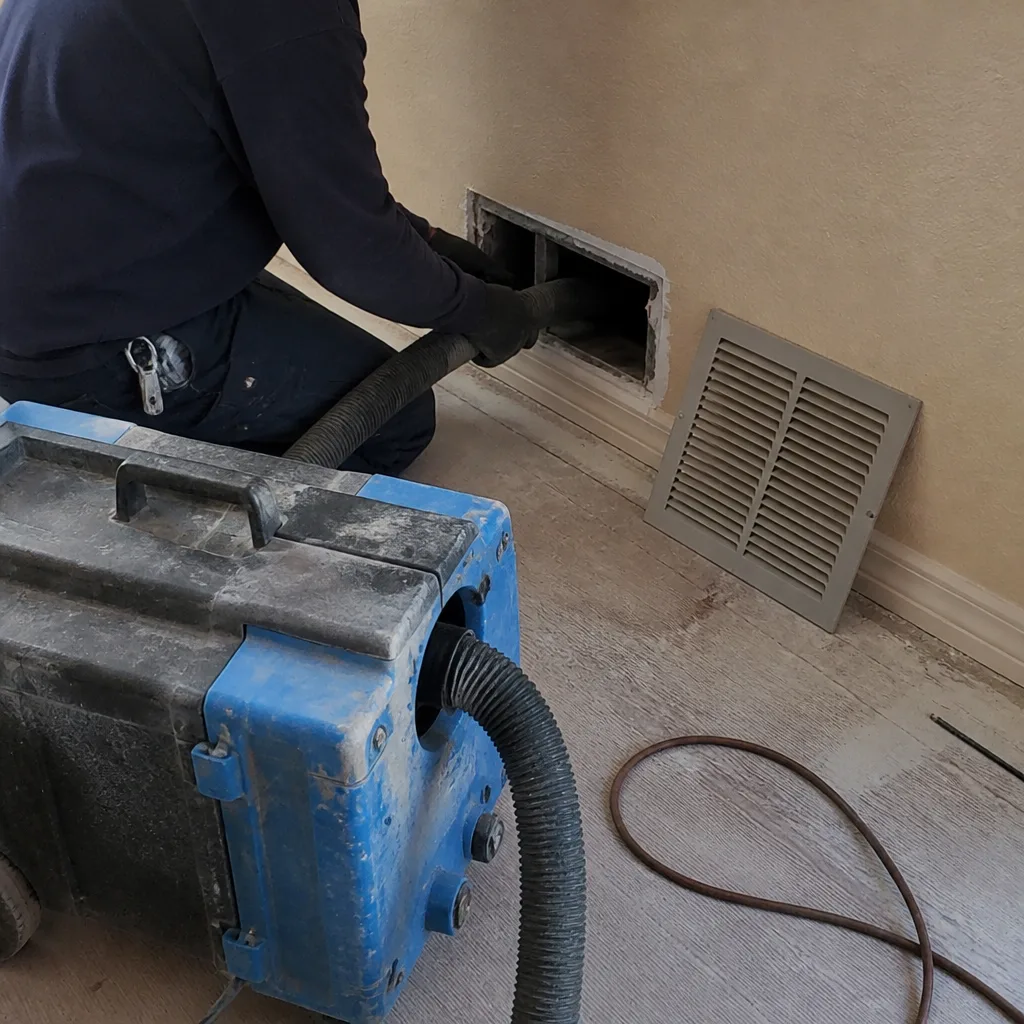 Before
 After
 Before
 After
When to Call a Professional
Some signs you can check yourself; others warrant a professional inspection. Call if you’re seeing three or more functional warning signs at once, if the debris from a register is fibrous or dark, if you’ve had a renovation without duct sealing, or if your energy bills have risen without explanation. A leaky or restricted duct system can also stress your HVAC equipment over time, so a cleaning and inspection to catch it early is often cheaper than the alternative. Air Duct Cleaning Highlands Ranch offers free estimates in Highlands Ranch, and our technicians have up to 15 years of experience with full-system HVAC cleaning. Call (844) 443-4896. We answer 24/7. Fast dispatch from 7am to 7pm, Sunday through Friday.
Frequently Asked Questions
Look at functional signs first: uneven room temperatures, rising bills, short cycling, weak airflow at far registers, and repeated filter clogging. If three or more appear together, or if you’ve had a renovation without sealed ducts, it’s worth an inspection. Call (844) 443-4896 for a free estimate – estimates are free.
Pricing is set per job by a written estimate after we inspect the system, so there’s one flat price for the whole system agreed before work starts. We don’t quote per-vent prices or teaser coupons. Call (844) 443-4896 for an exact quote – estimates are free.
A very low quoted price often reflects a quick surface pass without containment, sealing, or a proper inspection – which can stir dust back into your home. A full-system job with real equipment costs more up front and does the actual work. Call (844) 443-4896 to talk through what a full-system estimate covers.
Ask for before-and-after photos of your own ducts and returns, taken during the job. We provide them as standard, along with a written description of what was cleaned and sealed. Ask any company you’re considering to do the same. Call (844) 443-4896 for details.
Not necessarily. Allergy symptoms indoors can come from particulate load in the ducts, weak filtration, high humidity, or outside air infiltration. The right approach checks the filter and frame first, then moisture, then the ducts. Call (844) 443-4896 to talk through which diagnostic your home needs.
Many homes go several years between cleanings, and some never need it on a schedule at all; it depends on your home’s history, filtration, and environment. Highlands Ranch homes with original 1990s or 2000s ductwork, recent renovations, or open-space dust exposure tend to need attention sooner. Call (844) 443-4896 for a free estimate.
Often, yes – because the problem is usually airflow, not the furnace. Cleaning removes restrictions, but the lasting fix usually includes sealing leaks on the long runs. A technician can measure register airflow to confirm the cause before recommending anything. Call (844) 443-4896 for an inspection.
The Bottom Line
The warning signs that matter most in Highlands Ranch are the functional ones: uneven temperatures, rising bills, short cycling, and weak airflow. Aesthetic signs like a dusty register are only useful when they appear across the whole system. Read your debris type carefully, since fibrous lint and filter bypass tell very different stories, and treat a recent renovation or open-space exposure as a reason to look sooner. When several signs line up, get an inspection that measures airflow and reads the evidence, not a quick coupon pass. A full-system approach – cleaning, sealing, filtration – is what actually solves the problem. Air Duct Cleaning Highlands Ranch connects you with independent vetted local professionals who use Rotobrush, Nikro, Honeywell, and Abatement Technologies equipment to handle the full airflow picture. The local pro is licensed and insured as their state requires, and you’ll get one flat price per system agreed before work starts. Call (844) 443-4896 for a free estimate. We answer 24/7. Fast dispatch from 7am to 7pm, Sunday through Friday, and we’re closed Saturday.
Written by the team at Air Duct Cleaning Highlands Ranch.